Deep Ecology
Deep ecology addresses overpopulation and human consumption by advocating for a fundamental shift away from anthropocentrism, which views nature solely as a…
How does deep ecology address issues of overpopulation and human consumption?
Deep ecology addresses overpopulation and human consumption by advocating for a fundamental shift away from anthropocentrism, which views nature solely as a resource for human use. Instead, it promotes an ecocentric worldview that recognizes the inherent value of all life.1
Regarding these issues, the movement’s platform posits:
- Overpopulation: Deep ecologists argue that the flourishing of both human and nonhuman life requires a substantial decrease in the human population. Some extreme interpretations of this position have faced criticism for being antihumanist, as they have been associated with opposition to famine relief and immigration.12
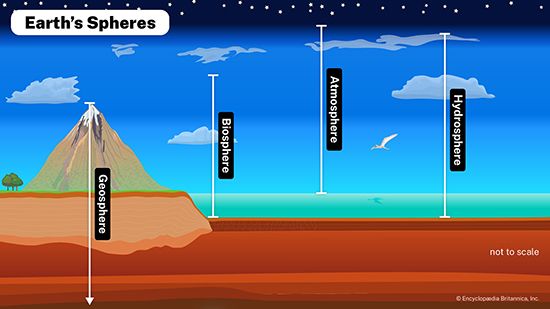
- Consumption: The movement advocates for a transition from prioritizing an ever-increasing standard of living to appreciating the quality of life. It emphasizes that current human interference with the nonhuman world is excessive and that economic, technological, and ideological structures must be restructured to respect the biosphere.1
Deep ecology maintains that humans have no right to reduce the richness and diversity of life except to satisfy vital needs, urging a move toward biocentric egalitarianism.1
What critiques or controversies surround the deep ecology movement?
The deep ecology movement faces several significant critiques and controversies regarding its philosophical foundations and social implications.
Philosophical and Spiritual Critiques
Critics often argue that deep ecology relies too heavily on mysticism, functioning more as a religion than a rational framework for addressing environmental issues. This perception was reinforced by the 1991 establishment of the Church of Deep Ecology, which led some observers to conclude that the movement had shifted toward spiritualism at the expense of practical problem-solving.2
Social and Political Controversies
The movement has also drawn sharp criticism from other environmental groups, including ecofeminists and social ecologists:
- Neglect of Social Justice: Critics argue that deep ecology fails to adequately address critical issues such as gender, race, and class, which they believe are inextricably linked to environmental degradation.2
- Antihumanism: Some extreme interpretations of deep ecology have been condemned as antihumanist. These controversies stem from positions that have been associated with opposition to immigration and famine relief, as well as the perceived acceptance of large-scale loss of life during pandemics.3
How does deep ecology view the relationship between humans and nature?
Deep ecology advocates for a radical shift in the human-nature relationship, moving away from anthropocentrism—which views nature solely as a resource for human utility—toward an ecocentric or biocentric worldview. This philosophy posits that humans are no more important than other species and that all natural entities possess inherent value.12
Central to this perspective is the concept of the “ecological self,” which challenges the traditional view of the individual as a solitary, independent ego. Instead, deep ecology suggests that humans should recognize themselves as deeply connected to and part of nature. By realizing this “ecological self,” individuals can practice “biocentric egalitarianism,” where every natural entity is considered inherently equal.1
This movement argues that current human interference with the biosphere is excessive and that our economic, technological, and ideological structures must be restructured to prioritize the flourishing of all life over an ever-increasing standard of living.1
Who are some of the key thinkers and founders associated with deep ecology?
The deep ecology movement was shaped by several key thinkers who sought to move environmental philosophy beyond simple conservation toward a more radical, biocentric worldview.
Primary Founders and Developers
- Arne Naess: A Norwegian philosopher who coined the term “deep ecology” in 1972. He is credited with developing the movement’s core concepts, including the “ecological self” and the idea of “self-realization” as a means to overcome anthropocentrism.23
- George Sessions: An American philosopher who collaborated extensively with Naess. Together, they developed the influential eight-point platform in 1984, which serves as a foundational guide for the movement’s principles.23
- Bill Devall: An American sociologist recognized as a main originator of the movement alongside Naess and Sessions, contributing to the formalization of its doctrine.3
Influential Contributors
- James Lovelock: A British environmentalist whose work on the Gaia hypothesis significantly influenced the movement. His postulation that the planet functions as a single, self-regulating entity provided a scientific and philosophical basis for the biocentric principle of interconnectedness.3
While these figures provided the structural and philosophical framework for deep ecology, the movement has also been shaped by a diverse array of voices, including poets and activists like Gary Snyder, who integrated ecological activism with communal living and spiritual traditions.4
Sources
- deep ecology — Merriam-Webster
- deep ecology — Encyclopædia Britannica
- environmentalism - Social ecology and deep ecology — Encyclopædia Britannica
- Gary Snyder — Encyclopædia Britannica
Published on · 3 min read