Poaching
Poaching is defined in law as the illegal shooting, trapping, or taking of game, fish, or plants from private property or from protected areas where such…
What is poaching, and why is it considered a crime?
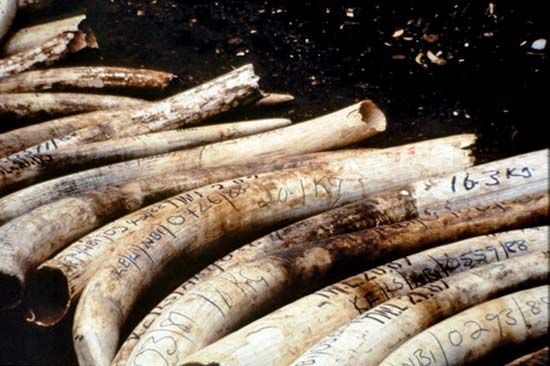
Poaching is defined in law as the illegal shooting, trapping, or taking of game, fish, or plants from private property or from protected areas where such practices are forbidden.1
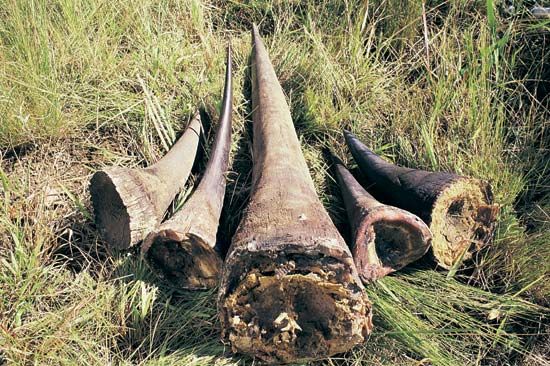
Poaching is considered a serious crime because it poses an existential threat to global biodiversity. While historically linked to subsistence, modern poaching is primarily driven by sport or commercial profit within black markets. This unregulated exploitation frequently pushes vulnerable species toward extinction, disrupting ecosystems and destroying natural habitats.1
Ethically, the preservation of wildlife is a fundamental responsibility, as the destruction of species for profit undermines the health of our planet and the rights of future generations to inherit a diverse natural world. To combat this, international agreements like the Convention on International Trade in Endangered Species (CITES) work to regulate trade and prevent the overexploitation of protected species.12
How does poaching impact ecosystems and biodiversity?
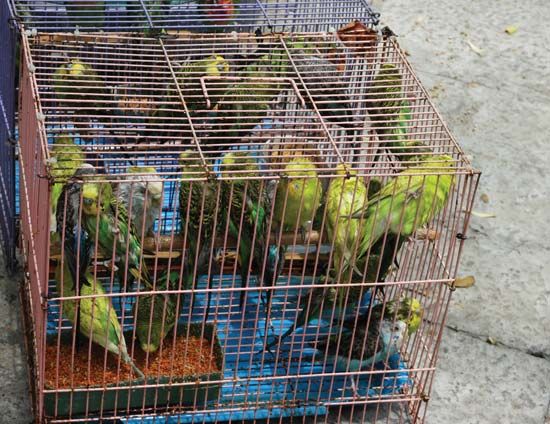
Poaching acts as a significant driver of biodiversity loss by depleting wild populations, often to the point of extinction. Its impact on ecosystems is profound and multifaceted:1
- Trophic Cascades: Poaching often targets top predators or keystone species. Their removal triggers a trophic cascade, an ecological phenomenon where the loss of a predator causes reciprocal, often destructive changes throughout the food chain. For instance, the illegal hunting of sea otters historically allowed sea urchin populations to explode, which subsequently decimated kelp forests—a critical habitat for numerous marine species.34
- Mesopredator Release: The removal of apex predators can lead to “mesopredator release,” where medium-sized predators (such as coyotes or baboons) increase in number and exert excessive pressure on their own prey, further destabilizing the ecosystem.3
- Habitat Degradation: Poaching is not limited to animals; the illegal logging of valuable trees like rosewood or mahogany destroys the structural integrity of forests, eliminating habitats for the animals that depend on them.1
- Loss of Ecosystem Services: By disrupting natural processes, poaching diminishes essential ecosystem services, such as the maintenance of air and water quality, nutrient cycling, and carbon sequestration.34
What international laws and agreements exist to combat poaching?
To combat the illegal trade and poaching of wildlife, several international agreements have been established to regulate the movement of species across borders:
- Convention on International Trade in Endangered Species (CITES): Adopted in 1973, this legally binding agreement regulates the international trade of over 35,000 plant and animal species to ensure their survival. CITES categorizes species into three appendices based on their conservation status:
- Appendix I: Prohibits commercial trade for species threatened with extinction, allowing movement only for specific scientific or educational purposes.61
- Appendix II: Includes species that are not currently threatened with extinction but require strict trade regulation to prevent future decline.61
- Appendix III: Protects species that are regulated within at least one country that has requested assistance from other CITES members to control international trade.61
- Convention on Biological Diversity: Opened for signature in 1992, this treaty promotes the conservation of biodiversity and the sustainable use of genetic resources. It encourages member nations to enact domestic legislation to protect endangered species and preserve sensitive ecosystems.7
What is the CITES agreement and how does it protect endangered species?
The Convention on International Trade in Endangered Species (CITES) is a legally binding international agreement adopted in 1973 to ensure that global commercial trade does not threaten the survival of wild animal and plant species.62
CITES protects species by regulating their movement across borders and restricting trade in products derived from them, such as food, medicine, and souvenirs. The agreement classifies over 35,000 species into three appendices based on their conservation status:6
- Appendix I: Lists endangered species at risk of extinction. Commercial trade is strictly prohibited, with rare exceptions for scientific or educational purposes.62
- Appendix II: Includes species not currently threatened with extinction but that require regulated trade via permits to prevent future population decline.62
- Appendix III: Protects species that are regulated within at least one member country that has requested international assistance to control trade.62
Member nations are obligated to enact domestic legislation to implement these protections.6
We could dive deeper into the specific enforcement challenges faced by member nations under this agreement.
Sources
- poaching — Encyclopædia Britannica
- endangered species - CITES — Encyclopædia Britannica
- trophic cascade — Encyclopædia Britannica
- overharvesting — Encyclopædia Britannica
- endangered species - Balancing human activities with conservation — Encyclopædia Britannica
- Convention on International Trade in Endangered Species — Encyclopædia Britannica
- Convention on Biological Diversity — Encyclopædia Britannica
Published on · 3 min read