Demographics of the United States
Demographics refer to the statistical characteristics of a large population observed over a specific time interval. The term is derived from the Greek words…
What does ‘demographics’ mean?
Demographics refer to the statistical characteristics of a large population observed over a specific time interval. The term is derived from the Greek words demos (people) and graphy (picture).1
Common demographic characteristics include:
- Age and gender
- Race and ethnicity
- Religion
- Income and education
- Marital status and family size
- Sexual orientation
- Health, disability status, and psychiatric diagnosis1
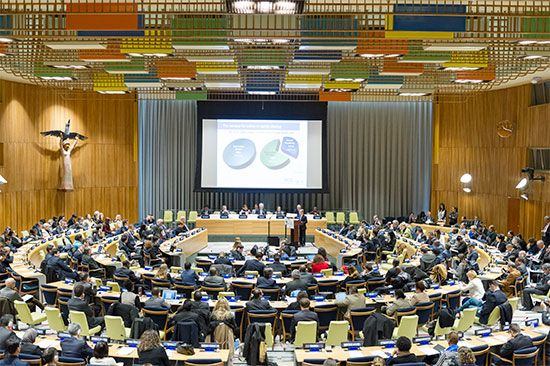
Demographic analysis serves as a vital tool for government agencies, political parties, and manufacturers to understand the composition and needs of the public. For instance, the U.S. Census Bureau conducts a decennial census to collect this data, which is then used to allocate congressional seats, define legislative districts, and inform the distribution of funds for community services. In modern usage, the term is also employed as a noun to describe specific segments of a population, such as a target “18-to-24-year-old demographic” for advertising.23
What are the main population groups in the United States?
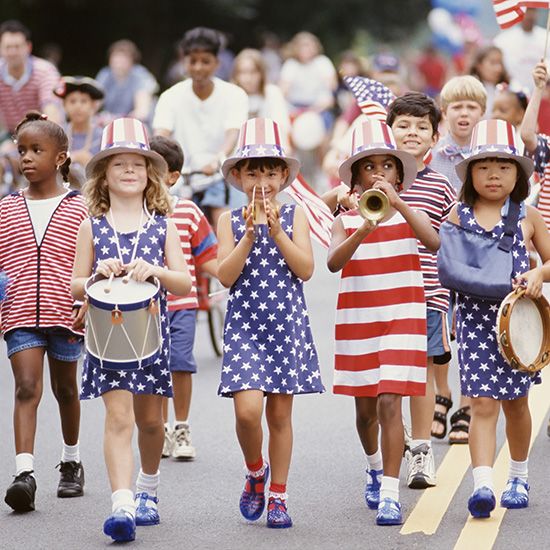
The United States is characterized by a highly diverse population, shaped by sustained global immigration, the presence of Indigenous peoples, and the descendants of enslaved Africans. Because of this history, the country encompasses a wide range of racial, ethnic, and cultural groups.5
Key Population Groups
- Indigenous Peoples: This group includes Native Americans, Alaska Natives, and Native Hawaiians.5
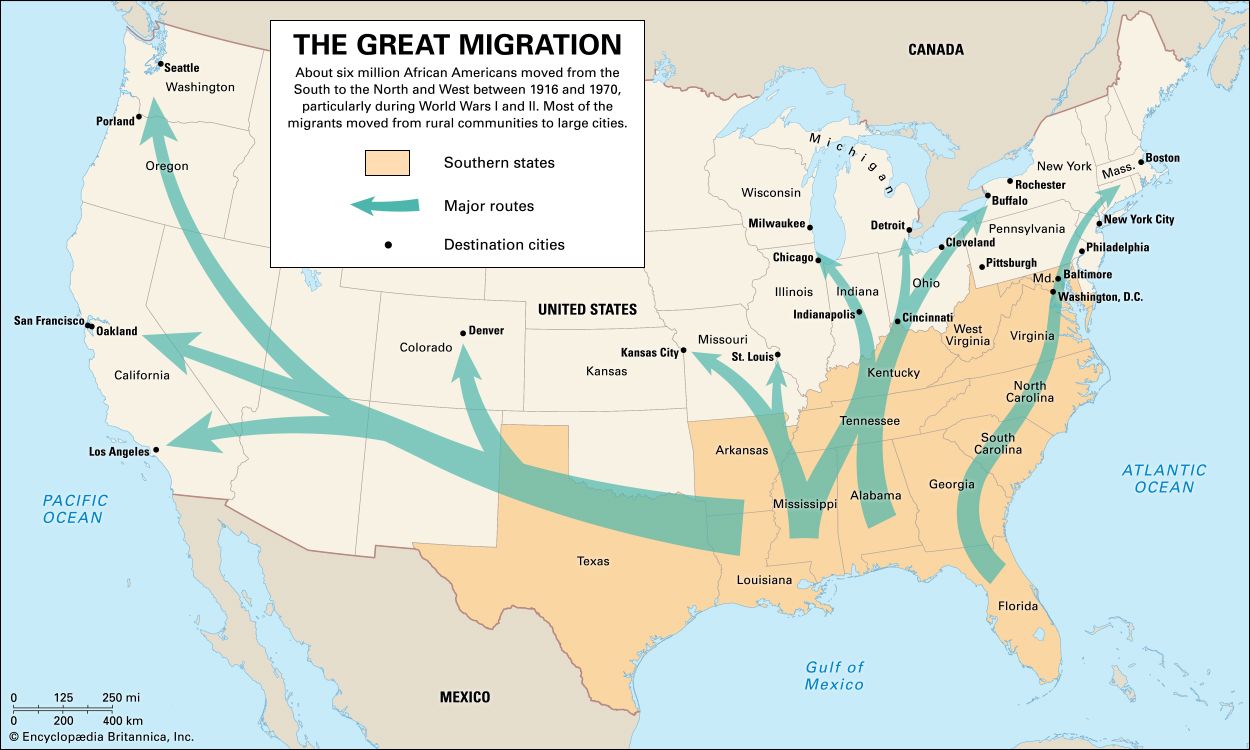
- African Americans: Descendants of Africans brought to the New World as enslaved persons, this group represents a significant portion of the population, with high concentrations in many large American cities.65
- Hispanics and Latinos: Defined by the government as individuals of Spanish culture or origin, this group has grown rapidly and includes people of Mexican, Puerto Rican, Cuban, and Central or South American descent.3
- Multiracial Individuals: A growing segment of the population identifies as being of more than one race, a category that has increased significantly in recent census data.47
Many U.S. citizens also identify generically as “American” or claim mixed identities due to long-term acculturation.47
How has the population of the United States changed over time?
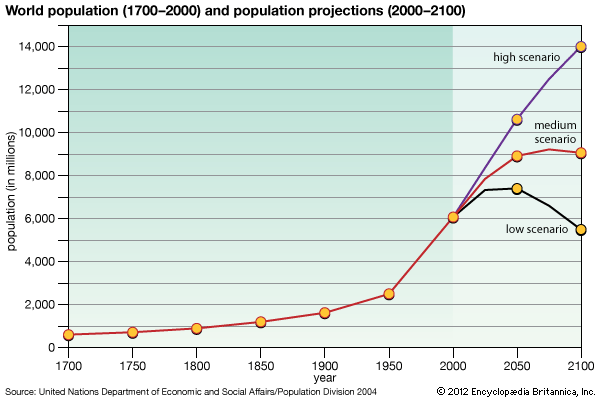
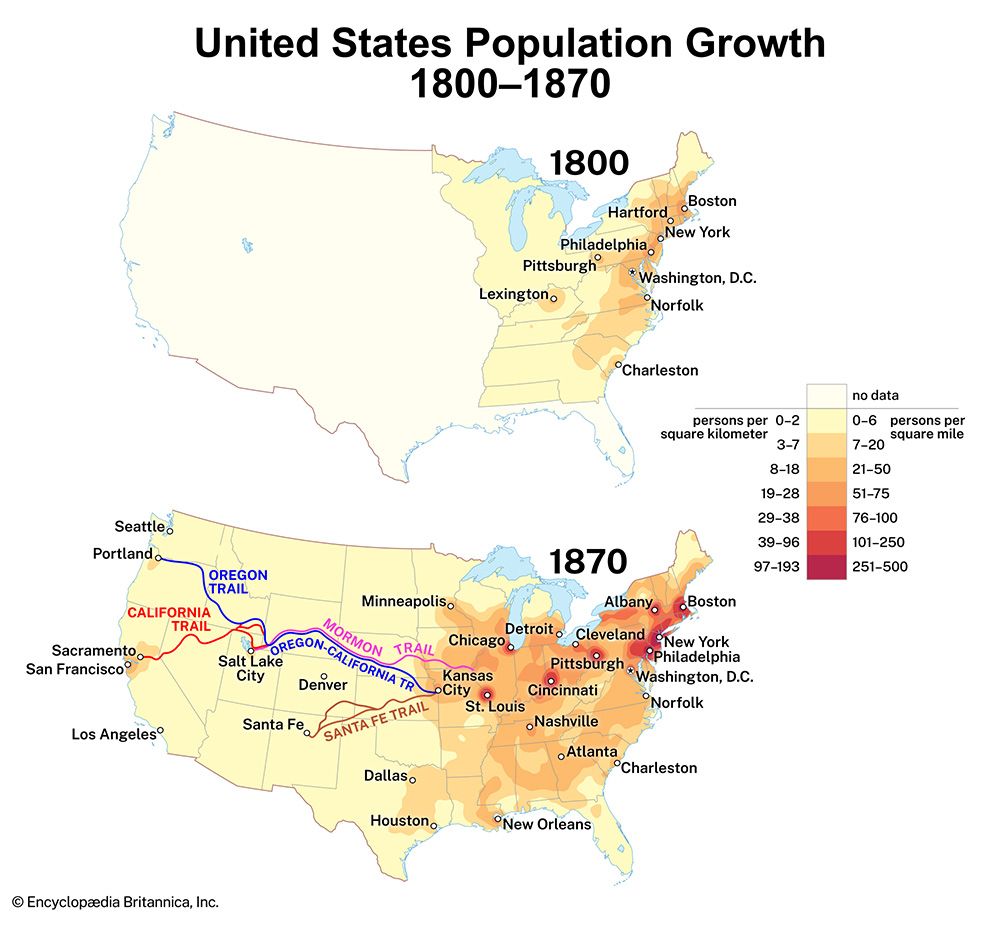
The population of the United States has experienced rapid and unparalleled growth since the 18th century, evolving from a new member of the global community into a major world power. This expansion has been driven by sustained global immigration, with 60 million people arriving during the 18th and 19th centuries alone.9
Historical Growth and Migration
In the late 19th century, the population grew significantly; for example, it rose from approximately 50 million in 1880 to nearly 76 million by 1900. While early immigration was dominated by northern and western Europeans, the late 1890s saw a shift toward southern and eastern European arrivals. Internally, the nation has exhibited a restless migratory spirit, initially moving from east to west and from rural areas to cities. Since the 1950s, however, major trends have included the movement from cities to suburbs and a strong shift from northern metropolises to the growing urban centers of the South, Southwest, and West.103911
Modern Trends
Today, the U.S. population is characterized by high diversity and a birth rate that has fallen below replacement levels, making immigration an increasingly vital component of population growth. The U.S. Census Bureau tracks these changes through a decennial census, which provides essential data for government planning and representation.9116
What are some major languages spoken in the United States?
The United States does not have an official language at the federal level, though many individual states have passed legislation designating English as their official language. While English is the most widely spoken language in the country, the United States is home to a vast array of linguistic diversity.121314
In addition to English, the nation hosts numerous Indigenous languages. At the time of first European contact, there were more than 300 such languages; by the early 21st century, 197 were still spoken in the United States. Many of these, such as Navaho, Ojibwa, Cherokee, and Dakota-Assiniboin, remain in use, though many are considered endangered.1516
Due to the country’s history of immigration, a wide variety of other languages from around the world are also spoken by diverse communities across the U.S., reflecting its status as a multilingual society.14
Sources
- Did you know? — Merriam-Webster
- Demographics — Encyclopædia Britannica
- Demographics of the United States — Encyclopædia Britannica
- U.S. Census Bureau — Encyclopædia Britannica
- Hispanics in the United States: The U.S. Census of 2000 — Encyclopædia Britannica
- North America - The role of the United States — Encyclopædia Britannica
- United States - Ethnic distribution — Encyclopædia Britannica
- Demographics of the United States - Ethnic distribution — Encyclopædia Britannica
- United States - Growth of the nation — Encyclopædia Britannica
- United States - Immigration — Encyclopædia Britannica
- Washington - Demographic trends — Encyclopædia Britannica
- United States: Country Facts — Encyclopædia Britannica
- American Indian languages — Encyclopædia Britannica
- English language: Top Questions — Encyclopædia Britannica
- Indigenous languages of North America — Encyclopædia Britannica
- languages by total number of speakers — Encyclopædia Britannica
Published on · 3 min read