Intergovernmental Panel on Climate Change
The Intergovernmental Panel on Climate Change (IPCC) is an international body established in 1988 by the World Meteorological Organization and the United…
What is the Intergovernmental Panel on Climate Change (IPCC)?
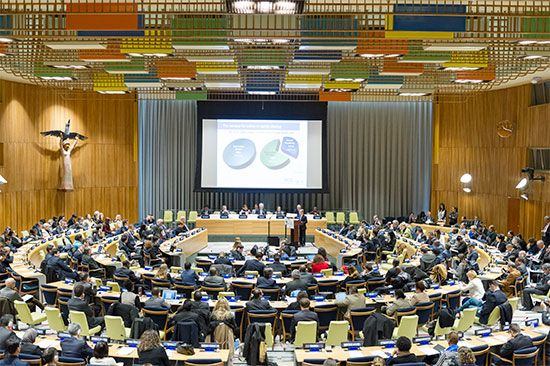
The Intergovernmental Panel on Climate Change (IPCC) is an international body established in 1988 by the World Meteorological Organization and the United Nations Environment Programme. Its primary mandate is to assess and synthesize the latest scientific, technical, and socioeconomic data regarding climate change to provide objective information to governments and international organizations.1
Thousands of leading scientists and experts contribute to the IPCC’s work, which is published in comprehensive assessment reports. These reports evaluate the scientific basis of global warming, the impacts of greenhouse gas emissions, and strategies for climate adaptation. Over the decades, the IPCC has played a critical role in building a scientific consensus that human activities are the primary drivers of modern climate change, including rising global temperatures and sea levels. By analyzing various emission scenarios and scientific models, the IPCC provides essential data to help societies understand and address the risks posed by a changing climate.1
Who created the IPCC and why?
The Intergovernmental Panel on Climate Change (IPCC) was established in 1988 by the World Meteorological Organization and the United Nations Environment Programme.1
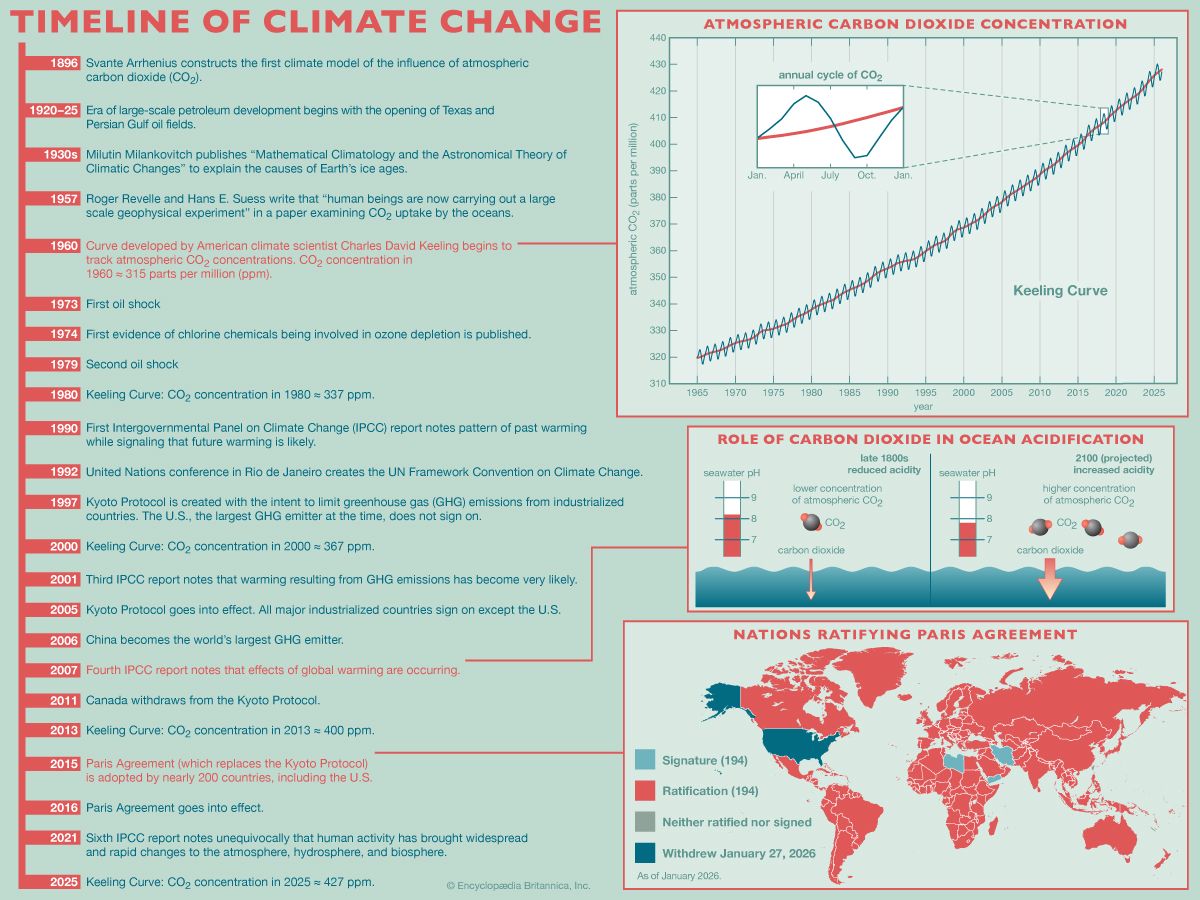
The organization was created to serve as a foundational step in formulating public policy regarding global warming and climate change. Its primary mandate is to gather, assess, and synthesize the latest scientific, technical, and socioeconomic data on the subject. By publishing these findings in comprehensive reports, the IPCC provides objective, evidence-based information to national governments and international organizations worldwide, helping them understand the risks of a changing climate and evaluate strategies for reducing greenhouse gas emissions and adapting to environmental shifts.1
What is the main purpose of the IPCC?
The main purpose of the Intergovernmental Panel on Climate Change (IPCC) is to gather, assess, and synthesize the latest scientific, technical, and socioeconomic data regarding climate change. By publishing these findings in comprehensive reports, the IPCC provides objective, evidence-based information to national governments and international organizations worldwide.1
This work is essential for formulating public policy, as it helps leaders understand the scientific basis of global warming, the impacts of greenhouse gas emissions, and the processes required for climate adaptation. Through its periodic assessment reports, the IPCC has played a vital role in building a global scientific consensus that human activities are the primary drivers of modern climate change, including rising temperatures and sea levels.1
How does the IPCC gather and review information?
The Intergovernmental Panel on Climate Change (IPCC) does not conduct its own original research. Instead, it gathers and reviews information by assessing existing peer-reviewed literature and industry practices.1
The process involves thousands of the world’s leading scientists and experts who work within a structure of three working groups and a task force. These experts assemble, analyze, and synthesize the latest scientific, technical, and socioeconomic data from around the globe. This information is then compiled into comprehensive assessment reports or special papers, which are presented to national governments and international organizations to provide an objective, evidence-based foundation for public policy.21
By relying on this rigorous, collaborative review of established research, the IPCC has successfully built a global scientific consensus regarding the human-driven nature of modern climate change.2
Sources
- Global warming policy - The IPCC and the scientific consensus — Encyclopædia Britannica
- Intergovernmental Panel on Climate Change — Encyclopædia Britannica
Published on · 2 min read