Denticle
A denticle is a toothlike scale found on the skin of elasmobranch fishes, such as sharks and raysanimal/shark) and rays. While they are distinct from the…
What exactly is a denticle and how does it differ from regular teeth?
A denticle is a toothlike scale found on the skin of elasmobranch fishes, such as sharks and raysanimal/shark) and rays. While they are distinct from the teeth located in the jaw, they share a similar biological composition.1
Both denticles and regular teeth are composed of dentin, a hard tissue made of calcium and phosphate crystals. In both structures, this material is produced by specialized cells called odontoblasts.1
The primary differences lie in their development and function:
- Structure and Attachment: Unlike mammalian teeth, which are anchored in sockets by a periodontal membrane, shark denticles are essentially modified scales.12
- Composition: While human teeth are capped with enamel, many nonmammalian vertebrates—including sharks—lack true enamel, instead covering their teeth and denticles with a harder, dentin-related material known as vitrodentin.12
How are denticle fossils formed and preserved over time?
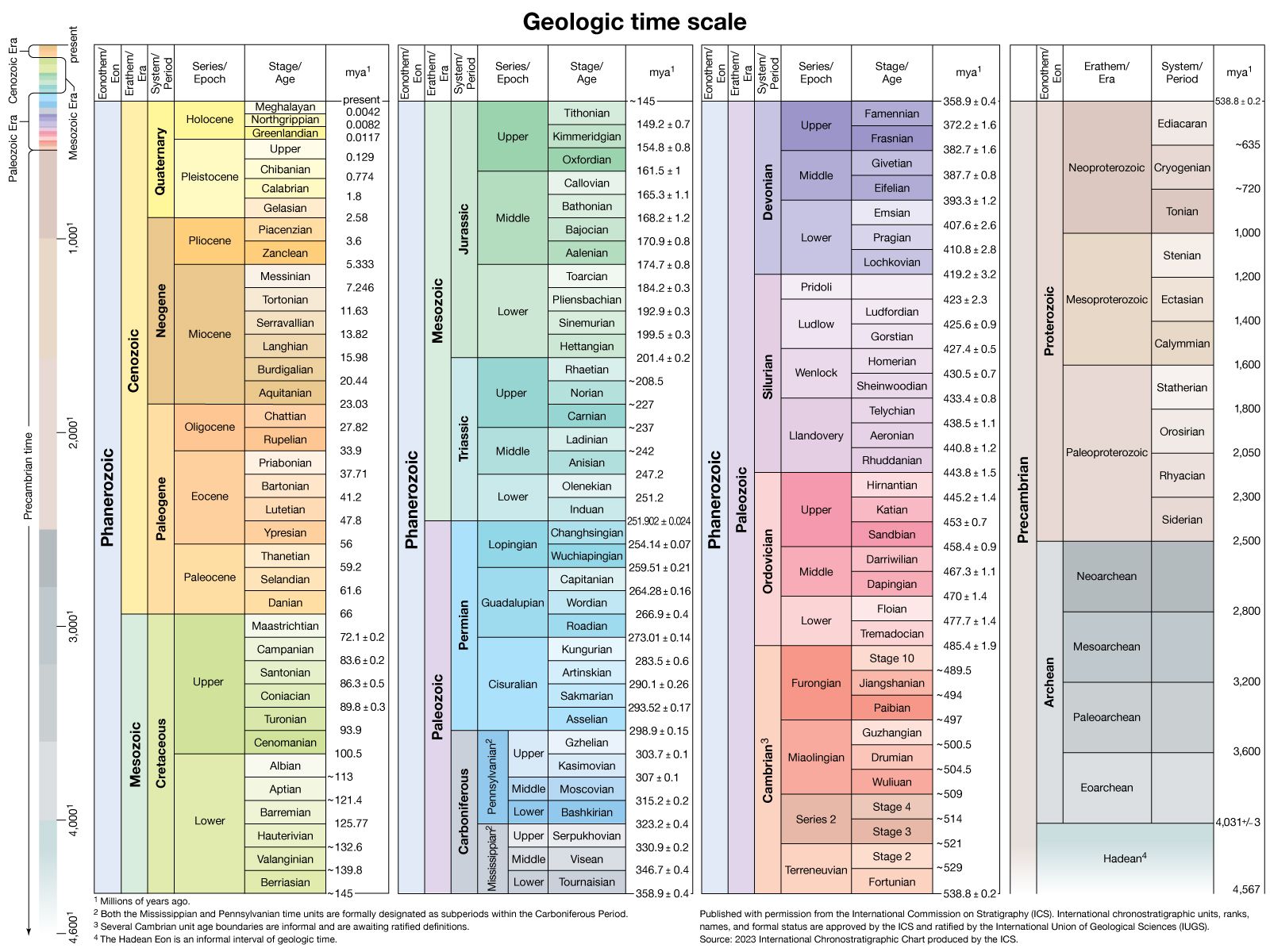
The term “denticle” refers to two distinct concepts in the study of fossils and anatomy. While shark skin scales are often called denticles, the term is also used to describe the small, toothlike projections found on conodonts—extinct, eel-like marine vertebrates whose remains are significant markers in geologic time.13
Regarding conodont denticles, these structures are preserved within marine sedimentary rocks. Because they are composed of mineralized tissues, they resist decay and remain intact long after the soft tissues of the organism have decomposed. Their preservation allows paleontologists to study their varied shapes—which may be needlelike, spiny, or saw-toothed—to identify specific conodont species.3
In contrast, the denticles (toothlike scales) of sharks are composed of dentin and vitrodentin. Like the teeth of megalodon and other sharks, these structures are highly mineralized with apatite crystals, which facilitates their fossilization in the fossil record over millions of years.14
How do paleontologists use denticle fossils to study ancient marine ecosystems?
Paleontologists use denticle fossils—specifically those belonging to conodonts—as essential tools for interpreting ancient marine environments and establishing geologic time. Because these microfossils evolved rapidly and changed their physical characteristics over millions of years, they serve as highly reliable markers for dating and correlating sedimentary rock strata across the globe.35
By analyzing the specific form, number, and arrangement of denticles, researchers can identify distinct conodont species and define “zones” within the rock record. This allows scientists to:
- Correlate Strata: Because identical species are found worldwide, they provide a standardized reference for comparing rock layers in different regions, such as North America, Europe, and Morocco.5
- Reconstruct Environments: Differences in conodont assemblages allow paleontologists to distinguish between animals that inhabited open-ocean environments versus those that lived in inshore, coastal communities.5
- Track Biodiversity: The abundance and diversity of these fossils, which peaked during the Devonian Period, help scientists map the rise and decline of marine populations throughout the Paleozoic and Triassic eras.5
What is the structure and composition of a typical denticle fossil?
A typical denticle fossil refers to two distinct biological structures, both of which are highly mineralized and resistant to decay.
Conodont Denticles
In the context of conodonts, denticles are small, toothlike projections found on the fossilized remains of these extinct marine vertebrates. Their structure is highly variable:
- Morphology: They may appear needlelike, spiny, or saw-toothed and can be arranged in straight rows, curved lines, or split branches.1
- Arrangement: Denticles are often supported by a main bar alongside a primary cusp. In more advanced forms, these features are flanked by lateral platforms.1
- Significance: Because their specific form, number, and arrangement are characteristic of particular species, they serve as vital markers for geologic time.1
Shark Denticles (Placoid Scales)
The term also describes the placoid scales found on cartilaginous fishes like sharks. These are composed of:
- Dentin: A hard, calcareous material secreted by odontoblasts lining a central pulp cavity.73
- Enamel: An outer layer secreted by the ectoderm before the denticle pierces the skin.3
- Composition: The dentin is primarily made of apatite crystals, which provides the durability necessary for preservation in the fossil record.7
Sources
- dentin — Encyclopædia Britannica
- tooth germ — Encyclopædia Britannica
- denticle — Encyclopædia Britannica
- megalodon - Paleontology — Encyclopædia Britannica
- conodont — Encyclopædia Britannica
- holostean - Extinct groups — Encyclopædia Britannica
- Integument - Fishes — Encyclopædia Britannica
Published on · 3 min read