Elba
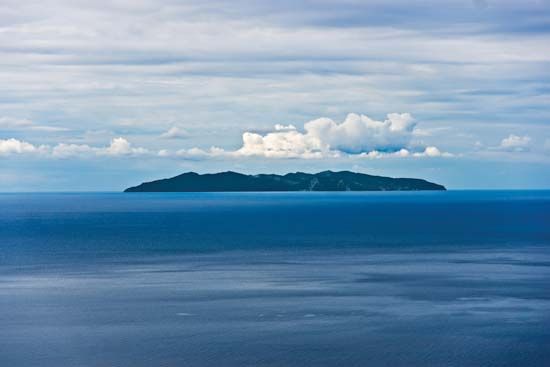
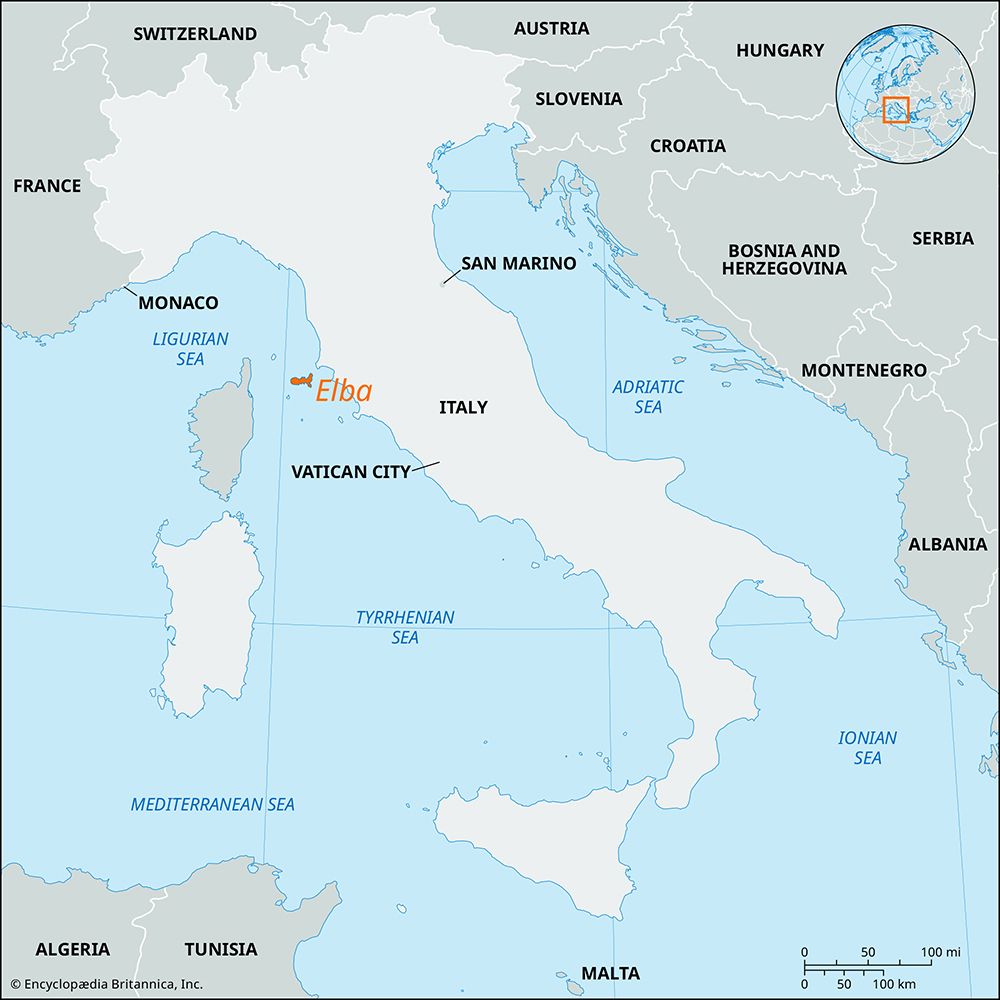
Elba is an island located in the Tyrrhenian Sea, situated off the west coast of Italy between the mainland and the island of Corsica. It serves as the…
What is the geographical location and size of Elba island?
Elba is an island located in the Tyrrhenian Sea, situated off the west coast of Italy between the mainland and the island of Corsica. It serves as the largest island within the Tuscan Archipelago and is administratively part of the Tuscany region.12
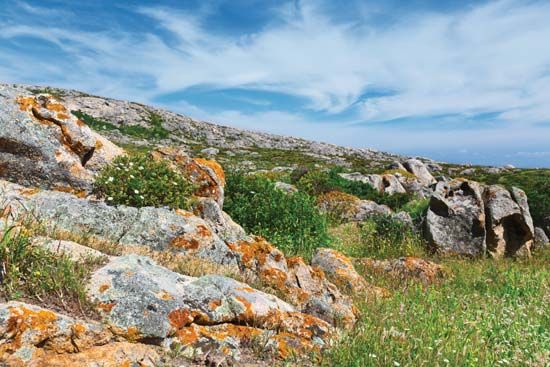
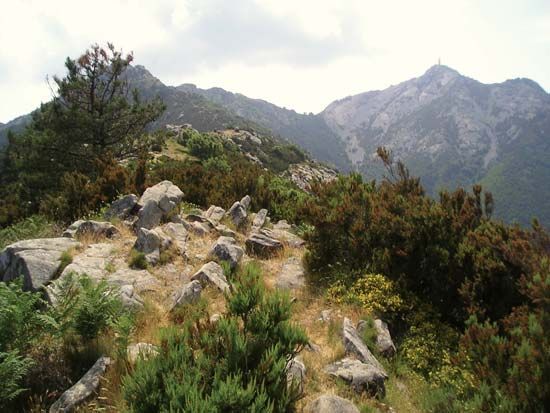
Regarding its size, the island covers an area of approximately 86 square miles (about 223 to 224 square kilometers). The landscape is characterized by a precipitous coastline and a mountainous interior, with its highest point, Mount Capanne, reaching an elevation of 3,343 feet (1,019 meters).12
What is the historical significance of Elba, particularly in relation to Napoleon Bonaparte?
Elba holds significant historical importance as the site of Napoleon I’s first exile. Following his abdication in 1814, the island was established as an independent principality with Napoleon as its sovereign ruler. He arrived on May 4, 1814, and resided there until February 26, 1815.2
During his time on the island, Napoleon maintained his residence at the Mulini Palace in Portoferraio and his summer home, Villa San Martino. Despite his initial declaration to live quietly, his stay was marked by restlessness and concern over his future. He closely monitored political developments in France, where the Bourbon Restoration faced growing public dissatisfaction. Motivated by the failure of the French government to pay his promised allowance and fears that European diplomats at the Congress of Vienna would banish him to a more remote location, Napoleon departed Elba to launch the Hundred Days campaign.23
His return to France ultimately led to his final defeat at the Battle of Waterloo, after which he was sent to the more isolated island of St. Helena.3
What are some of the most popular tourist attractions and activities on Elba?
Elba offers a variety of attractions that blend historical significance with natural beauty. Tourism has become a vital part of the island’s economy, drawing visitors to its scenic coastal towns and historical landmarks.2
Historical and Cultural Sites
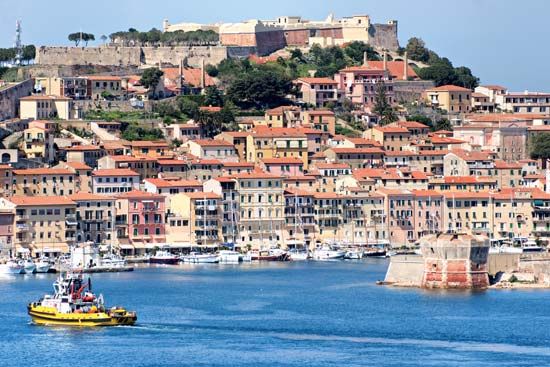
- Napoleonic Residences: Visitors can explore the Mulini Palace in Portoferraio, which served as Napoleon’s primary residence during his exile. Additionally, his summer home, Villa San Martino, is located southwest of the town and houses a museum and a collection of engravings.2
- Porto Azzurro: This town is notable for its impressive Spanish fort, constructed in 1602, which currently serves as a prison.2
- Poggio: This village is home to a spring named after Napoleon, which is well-regarded for its mineral water.2
Popular Destinations and Activities
- Summer Resorts: The island features several popular resort areas, including Procchio, Marciana Marina, Marciana, and the Gulf of Biodola in the north. On the south coast, Marina di Campo is a favored destination for travelers.2
- Outdoor Exploration: With its mountainous interior and precipitous coastline, the island is ideal for those interested in Mediterranean landscapes, olive groves, and vineyards.2
What cultural traditions and local cuisine are unique to Elba?
The cultural traditions and local economy of Elba have been shaped by its long history of iron mining and its strategic position in the Tyrrhenian Sea. Historically, the island’s identity was tied to the extraction of ore, which dates back to the Etruscans and Romans, as well as traditional maritime activities.2
Regarding local cuisine and lifestyle, the island’s mild climate supports a Mediterranean environment characterized by rich olive groves and vineyards. These agricultural staples form the foundation of the local diet. Furthermore, the island’s culinary heritage is deeply connected to its fishing traditions, which have historically focused on the catch of anchovies, sardines, and tuna.2
While the provided information highlights these agricultural and maritime roots, the Britannica knowledge base does not contain specific details regarding unique cultural festivals or signature local dishes beyond these general food sources.
Sources
- Elba — Merriam-Webster
- Elba — Encyclopædia Britannica
- Napoleon I - Elba and the Hundred Days — Encyclopædia Britannica
Published on · 3 min read