Capraia Island
Capraia Island (derived from the word for "wild goat") is a mountainous, volcanic island located in the Tyrrhenian Sea between the Italian mainland and the…
What is Capraia Island?
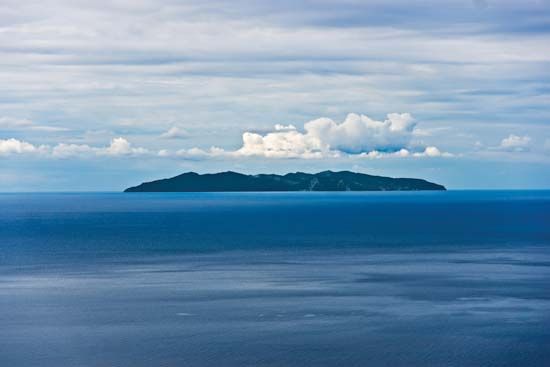
Capraia Island (derived from the word for “wild goat”) is a mountainous, volcanic island located in the Tyrrhenian Sea between the Italian mainland and the northern tip of Corsica. Part of the Arcipelago Toscano, it covers an area of 7.4 square miles (19 square km) and reaches an elevation of 1,467 feet (447 metres).1
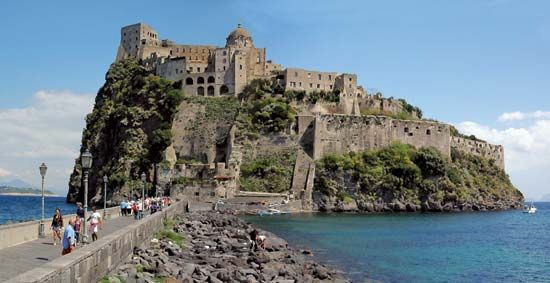
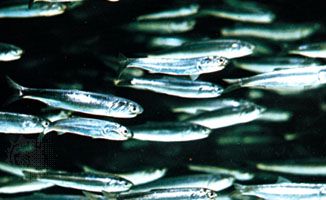
The island’s economy is supported by wine production and anchovy fishing. Its village and port area feature a 15th-century fortress and serve as a bathing resort. Notably, about one-third of the island has been occupied by an agricultural penal colony since 1872.1
It is important to distinguish Capraia from the Island of Capri, a separate, well-known resort island located near the Bay of Naples in southern Italy.2
What other islands make up the Tuscan Archipelago?
The Tuscan Archipelago (Arcipelago Toscano) is a group of islands located in the Tyrrhenian Sea off the coast of Italy. While the archipelago consists of several islands, the following are prominent members of the group:
- Elba: The largest island in the archipelago, famous for being the site of Napoleon I’s exile in 1814–15.3
- Capraia Island: A mountainous, volcanic island known for its wine production and anchovy fishing.1
- Giglio Island: A mountainous islet featuring the medieval village of Giglio Castello and popular bathing resorts.4
- Pianosa Island: A low-lying island situated southwest of Elba, historically used as a place of banishment and later as an agricultural penal colony.5
How do volcanic islands like Capraia form?
Volcanic islands like Capraia form through volcanism, a process involving the discharge of molten rock and other materials from beneath the Earth’s surface. These islands typically emerge in one of three primary geologic settings:
- Subduction Zones: When two tectonic plates converge, one is forced beneath the other. As the sinking plate reaches depths of about 100 km, it triggers melting in the mantle above it. This generates magma that rises to the surface, creating curved chains of islands known as island arcs.16
- Oceanic Ridges: Along oceanic ridge systems, plates move apart, allowing magma to well up from the mantle to create new ocean floor. While most of this activity occurs underwater, some ridges are sufficiently elevated to emerge above sea level, as seen in Iceland.1
- Hot Spots: Some islands form far from plate margins when a plate moves over a stationary “hot spot” in the mantle. Magma penetrates the crust, creating a chain of volcanoes that mark the direction of the plate’s movement, such as the islands of Hawaii.1
What is the history of penal colonies on islands?
A penal colony is a distant or overseas settlement established to punish criminals through forced labour and isolation from society. Historically, these colonies were primarily developed by the English, French, and Russians to manage convict populations.9
England transported criminals to America until the American Revolution and to Australia until the mid-19th century. In these regions, convicts often provided the labor necessary for early European settlement. France established colonies in locations such as New Caledonia and French Guiana, the latter of which became notorious for harsh conditions and underfeeding. Meanwhile, the Soviet Union utilized Siberian colonies extensively from the Russian Revolution through the Stalin era.95
Smaller island sites also served this purpose, such as Pianosa Island in Italy, which functioned as an agricultural penal colony starting in 1856. While some sites, like Norfolk Island, became testing grounds for early reform methods like the mark system, most penal colonies have since been abolished in favor of alternative crime control methods.10911
Sources
- Capraia Island — Encyclopædia Britannica
- Island of Capri — Encyclopædia Britannica
- Giglio Island — Encyclopædia Britannica
- Elba — Encyclopædia Britannica
- Pianosa Island — Encyclopædia Britannica
- volcanism — Encyclopædia Britannica
- volcano - Submarine volcanoes — Encyclopædia Britannica
- plate tectonics - Island arcs — Encyclopædia Britannica
- penal colony — Encyclopædia Britannica
- Did you know? — Merriam-Webster
- prison - Emergence of the penitentiary — Encyclopædia Britannica
Published on · 3 min read