Emberizidae
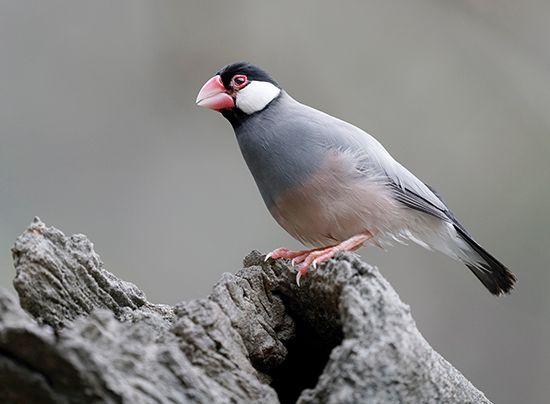
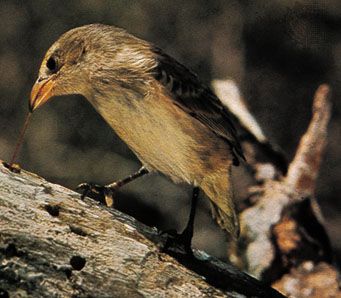
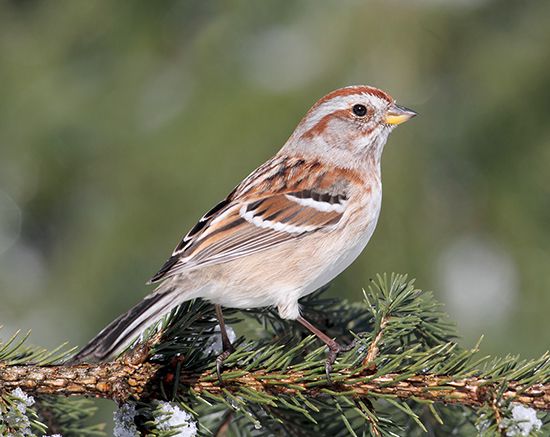
Emberizidae is a family of songbirds comprising nearly 200 species of seedeaters characterized by their conical bills.
What is Emberizidae?
Emberizidae is a family of songbirds comprising nearly 200 species of seedeaters characterized by their conical bills.1
Depending on the classification system used, the family’s scope varies significantly:
- Inclusive classification: Includes New World sparrows, Old World buntings, towhees, and various brush finches across 30 genera.1
- Exclusive classification: Limited to the 44 species within the tropical genus Emberiza.1
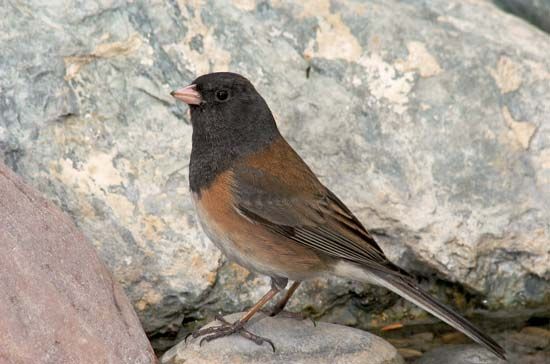
These birds are small to medium-sized, typically measuring 10 to 20 cm in length and weighing 13–30 grams. While many species exhibit mottled gray-brown plumage, others feature high-contrast streaks or vibrant colors, such as the yellow-breasted brush finch. Emberizids are highly adaptable, inhabiting diverse environments ranging from tundra and mountains to tropical rainforests and marshes1.1
What are the main differences between sparrows and buntings?
Sparrows and buntings are closely related, as both are often grouped within the Emberizidae family of songbirds, which are defined by their conical bills and seed-eating habits. Distinguishing between them can be complex because their classification varies depending on the scientific approach used.21
The primary differences lie in their geographic distribution and specific groupings:
- Buntings: This term refers to a diverse group of about 50 species. Old World buntings belong to the genus Emberiza and are found across Europe, Asia, and Africa. Other species, such as the white buntings of the genus Plectrophenax, are hardy birds of the Arctic. Additionally, some brightly colored New World species, such as the indigo bunting and painted bunting, are classified under the family Cardinalidae rather than Emberizidae.2
- Sparrows: In an inclusive classification, New World sparrows are categorized within the Emberizidae family. They are often identified by their distinct head markings, such as the alternating dark and white streaks found on the white-throated sparrow.1
How do conical bills help these birds eat?
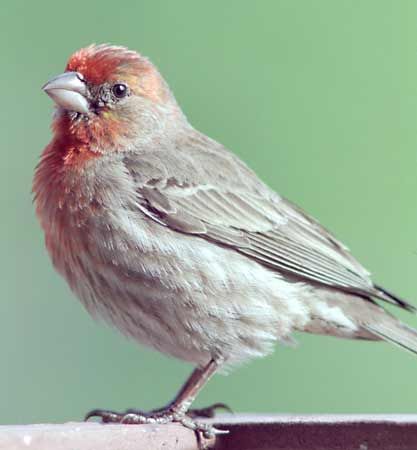
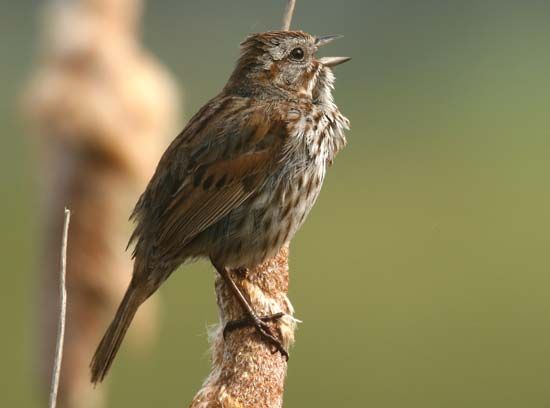
Conical bills are specialized structures primarily adapted for seed eating. Their morphology is highly functional, ranging from relatively small and pointed shapes—suitable for handling smaller seeds—to exceedingly stout and blunt forms. These robust, heavy-duty bills provide the mechanical leverage necessary to crack open remarkably hard objects, such as cherry pits.4
While these bills are evolutionarily optimized for granivory, they are not exclusively limited to that diet. Most birds are opportunistic feeders, and those with conical bills may also consume insects, especially when feeding their young, or exploit other seasonally available plant foods. The bill itself is composed of bone covered by a horny sheath called the ramphotheca, which is designed to withstand the wear and tear of constant use while maintaining the ability to grow and replace lost material.4
What habitats do these birds typically prefer?
Sparrows and buntings occupy a remarkably diverse range of environments across the globe. Because these birds are found in many different families and genera, their preferred habitats vary significantly based on the species.162
Habitat Diversity
Emberizids, which include many sparrows and buntings, are highly adaptable and can be found in environments ranging from harsh tundra and mountainous regions to lush tropical rainforests and marshes.1
- Grasslands and Fields: Many sparrows, such as the savanna and vesper sparrows, are specialized for grassy fields. Similarly, some buntings are associated with winter fields or open areas.26
- Woodlands and Thickets: Species like the song sparrow and fox sparrow are often found in woodlands, while New World buntings in the genus Passerina typically inhabit areas of dense bush and thickets.62
- Arctic and Remote Regions: Hardy species like the snow bunting thrive in the Arctic, while others, such as McKay’s bunting, nest on remote islands in the Bering Sea.6
- Human-Modified Landscapes: The house sparrow is famously associated with human environments, living in towns and on farms worldwide.7
Sources
- Emberizidae — Encyclopædia Britannica
- Bunting — Encyclopædia Britannica
- Passeriform - Size range and structural diversity — Encyclopædia Britannica
- Passeriform - Bill — Encyclopædia Britannica
- Beak — Encyclopædia Britannica
- House sparrow — Encyclopædia Britannica
- Sparrow — Encyclopædia Britannica
- Finch — Encyclopædia Britannica
Published on · 3 min read