Fringillidae
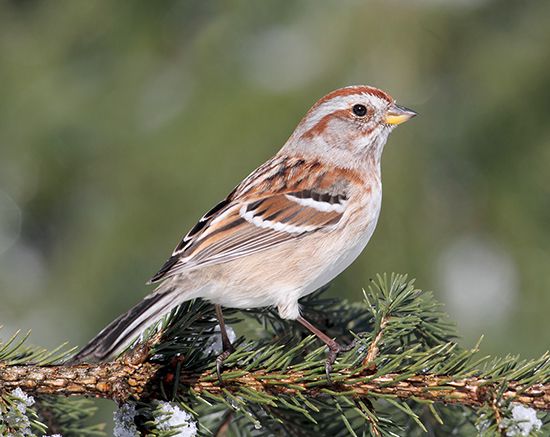
Fringillidae is a family of songbirds within the order Passeriformes, often referred to as "true finches." This family comprises approximately 230 to 240…
What is Fringillidae?
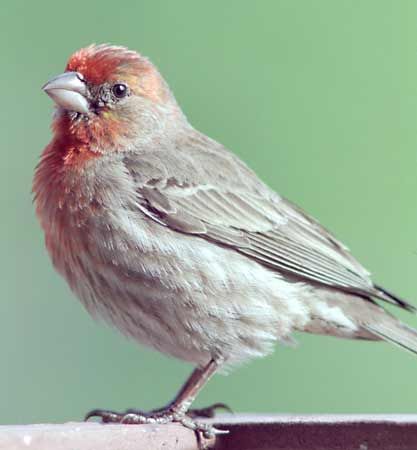
Fringillidae is a family of songbirds within the order Passeriformes, often referred to as “true finches.”1 This family comprises approximately 230 to 240 species distributed across about 50 genera, found on every continent except Antarctica., found on every continent except Antarctica.1
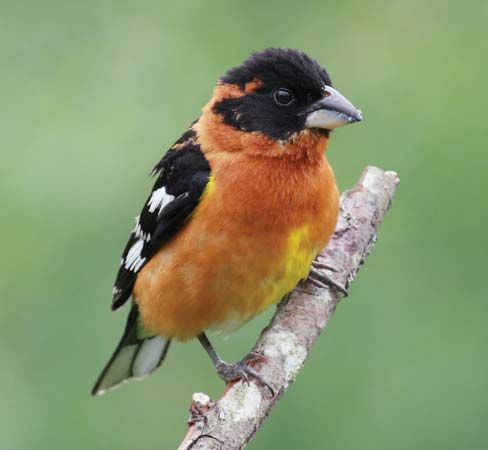
These birds are characterized by their small size and strong, conical bills that are typically thick at the base, which they use to crack seeds. Many species exhibit sexual dimorphism, where males and females differ in appearance, and juveniles often resemble the females. While they are primarily seed-eaters, many species supplement their diet with insects, particularly when feeding their young.21
It is important to note that the term “finch” is also applied to various songbirds in other families, such as Emberizidae, Thraupidae, and Estrildidae. Members of the Fringillidae family include grosbeaks, euphonias, and chaffinches.31
What is sexual dimorphism in birds?
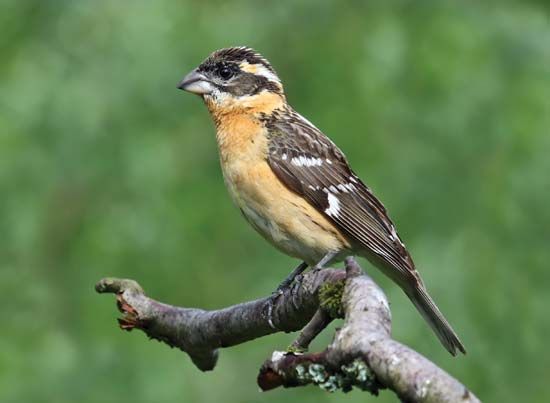
Sexual dimorphism in birds refers to the distinct differences in appearance—such as color, size, shape, and structure—between males and females of the same species. These variations are primarily driven by sexual selection, an evolutionary process where individuals compete for reproductive advantages.45
In many bird species, males display vibrant plumage to attract mates or intimidate rivals, signaling their health and genetic quality. Conversely, females are often cryptically colored, which provides essential camouflage while they remain on the nest. This contrast is well-documented in the family Fringillidae, where males often exhibit striking colors while females and juveniles maintain more muted, protective tones.542
While bright colors can make males more visible to predators, they serve as a testament to the male’s vitality and ability to thrive despite the increased risk. In some instances, such as with the phalarope, these roles are reversed, with females displaying brighter plumage and taking the lead in courtship.5
How do finches use their beaks to adapt to different food sources?
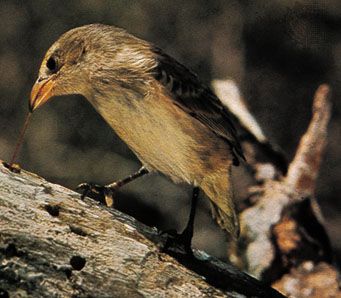
Finches have evolved a remarkable diversity of bill shapes that allow them to exploit various food sources, a phenomenon driven by adaptive radiation. While many finches are characterized by heavy, conical bills designed for cracking seeds, their beak morphology is highly plastic and responds to selective pressures based on available resources.673
The most famous example of this adaptation is seen in Galapagos finches. When their ancestors arrived in the islands, they encountered numerous unoccupied ecological niches. Over time, different species evolved specialized bill shapes to efficiently obtain food, including:7
- Crushing: Stout, blunt bills capable of cracking hard seeds or pits.6
- Probing: Narrow or slender bills used to reach into crevices or flowers for insects and nectar.67
- Grasping and Biting: Versatile shapes that allow for the manipulation of various food items.7
While these adaptations help birds specialize, most finches remain opportunistic feeders, often supplementing their diet with insects—especially when feeding nestlings, which cannot yet crack seeds.63
What are the differences between true finches and other birds called finches?
The term “finch” is applied broadly to many small, conical-billed, seed-eating songbirds, but there is a scientific distinction between “true finches” and other birds that share the name.
True Finches True finches belong exclusively to the family Fringillidae. This group comprises approximately 230 species, including grosbeaks, euphonias, and chaffinches. They are found on every continent except Antarctica and are characterized by their specialized seed-cracking bills and often vibrant plumage.13
Other Birds Called Finches Many other songbirds are commonly referred to as finches due to their physical appearance or feeding habits, but they are classified in different biological families:
- Emberizidae: This family includes the famous Galapagos finches, which are notable for their diverse bill shapes that evolved to exploit specific ecological niches.38
- Estrildidae: This family includes the grass finches of Australasia, such as the colorful Gouldian finch.39
- Thraupidae: Some members of this family are also colloquially grouped under the name.13
Sources
- Fringillidae — Encyclopædia Britannica
- Fringillidae — Merriam-Webster
- Finch — Encyclopædia Britannica
- Sexual dimorphism — Encyclopædia Britannica
- Why are male animals more colorful? — Encyclopædia Britannica
- Passeriform - Bill — Encyclopædia Britannica
- evolution - Adaptive radiation — Encyclopædia Britannica
- Darwin's finches — Merriam-Webster
- Galapagos finch — Encyclopædia Britannica
- Grass finch — Encyclopædia Britannica
Published on · 3 min read