Flamborough Head
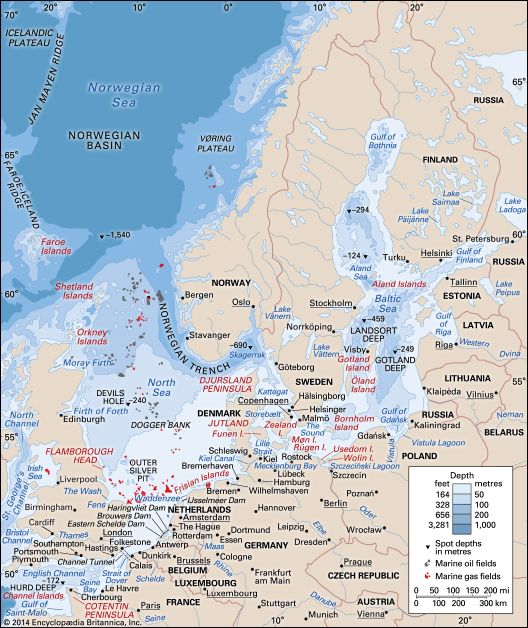
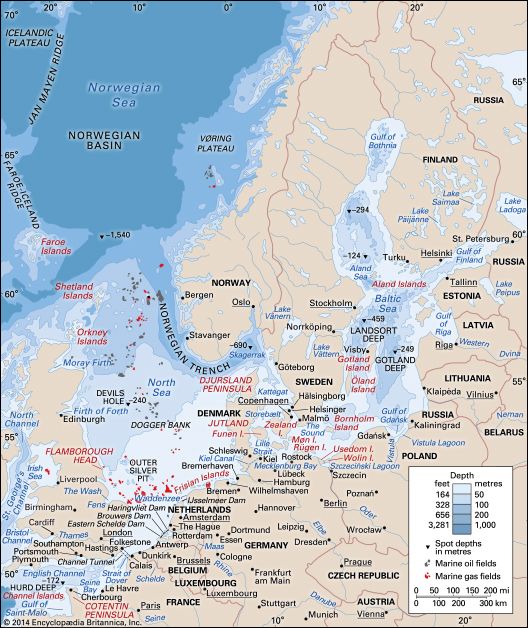
Flamborough Head is a prominent chalk headland located in the East Riding of Yorkshire, England. It marks the point where the Yorkshire Wolds extend…
What is Flamborough Head?
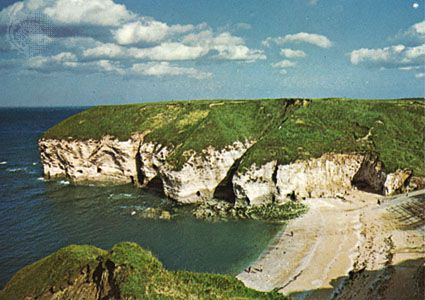
Flamborough Head is a prominent chalk headland located in the East Riding of Yorkshire, England. It marks the point where the Yorkshire Wolds extend approximately 4 miles (6 km) into the North Sea.12
The site is characterized by dramatic northern cliffs that reach elevations of up to 400 feet (120 metres). These cliffs serve as a vital breeding ground for seabirds, and the coastline is notably shaped by erosion, featuring various bays, caves, and sea stacks. Additionally, a lighthouse stands at the extremity of the promontory, rising 214 feet above the sea to aid navigation.1
How are chalk cliffs formed by the sea?
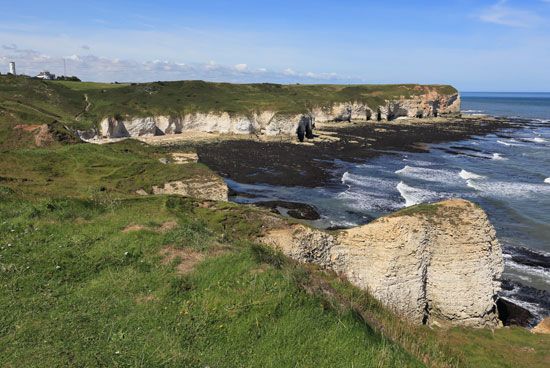
Chalk cliffs are formed through the geological process of coastal erosion, where the action of the sea undermines and wears away landforms composed of chalk—a soft, fine-grained variety of limestone primarily made of the shells of minute marine organisms.34
When waves strike a coastline, they exert pressure and abrasive force against the rock face. Over time, this constant wave action erodes the base of the cliffs, causing the rock above to become unstable and eventually collapse. This process is particularly evident along the English Channel, where the sea has eroded geological folds to create the iconic, steep chalk cliffs that face the European mainland. Because chalk is relatively soft and porous, it is susceptible to these erosive forces, which carve out distinct coastal features such as bays, caves, and sea stacks.34
What types of seabirds nest at Flamborough Head?
Flamborough Head is a significant breeding ground for various seabirds, as its high, rugged chalk cliffs provide essential nesting sites along the North Sea coast.1
While specific species are not detailed in the provided text, the promontory’s dramatic cliffs—which reach up to 400 feet in elevation—create a protected environment for large colonies of seabirds to thrive.1
Why are lighthouses important for coastal navigation?
Lighthouses serve as essential aids to maritime navigation, providing critical support for mariners by warning of hazards, helping to establish a vessel’s position, and guiding ships safely to their destinations.5
Their importance in coastal navigation includes:
- Visual Guidance: Mariners often prefer the reassurance of visual navigation. Lighthouses and lighted buoys offer a simple, reliable, and cost-effective method for navigating busy or tortuous coastal waters and harbor approaches.5
- Safety Backup: They provide a vital fail-safe for vessels, remaining functional even when sophisticated electronic navigation systems fail or for ships lacking specialized equipment.5
- Hazard Marking: Structures and floating lights, such as lightships, are used to mark submerged hazards like shifting sandbanks, ensuring that vessels—particularly those with deep drafts—can follow safe channels.567
- Flexibility: Floating lights, including buoys, offer the advantage of mobility, allowing them to be redeployed to meet changing maritime conditions.6
Sources
- Flamborough Head — Encyclopædia Britannica
- Flamborough Head — Merriam-Webster
- United Kingdom - The lowland zone — Encyclopædia Britannica
- chalk — Encyclopædia Britannica
- lighthouse — Encyclopædia Britannica
- lighthouse - Floating lights — Encyclopædia Britannica
- lighthouse - Medieval lighthouses — Encyclopædia Britannica
- lighthouse - Lightships — Encyclopædia Britannica
Published on · 2 min read