Holderness
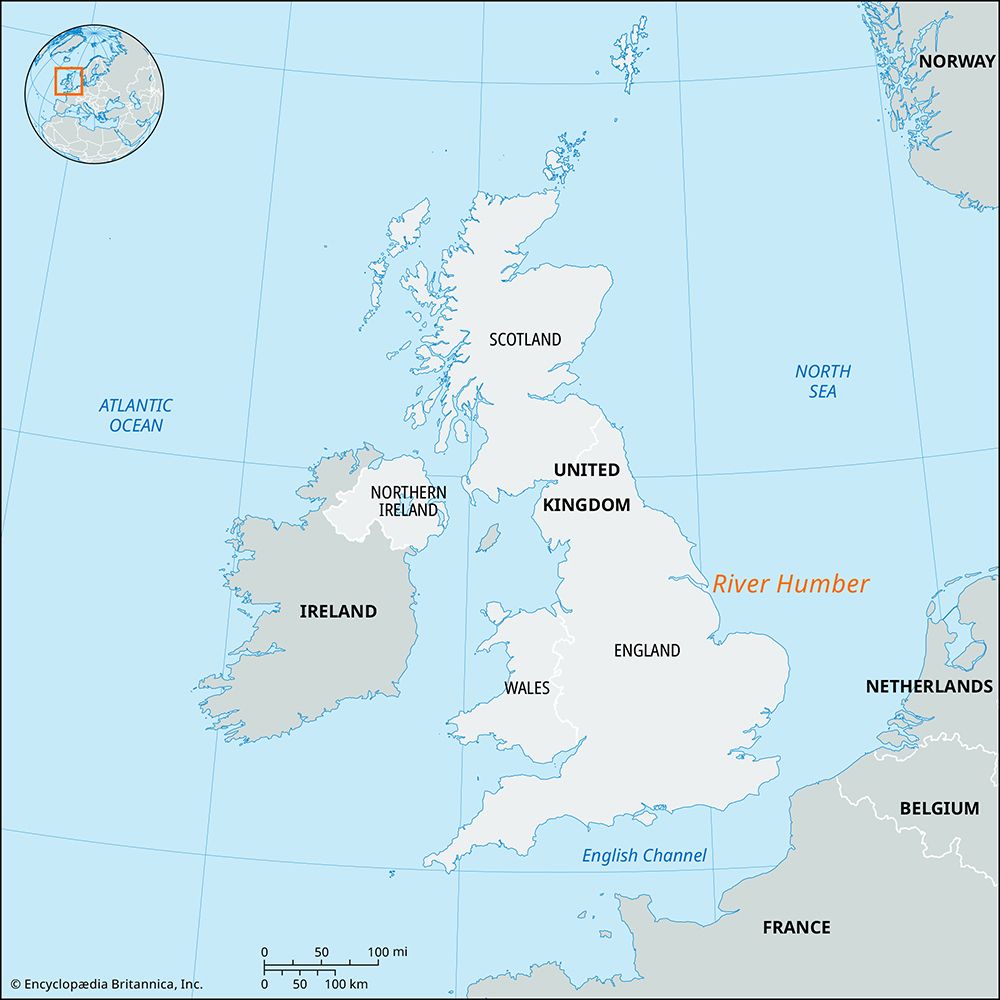
Holderness is a low-lying peninsula and geographic region situated in the East Riding of Yorkshire, England.
What is the geographical location and extent of the Holderness peninsula?
Holderness is a low-lying peninsula and geographic region situated in the East Riding of Yorkshire, England.1
Its location is defined by the following boundaries:
- East: The North Sea, where the region terminates in a line of unstable clay cliffs.12
- South: The River Humber estuary1.
- North/West: The region descends from the Yorkshire Wolds, which sweep in a crescent toward the Humber.2
The peninsula’s southernmost tip is Spurn Head, a sand spit formed by coastal currents that carry eroded sediment southward. The area is characterized by its hummocky surface, which was drained in the 19th century to create highly productive agricultural land. Due to its coastal position, the region faces significant challenges from erosion, which has claimed land and villages since Roman times.12
How has the landscape of Holderness changed over the centuries due to human activity?
Human activity has significantly reshaped the landscape of Holderness over the centuries through both direct intervention and the indirect consequences of coastal and riverine changes.
- Land Reclamation and Drainage: During the 19th century, the completion of large-scale drainage projects and the enclosure of the region’s hummocky surface and estuary silts transformed the area into one of England’s most productive agricultural regions. Similarly, silt deposits along the River Humber, such as Sunk Island, have been reclaimed for use as farmland.12
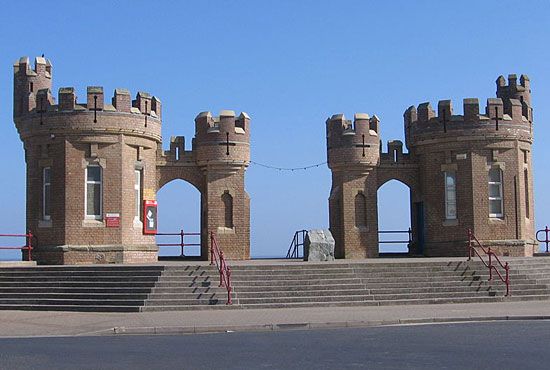
- Coastal Management: To combat severe erosion along the North Sea coast—which has claimed numerous villages and fields since Roman times—costly seawalls have been constructed to protect resorts like Hornsea and Withernsea.12
- Industrial Development: The landscape has been adapted for modern energy needs. A gas terminal at Easington now processes natural gas from offshore fields, and salt cavities beneath the clay surface near Hornsea have been excavated for large-scale storage.12
- Riverine Changes: Sedimentation from the Humber has altered the coastline, silting up medieval tidal harbours such as Hedon.12
What is the importance of agriculture in the Holderness region?
Agriculture is the cornerstone of the Holderness region, which remains profoundly rural outside of its coastal resorts. Following the completion of extensive drainage projects and land enclosure in the 19th century, the area was transformed into one of the most productive agricultural regions in England.1
The importance of this sector is reflected in the region’s diverse and intensive output:
- Crop Production: The fertile landscape supports large-scale cultivation of cereals, sugar beets, and various fodder crops.12
- Livestock: The region maintains a high density of livestock, with a particular emphasis on intensive pig and poultry enterprises.12
- Land Reclamation: The agricultural footprint has been expanded through the reclamation of silt deposits, such as those found at Sunk Island along the River Humber, which have been successfully converted into productive farmland.12
This agricultural productivity is a vital component of the local economy, sustaining a significant farming population and contributing to the broader economic stability of the East Riding of Yorkshire.2
How does the economy of Holderness compare to other regions in Yorkshire and England?
The economy of Holderness is distinct from the more urbanized and industrialized parts of Yorkshire, such as the metropolitan counties of West and South Yorkshire. While regions like West Yorkshire have diversified into finance and manufacturing—with Leeds serving as a major financial hub—Holderness remains profoundly rural and primarily focused on primary production.12
Key economic comparisons include:
- Agricultural Focus: Unlike the industrial centers of Sheffield or Leeds, the economy of Holderness is defined by its status as one of England’s most productive agricultural regions. It specializes in large-scale cereal, sugar beet, and fodder crop production, alongside intensive livestock enterprises.13
- Energy and Infrastructure: Holderness contributes to the regional economy through specialized energy infrastructure, such as the natural gas terminal at Easington and large-scale salt cavity storage near Hornsea, which contrasts with the traditional manufacturing and steel-based industries found elsewhere in the county.13
- Urban vs. Rural: While the broader East Riding of Yorkshire relies heavily on Kingston upon Hull for employment in shipping, food processing, and chemical production, Holderness itself maintains a rural character, with tourism limited primarily to coastal resorts like Hornsea and Withernsea.13
Sources
- Holderness — Encyclopædia Britannica
- East Riding of Yorkshire — Encyclopædia Britannica
- England - Yorkshire — Encyclopædia Britannica
Published on · 3 min read