Garden Island
Garden Island was first sighted by Europeans in 1801 when the French navigator Captain J. Hamelin encountered it and named it Île de Bauche.
What is the origin of the name ‘Garden Island’ and when was it first discovered by Europeans?
Garden Island was first sighted by Europeans in 1801 when the French navigator Captain J. Hamelin encountered it and named it Île de Bauche.1
The island received its current name in 1829, following an expedition by a British colony. After being unable to land on the mainland due to rough seas, the expedition landed on the island and proclaimed the colony there. During that same year, Lieutenant Governor Captain James Stirling planted seeds for a garden on the site, which serves as the origin of the name “Garden Island”.1
What is the historical significance of Garden Island, particularly in relation to the Australian Navy?
Garden Island holds significant historical and strategic importance for the Australian Navy, serving as a vital maritime asset since the 19th century.
Historical Naval Use
The island’s utility for the navy began in the late 19th century, when a large bay on its southeast coast was used for careening, a process of beaching ships to perform essential repairs and maintenance.1
Military and Modern Significance
- World War II: The island played a critical role as a secret military training base, supporting Australia’s defense efforts during the conflict.1
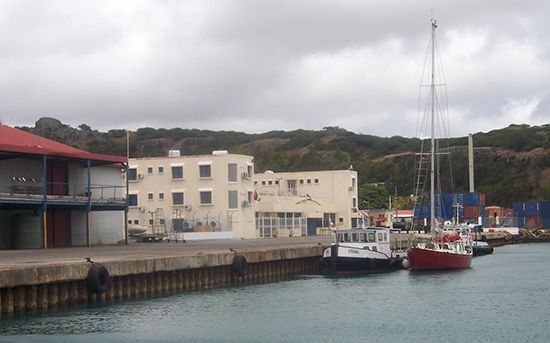
- HMAS Stirling: In 1978, the island’s strategic value was formalized with the commissioning of the naval support facility HMAS Stirling. This facility remains a cornerstone of the Australian Navy’s presence in the region.1
- Infrastructure: The construction of a causeway in 1972 permanently linked the island to the mainland, facilitating the logistical support necessary for modern naval operations.1
Where is Garden Island located in Western Australia, and what are its main geographical features?
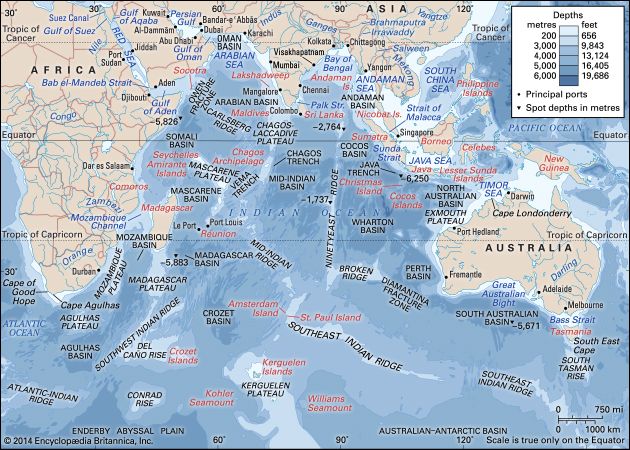
Garden Island is situated in the Indian Ocean off the southwest coast of Western Australia, located approximately 30 miles (48 km) southwest of Perth.1
The island measures 6 miles by 1 mile, covering an area of 2,338 acres (946 hectares). Its primary geographical features include:1
- Topography: The terrain is generally sandy and characterized by thick woodlands.1
- Elevation: The island rises to a height of 211 feet (65 meters) in hills located along its western shore.1
- Strategic Position: Together with Green and Penguin islands, it serves to shelter Cockburn Sound to the east and protects the approaches to the ports of Fremantle, Kwinana, and Rockingham.12
- Connectivity: Since 1972, the island has been physically linked to the mainland via a causeway.1
How does the ecosystem of Garden Island differ from the mainland of Western Australia?
The provided search results do not contain information regarding the specific differences between the ecosystem of Garden Island and the mainland of Western Australia. While the text notes that the island is “generally sandy and thickly wooded,” it does not offer a comparative analysis of the flora, fauna, or ecological dynamics between the two locations.1
Sources
- Garden Island — Encyclopædia Britannica
- Cockburn Sound — Encyclopædia Britannica
Published on · 2 min read