Robben Island
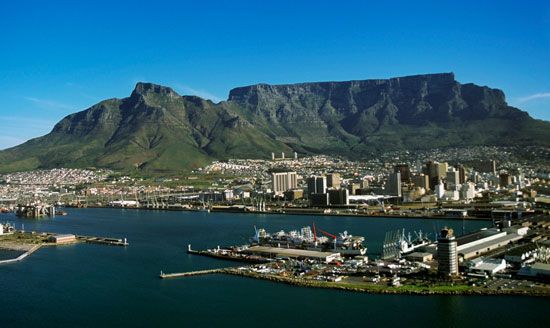
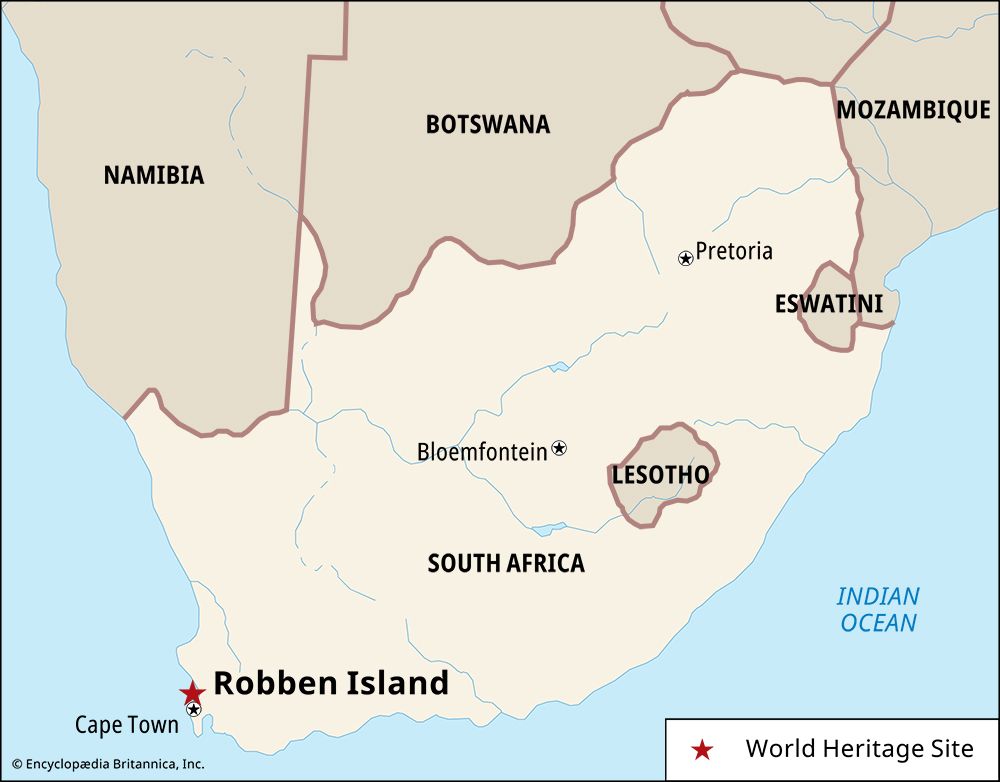
Robben Island, located in Table Bay off the coast of South Africa, derives its name from the Dutch word for "seals," which were once abundant in the…
How did Robben Island get its name and what is its significance?
Robben Island, located in Table Bay off the coast of South Africa, derives its name from the Dutch word for “seals,” which were once abundant in the surrounding waters.1
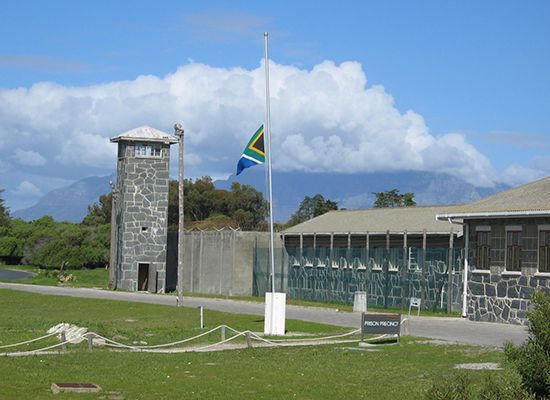
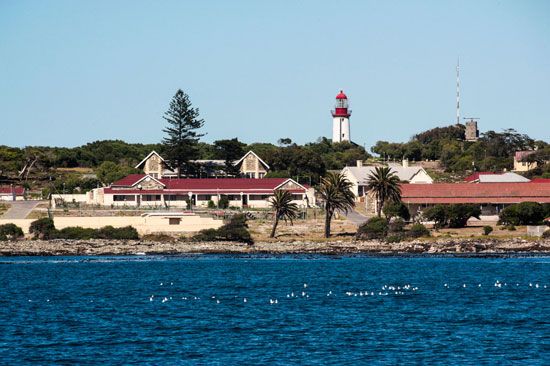
The island holds profound historical significance as a site of long-term confinement and, eventually, a symbol of liberation. Throughout its history, it served as a penal colony under Dutch and British rule, a leper colony, and a site for those deemed insane. Its most notable period occurred from the mid-1960s to 1991, when it functioned as a maximum-security prison for political prisoners, including Nelson Mandela, who was incarcerated there from 1964 to 1982.123
Following the end of apartheid, the island was transformed into a museum and a national monument. In 1999, it was designated a World Heritage site by UNESCO, recognizing its role in the struggle for human rights and the eventual transition to a nonracial democracy in South Africa.13
Who are some of the famous political prisoners that were held on Robben Island?
Robben Island served as a maximum-security prison for numerous political figures who opposed the apartheid regime in South Africa. While the provided search results highlight the most prominent figures, many others were held there during the prison’s operation from the mid-1960s to 1991.1
Key political prisoners held on Robben Island include:
- Nelson Mandela: A central leader of the African National Congress (ANC) who was incarcerated on the island for 18 years of his 27-year imprisonment.14
- Robert Sobukwe: The founder of the Pan-Africanist Congress (PAC), who was also sentenced to imprisonment on the island following the government’s crackdown on anti-apartheid movements.4
These individuals, along with hundreds of other activists, were imprisoned for their roles in the struggle against discriminatory laws and the state’s monopoly on power.14
What role did Robben Island play in Nelson Mandela’s imprisonment and the anti-apartheid movement?
Robben Island served as a critical instrument of state control during the apartheid era, functioning as a maximum-security prison from the mid-1960s until 1991. By incarcerating key leaders of the African National Congress and the Pan-Africanist Congress, the government aimed to neutralize the anti-apartheid movement after concluding that peaceful resistance was insufficient and shifting toward armed struggle.14
For Nelson Mandela, the island became a site of prolonged confinement following his 1964 sentencing for political offenses. His imprisonment, alongside other prominent figures like Robert Sobukwe, was intended to silence opposition to the state’s discriminatory policies.14
Ultimately, the prison failed to extinguish the movement. Instead, the island became a potent symbol of the struggle for human rights and the fight against systemic inequality. Following the collapse of apartheid, its transformation into a World Heritage site and museum solidified its legacy as a landmark of South Africa’s transition to a nonracial democracy.1
We could dive deeper into the specific strategies used by the ANC and PAC during the anti-apartheid struggle.
How has Robben Island been transformed since the end of apartheid?
Since the end of apartheid, Robben Island has undergone a significant transformation from a site of confinement to a symbol of historical memory and reconciliation. Following the release of its final political prisoners in 1991, the island continued to operate as a medium-security prison for criminal offenders until 1996.1
In 1997, the site was officially converted into a museum and declared a national monument. Its transition was further recognized on an international scale in 1999, when it was designated a World Heritage site by UNESCO. Today, the island serves as one of South Africa’s most prominent tourist attractions, offering visitors insight into the country’s complex history and the resilience of those who fought against the apartheid regime.156
Sources
- Robben Island — Encyclopædia Britannica
- Nelson Mandela - Incarceration — Encyclopædia Britannica
- Nelson Mandela Legacy Sites — Encyclopædia Britannica
- South Africa - Resistance to apartheid — Encyclopædia Britannica
- South Africa - Services — Encyclopædia Britannica
- South Africa - Cultural institutions — Encyclopædia Britannica
Published on · 3 min read