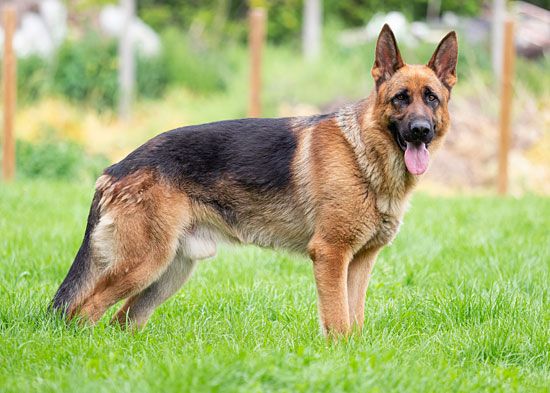
German Shepherd
The provided search results do not explicitly contrast the day-to-day training techniques for puppies versus adult German Shepherds; however, they do…
How do German Shepherd puppies differ in care and training needs compared to adult dogs?
The provided search results do not explicitly contrast the day-to-day training techniques for puppies versus adult German Shepherds; however, they do highlight specific developmental requirements for the breed.
Regarding care, a critical distinction is nutrition: German Shepherds should be fed a large-breed puppy food during their development. This is essential because research indicates that such diets promote a slower growth rate, which helps reduce the risk of hip dysplasia and other joint disorders.1
In terms of training, the breed is noted for high intelligence and a desire to work. While adult dogs require consistent guidance to ensure their protective instincts are properly channeled, the breed’s nature suggests that early, firm, and clear training is necessary to establish a healthy hierarchy and prevent the dog from becoming overly dominant. Without such structure, their natural vigilance can be misdirected, potentially leading to aggression toward people or other pets.1
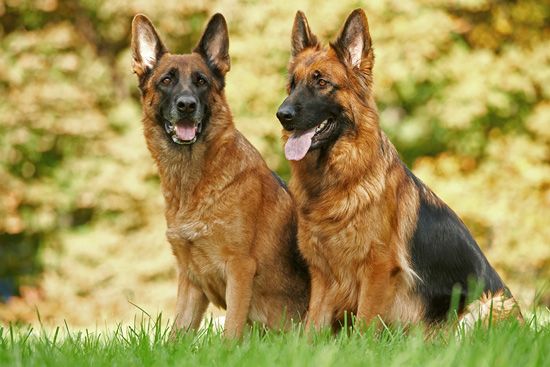
How were German Shepherd dogs originally bred, and for what purpose?
The German Shepherd was developed in Germany at the end of the 19th century, originating from traditional herding and farm dogs.2
The breed’s formal development was spearheaded by Max von Stephanitz, a cavalry captain who sought to create a dog defined by intelligence, energy, and a distinct, wolflike appearance. In 1899, he and his associates founded the Verein für Deutsche Schäferhunde (Association for German Shepherd Dogs) to oversee the breed’s refinement. They established rigorous utility standards, crossing carefully selected herding dogs from central and southern Germany to create a versatile working animal.2
While originally bred for herding, the breed’s physical strength, endurance, and keen intellect quickly made it ideal for a variety of roles. Today, these traits are highly valued in police work, military service, and as service animals, where they excel at tasks ranging from tracking and protection to search and rescue.12
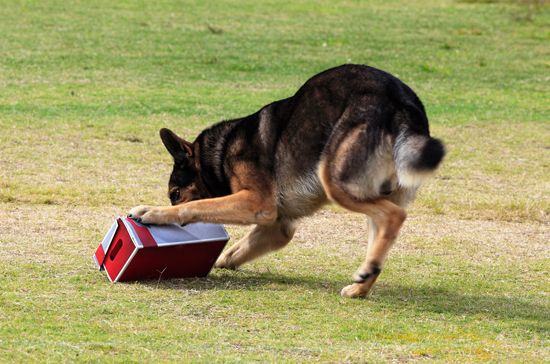
How do German Shepherd dogs perform in various working roles, such as police or service dogs?
German Shepherds are highly valued in professional roles due to their intelligence, physical strength, and unwavering work ethic. Their versatility allows them to excel in various demanding environments, including military, police, and service capacities.21
Performance in Working Roles
- Police and Military Work: These dogs are favored for patrol duties because they are athletic and robust, capable of apprehending suspects and navigating difficult terrain. Their keen sense of smell makes them exceptionally effective at detecting illegal drugs and explosives.2
- Protection and Guarding: German Shepherds are naturally vigilant and protective. They are trained to guard their handlers and respond appropriately to threats, making them reliable partners in high-stakes security situations.21
- Service and Assistance: Beyond law enforcement, the breed is widely used as a guide dog for the blind and as a service animal. Their loyalty and ability to learn complex tasks quickly allow them to provide essential support to their owners.1
- Search and Rescue: Their endurance and focus enable them to assist in search and rescue operations, where they can track individuals over long distances.1
What are some common misconceptions about German Shepherd dogs?
A common misconception about German Shepherds is that they are inherently aggressive or noisy. While they are vigilant and protective, they are not naturally overly excitable or prone to excessive barking. Any aggressive behavior toward people or other pets is often a result of a lack of proper training rather than an innate trait, and such behaviors can typically be corrected with consistent guidance.1
Another misconception is that they are difficult to manage. While it is true that their high intelligence means they can test a handler’s determination and may attempt to become the dominant member of the relationship without a firm hand, they are generally playful, energetic, and devoted family members who enjoy learning and respond well to clear, consistent training.1
Additionally, while they are often associated with police and protection work, it is a mistake to view them solely as guard dogs. Their versatility makes them excellent companions for children and seniors, as well as highly capable service animals and search-and-rescue partners.12
Sources
- German Shepherd — Encyclopædia Britannica
- Why are German shepherds police dogs? — Encyclopædia Britannica
- dysplasia — Encyclopædia Britannica
Published on · 3 min read