Glomma
The Glomma River has served as a vital artery for Norway’s economy and transportation for generations. As the longest river in Scandinavia, it flows through…
How has the Glomma River been historically important for Norway’s economy and transportation?
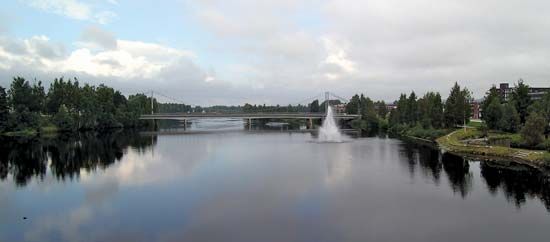
The Glomma River has served as a vital artery for Norway’s economy and transportation for generations. As the longest river in Scandinavia, it flows through the nation’s richest timber forests, historically facilitating the transport of logs by floating them downstream to industrial centers.1
Economic and Industrial Significance
The river is a cornerstone of Norway’s industrial infrastructure:
- Timber Industry: The Glomma supports extensive sawmills and paper mills, particularly around Sarpsborg, where timber harvested from the surrounding regions is processed.12
- Energy Production: It is a major source of hydroelectric power. Numerous dams and power plants along the river provide the electricity necessary to operate regional paper and cardboard mills.12
- Agriculture and Tourism: The river basin supports agriculture and livestock raising in the Østerdalen valley, while its waters provide popular fishing opportunities that bolster local tourism.2
Transportation
The Glomma is navigable from its mouth at the Oslo Fjord up to the Sarpsfoss (Sarps Falls) in Sarpsborg. To maintain efficiency, artificial channels known as flumes have been constructed to bypass falls and power plants, ensuring the continued movement of goods.1
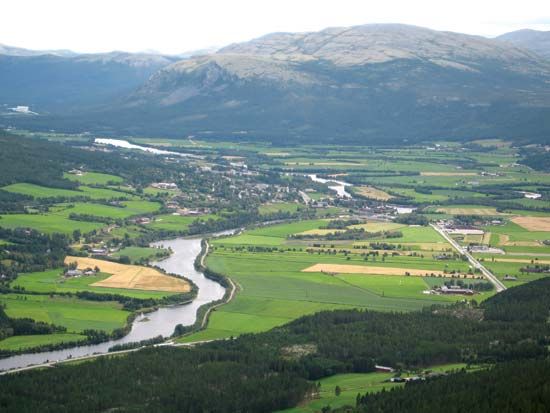
What is the Glomma River and where is it located in Norway?
The Glomma is the longest river in Scandinavia, stretching 372 miles through eastern Norway.
It originates near the Swedish-Norwegian border, southeast of Trondheim, where it drains from Aursunden lake. From there, the river flows southward through the Østerdalen valley to Kongsvinger, then shifts westward and southwestward into Øyeren lake. Its final stretch takes it southward to Sarpsborg before it empties into the Oslo Fjord at Fredrikstad.
Draining an area of 16,236 square miles, the river is a critical industrial resource, powering hydroelectric plants and facilitating the transport of timber from Norway’s richest forests.
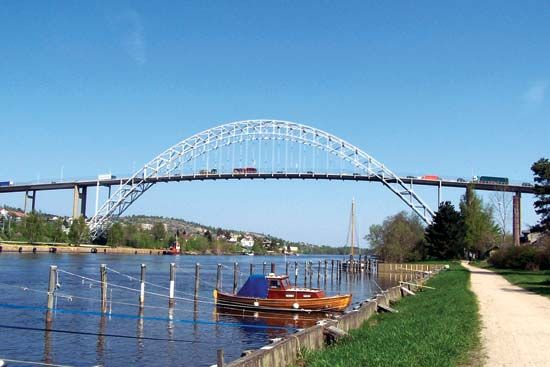
How long is the Glomma River and what major cities does it flow through?
The Glomma is the longest river in Scandinavia, spanning a total course of 372 miles (approximately 600 km).
As it flows southward through eastern Norway, the river passes through or near several notable locations, including:
- Kongsvinger: Located along the river’s path through the Østerdalen valley.
- Sarpsborg: A major industrial center where the river is navigable up to the Sarpsfoss (Sarps Falls).
- Fredrikstad: The city where the river finally empties into the Oslo Fjord.
What are the main tributaries of the Glomma River?
The main tributaries of the Glomma River are the Atna, the Rena, and the Vorma.1
The Vorma is particularly notable as it serves as the outlet for Lake Mjøsa and joins the Glomma at Årnes. The Vorma itself is fed by the Lågen River, which carries water from the Gudbrands Valley through its own set of tributaries, including the Otta, Sjoa, Vinstra, and Gausa rivers.2
Sources
- Glomma — Encyclopædia Britannica
- Lågen — Encyclopædia Britannica
- Østerdalen — Encyclopædia Britannica
Published on · 2 min read