Goldfish
Goldfish (Carassius auratus) originated in East Asia and were first domesticated by the Chinese during the Song dynasty (960–1279).
How did goldfish become popular as pets, and where did they originate?
Goldfish (Carassius auratus) originated in East Asia and were first domesticated by the Chinese during the Song dynasty (960–1279).1
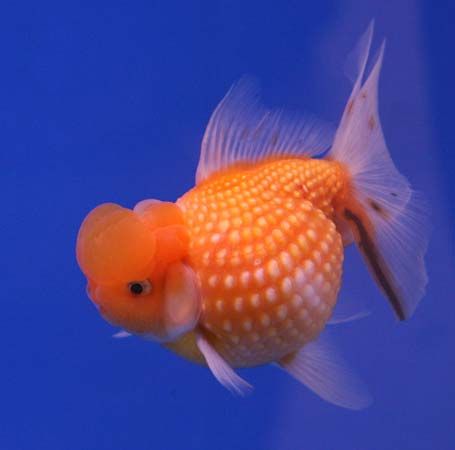
Their popularity as pets stems from their long history of selective breeding. While the species is naturally greenish-brown or gray, it is highly variable, often producing unique color mutations and physical abnormalities. Over the centuries, breeders have carefully selected these traits to develop more than 125 distinct breeds, ranging from the common comet to the ornamental lionhead and veiltail. This extensive history of human cultivation has transformed them from wild carp relatives into the diverse, ornamental aquarium and pond fish known today.1
What are the different varieties of goldfish, and how do they differ in appearance?
Goldfish (Carassius auratus) have been selectively bred for centuries, resulting in over 125 distinct breeds that exhibit a wide range of physical abnormalities and color variations. While the species is naturally greenish-brown or gray, domestic varieties can be black, white, spotted, or golden.1
Key varieties and their distinguishing features include:
- Common (Comet): The standard pet-shop variety, which retains a more traditional, streamlined body shape.1
- Veiltail: Characterized by a distinctive, three-lobed, flowing tail fin.1
- Lionhead: Notable for a swollen, fleshy growth or hood on the head.1
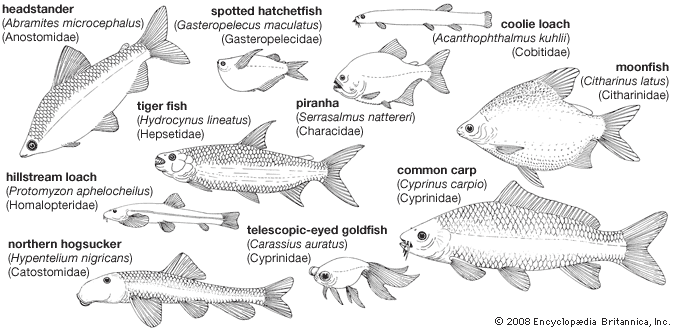
- Celestial: Distinguished by its unique, protruding eyes that are directed upward.1
These variations often involve the loss of the long dorsal fin or the development of unusual pigmentation, traits that breeders have intentionally isolated over generations. When these ornamental fish escape into the wild, they often revert to their original, natural coloration and can grow significantly larger than their aquarium counterparts.1
How long can goldfish live, and what factors influence their lifespan?
While pet goldfish have been known to live as long as 25 years, their average lifespan is significantly shorter.1
Several factors influence how long a goldfish lives, primarily related to their environment and care. In captivity, goldfish are omnivorous and thrive on a diet of small crustaceans, which can be supplemented with cereal and insect larvae like mosquito larvae. Proper maintenance of their aquarium or pond environment is essential for their health.1
Interestingly, when goldfish escape into the wild, they often revert to their natural greenish-brown or gray coloration and can grow much larger than their typical aquarium size of 5–10 centimeters, sometimes reaching up to 30 centimeters in length.1
How do goldfish change color when they return to the wild?
When domestic goldfish (Carassius auratus) escape into the wild, they undergo a process of naturalization that causes them to revert to their original, ancestral coloration of greenish-brown or gray.1
This transition is a form of morphological color change, which involves the gradual synthesis or destruction of biochromes or chromatophores over time, rather than the rapid, short-term physiological changes seen in some other species. While the specific biological mechanisms triggering this reversion in goldfish are not detailed in the provided search results, it is a well-documented outcome for the species when it moves from an aquarium environment to a wild habitat. In addition to this color shift, these fish often experience significant physical growth, increasing from their typical aquarium size of 5–10 centimeters to lengths of up to 30 centimeters.231
Sources
- goldfish — Encyclopædia Britannica
- coloration - Short-term changes — Encyclopædia Britannica
- coloration - Physiological control — Encyclopædia Britannica
Published on · 2 min read