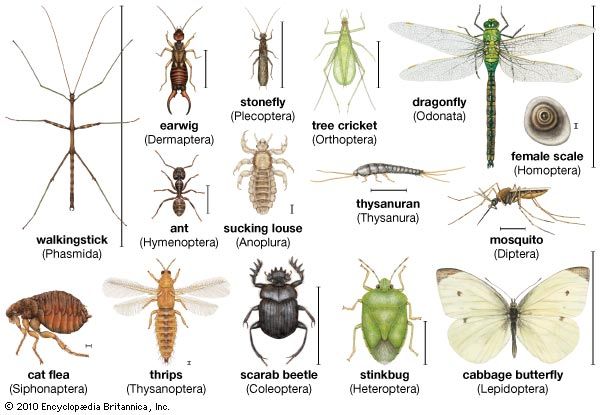
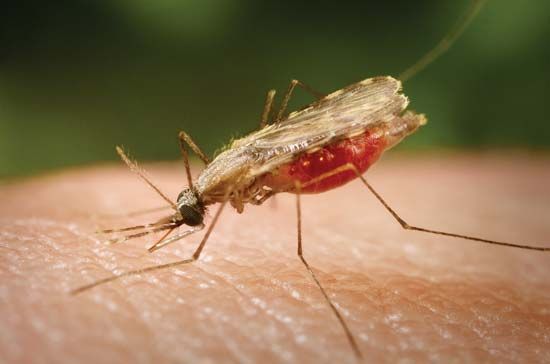
Mosquito
Mosquitoes locate their hosts by utilizing specialized sensory receptors to detect a variety of chemical and physical cues. These insects possess receptors…
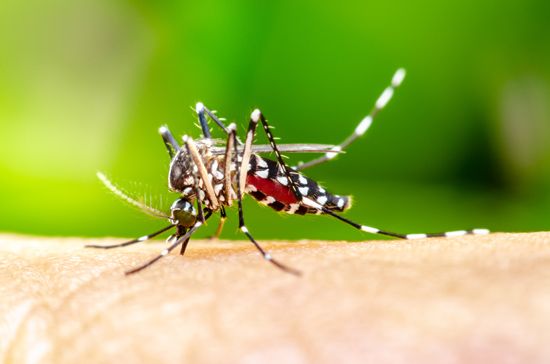
How do mosquitoes locate their prey and what attracts them to humans?
Mosquitoes locate their hosts by utilizing specialized sensory receptors to detect a variety of chemical and physical cues. These insects possess receptors on their antennae and maxillary palps that are highly sensitive to host-produced signals, which trigger takeoff and upwind flight toward a potential meal.123
Key factors that attract mosquitoes to humans include:
- Carbon Dioxide: Mosquitoes are highly sensitive to exhaled carbon dioxide, which acts as a primary activator and attractant.123
- Chemical Compounds: The lactic acid found in human sweat is a significant attractant.123
- Physical Cues: Mosquitoes are drawn to body heat and movement, making individuals who are physically active or have higher body temperatures more likely to be targeted.13
Once a mosquito reaches a host, skin chemicals may influence its behavior, and substances like adenosine triphosphate (ATP) released from red blood cells can act as stimulants to encourage feeding.2
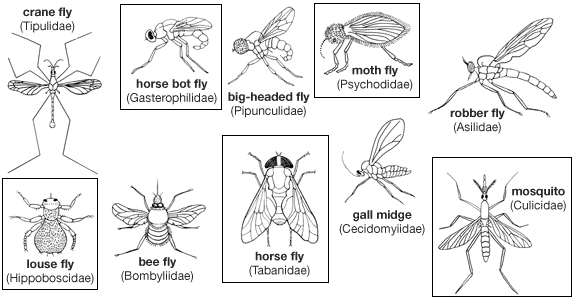
What diseases are commonly transmitted by mosquitoes and how does transmission occur?
Mosquitoes are significant vectors for a variety of serious illnesses. By acting as a bridge between hosts, they facilitate the spread of pathogens that cause substantial morbidity and mortality worldwide.4
Diseases Transmitted by Mosquitoes
Mosquitoes are known to transmit several dangerous diseases to humans, including:
- Malaria: A serious infection caused by Plasmodium parasites, transmitted primarily by Anopheles mosquitoes primarily by Anopheles mosquitoes.75
- Viral Diseases: These include dengue, yellow fever, Zika fever, chikungunya fever, West Nile virus, and encephalitis.678
- Other Conditions: Mosquitoes also spread filariasis in humans and various diseases to other animals, such as heartworm and avian malaria.8
How Transmission Occurs
Transmission is a biological process that occurs during the mosquito’s feeding cycle. When a female mosquito bites an infected host, it ingests blood containing pathogens. Later, when the mosquito bites a new, uninfected host, it passes those pathogens on.4
During the bite, the mosquito injects saliva into the host to prevent blood from clotting, which facilitates the transfer of the disease-causing agents. While Zika fever is primarily mosquito-borne, it can also be transmitted between humans in rare instances, such as through sexual contact, blood transfusion, or from mother to fetus.49
What role do mosquitoes play in various ecosystems?
Although often viewed primarily as pests, mosquitoes play vital roles in various ecosystems by serving as both pollinators and essential components of food webs.710
Ecological Contributions
- Pollination: In most species, male mosquitoes—and occasionally females—feed on nectar and plant juices. During this process, they act as pollinators for thousands of plant species.710
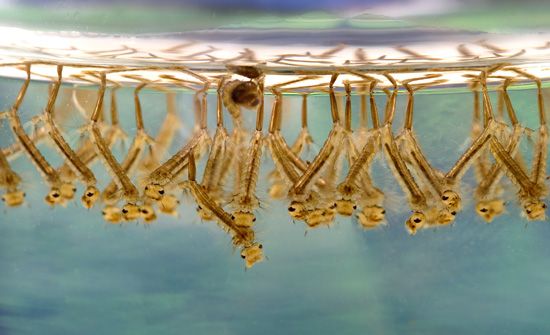
- Food Source: Mosquitoes are a significant source of biomass in many environments. Their eggs and larvae provide food for fishes, turtles, amphibians, and other insects, such as dragonflies. Adult mosquitoes are consumed by bats, birds, spiders, and lizards.710
- Environmental Influence: In tundra and subarctic regions, mosquito swarms can influence caribou migration patterns. By forcing caribou to favor windier areas to avoid bites, mosquitoes indirectly protect vegetation in lowlands and marshes from being overgrazed or crushed by herds.10
In specialized habitats like tank bromeliads, mosquito larvae are integral to the local food web, serving as both filter-feeders and prey for aquatic predators.11
How many species of mosquitoes exist, and where are they found?
There are approximately 3,500 species of mosquitoes worldwide.12
Geographic Distribution
Mosquitoes are found in nearly every part of the globe. They thrive particularly well in warm, humid environments and are especially abundant in tropical and subtropical regions. While they are also present in temperate zones—often surviving colder seasons by overwintering in the egg or adult stage—they are generally uncommon in extremely cold regions and are not found in Antarctica.125
Expansion and Climate
Mosquitoes are highly adaptable, and their geographic ranges are shifting due to anthropogenic climate change. Rising global temperatures, milder winters, and increased frequency of extreme weather events are expanding suitable habitats and creating more breeding grounds. Consequently, several species have already begun encroaching into novel areas at higher latitudes and altitudes.12
Sources
- Why are mosquitoes attracted to certain people? — Encyclopædia Britannica
- Chemoreception - Blood-feeding insects — Encyclopædia Britannica
- mosquito - Physical features and behavior — Encyclopædia Britannica
- Why do mosquitoes drink blood? — Encyclopædia Britannica
- mosquito - Aedes mosquitoes — Encyclopædia Britannica
- Aedes: Top Questions — Encyclopædia Britannica
- mosquito: Top Questions — Encyclopædia Britannica
- malaria — Encyclopædia Britannica
- Zika fever — Encyclopædia Britannica
- What Purposes Do Mosquitoes Serve in Ecosystems? — Encyclopædia Britannica
- Life in a bromeliad pool — Encyclopædia Britannica
- mosquito — Encyclopædia Britannica
- mosquito - Culex mosquitoes — Encyclopædia Britannica
- Anopheles: Top Questions — Encyclopædia Britannica
- Global warming - Environmental consequences of global warming — Encyclopædia Britannica
Published on · 3 min read