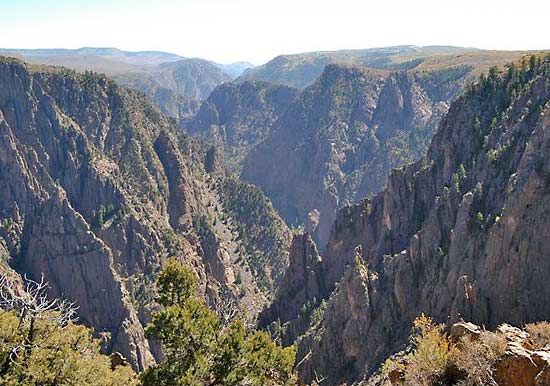
Great Sand Dunes National Park and Preserve
Great Sand Dunes National Park and Preserve features a diverse range of ecosystems, from its iconic dunes to high-altitude mountain terrain.
What unique flora and fauna can be found in Great Sand Dunes National Park?
Great Sand Dunes National Park and Preserve features a diverse range of ecosystems, from its iconic dunes to high-altitude mountain terrain.
Flora
The vegetation varies significantly by elevation:
- Lower Slopes: The base of the Sangre de Cristo Mountains is forested with pine, cottonwood, and aspen.
- Higher Elevations: As the terrain rises, these give way to spruce and fir forests.
- Alpine Zones: The highest areas support subalpine meadows and alpine tundra communities, which are known for their vibrant summer wildflowers.1
Fauna and Specialized Life
While the dunes themselves are harsh, they are not barren:
- Dune Inhabitants: Several types of grasses, various insects, and the kangaroo rat have adapted to survive on the more stable sections of the sand dunes.1
What is the significance of the Sangre de Cristo Mountains in relation to the Great Sand Dunes?
The Sangre de Cristo Mountains play a critical role in the formation and existence of the Great Sand Dunes National Park and Preserve.
The dunes were created by prevailing winds that travel across the San Juan Mountains and sweep through the San Luis Valley. As these winds carry sand particles toward the northeast, they encounter the steep western base of the Sangre de Cristo range. Because the winds are forced to surge upward to clear the mountains, they lose their energy and drop the sand at the foot of the range, resulting in the accumulation of the highest sand dunes in North America1.
Beyond their geological function, the mountains provide a diverse ecological backdrop to the park. The national preserve protects the western-slope watershed of the range, encompassing varied environments that range from forested lower slopes to high-altitude alpine tundra and glacial summits exceeding 13,000 feet.12
How were the sand dunes in this national park formed?
The sand dunes at Great Sand Dunes National Park and Preserve were formed by the interaction of prevailing winds and local topography.
Prevailing winds blow toward the northeast, traveling across the San Juan Mountains and sweeping down into the San Luis Valley. As these winds carry sand particles across the valley, they eventually encounter the steep western base of the Sangre de Cristo Mountains. Because the winds are forced to surge upward to clear the mountain range, they lose their energy and drop the sand at the foot of the mountains. This process has resulted in the accumulation of the highest sand dunes in North America, which feature ever-changing crests that can reach heights of 700 feet (215 metres).1
What recreational activities are available for visitors to the park?
The provided information regarding the Great Sand Dunes National Park and Preserve focuses on its geological formation, ecological diversity, and historical significance.
Unfortunately, the current knowledge base does not contain specific details regarding the recreational activities available to visitors at the park.
Sources
- Great Sand Dunes National Park and Preserve — Encyclopædia Britannica
- Sangre de Cristo Mountains — Encyclopædia Britannica
- sand dune - Dune and sheet patterns — Encyclopædia Britannica
- sand dune - Winds — Encyclopædia Britannica
- Great Sand Dunes National Park — Merriam-Webster
- North American Desert - Geology — Encyclopædia Britannica
- sand dune — Encyclopædia Britannica
Published on · 2 min read