Hardanger Fjord
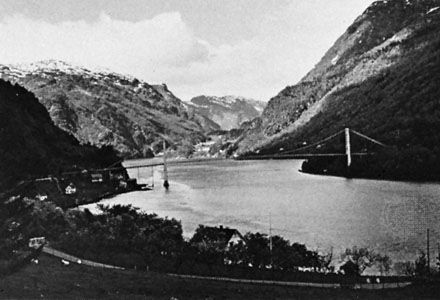
Hardanger Fjord, located in southwestern Norway, is renowned for its dramatic landscape and numerous natural attractions. The fjord is flanked by majestic…
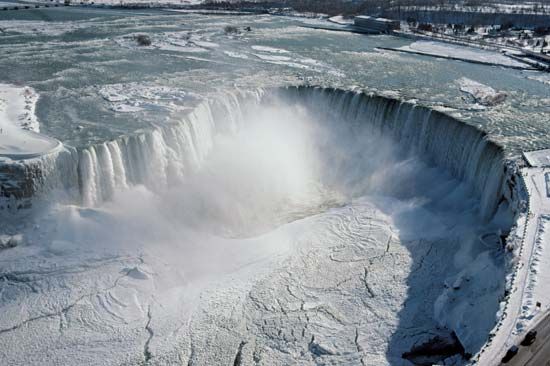
Are there any famous waterfalls or other natural attractions along Hardanger Fjord?
Hardanger Fjord, located in southwestern Norway, is renowned for its dramatic landscape and numerous natural attractions. The fjord is flanked by majestic mountains that reach heights of approximately 5,000 feet, from which many magnificent waterfalls descend.1
Among the most notable waterfalls in the region are:
- Vørings Falls: A popular tourist destination located near Eidfjord, featuring a significant drop of 476 feet (145 metres).21
- Skjeggedals Falls: Another prominent waterfall that contributes to the scenic beauty of the area.1
Beyond its waterfalls, the region offers several other natural highlights:
- Folgefonna Glacier: Visible from Sør Fjord, this glacier provides a stunning backdrop to the fjord’s clear waters.1
- Hardanger Plateau: The fjord extends inland toward this expansive plateau.1
- Branch Fjords: The area includes several smaller, scenic branches such as the Kvinnherads, Granvin, Sør, Eid, and Osa fjords.1
Where is Hardanger Fjord located in Norway?
Hardanger Fjord is located in southwestern Norway within the Vestlandet region. It serves as the country’s second-largest fjord, extending inland for 70 miles (113 km) in a northeastward direction from its entrance at Stord Island in the North Sea toward the Hardanger Plateau.42
What is the length and depth of Hardanger Fjord?
Hardanger Fjord extends inland for 70 miles (113 km) and reaches a maximum depth of 2,922 feet (891 metres).4
What cultural significance does Hardanger Fjord hold for Norwegians?
The Hardanger Fjord region holds significant cultural importance for Norway, serving as a namesake for several distinct national traditions and artistic expressions:
- Musical Heritage: The Hardanger fiddle, a regional instrument invented in the late 17th century, originates from this area. It is central to Norwegian folk music, featuring unique sympathetic strings that accompany traditional social dances like the gangar, halling, and springar.2
- Textile Arts: The term “Hardanger” refers to a specific style of embroidery of Norwegian origin. This needlework technique is characterized by geometric designs worked over counted threads.7
- Agricultural Identity: The sheltered inland areas of the fjord are renowned as rich fruit districts, particularly for their production of apples and cherries, which are iconic to the region’s landscape and economy.5
- Historical Architecture: The area preserves unique historical sites, such as the baronial mansion at Rosendal, which dates back to the 17th century and reflects the region’s long-standing cultural history.8
Sources
- Vørings Falls — Encyclopædia Britannica
- Hardanger Fjord — Encyclopædia Britannica
- Mardals Falls — Encyclopædia Britannica
- Sogn Fjord — Encyclopædia Britannica
- Vestlandet — Encyclopædia Britannica
- Norway - Relief — Encyclopædia Britannica
- hardanger — Merriam-Webster
- Hardanger fiddle — Encyclopædia Britannica
- Norway - Agriculture, forestry, and fishing — Encyclopædia Britannica
Published on · 2 min read