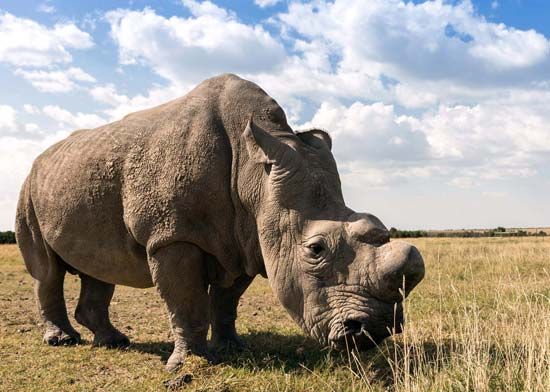
Hluhluwe Game Reserve
Hluhluwe Game Reserve is a nature reserve located in the northern KwaZulu-Natal province of South Africa. Established in 1897, the reserve covers 89 square…
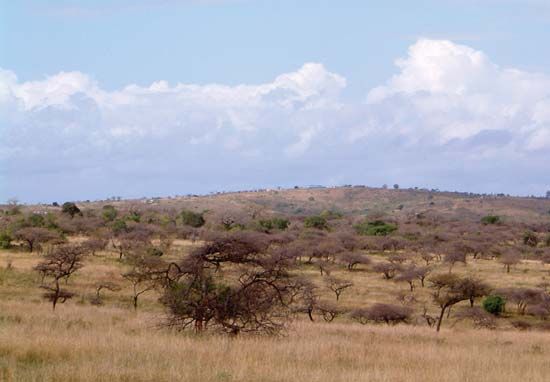
What is Hluhluwe Game Reserve?
Hluhluwe Game Reserve is a nature reserve located in the northern KwaZulu-Natal province of South Africa. Established in 1897, the reserve covers 89 square miles (231 square km) of subtropical, undulating hills and wooded valleys situated 140 miles northeast of Durban.1
The area is renowned for its conservation efforts, particularly for the black rhinoceros and the larger white rhinoceros. In addition to these species, the reserve supports a diverse array of wildlife, including buffalo, nyala, wildebeest, zebra, giraffe, and warthog, alongside a wide variety of bird species. The name “Hluhluwe” is derived from a Zulu word for a local thorny rope plant, and the reserve’s administrative headquarters are located at Mtubatuba.1
It is often associated with the neighboring Umfolozi Game Reserve, which also serves as a vital sanctuary for rhinoceros populations in the region.2
How did the reserve help save the white rhinoceros from extinction?
The Hluhluwe Game Reserve and the adjacent Umfolozi Game Reserve played a pivotal role in one of the most significant success stories in conservation. By the early 1900s, the population of the southern white rhinoceros had been decimated, with fewer than 100 individuals remaining in the wild.13
These reserves provided a protected sanctuary that allowed the species to recover from the brink of extinction. Through dedicated management and habitat protection, the population of the southern white rhinoceros saw a remarkable resurgence, growing from those precarious numbers to approximately 20,000 individuals by the 2020s. This recovery stands in stark contrast to the northern white rhinoceros, which has faced a much more tragic decline and is currently considered critically endangered, with only two females remaining.13
What is the difference between a black rhino and a white rhino?
The terms “black” and “white” rhinoceros are somewhat misleading, as both species are generally grayish to brownish in color. Despite their names, the primary differences between these two African species lie in their physical characteristics and dietary habits.3
Key Differences
- Muzzle Shape and Diet: The white rhinoceros (also known as the square-lipped rhinoceros) has a broad, square muzzle adapted for grazing on short grasses. In contrast, the black rhinoceros (or prehensile-lipped rhinoceros) possesses a pointed, hooked upper lip, which it uses as a selective browser to grasp leaves, twigs, and succulent plants.536
- Size: The white rhinoceros is significantly larger than the black rhinoceros. White rhinoceroses can weigh between 3 and 5 tons, while black rhinoceroses are smaller and more compact.36
- Social Behavior: White rhinoceroses are more social and are often found in groups of up to 10 individuals. Black rhinoceroses are typically solitary and are known for being ill-tempered and unpredictable, often charging at unfamiliar sounds or smells.56
- Habitat: While both occupy similar regions in Africa, the black rhinoceros is highly adaptable, frequenting diverse environments ranging from open plains and savannas to dense thickets and high-altitude mountain forests. The white rhinoceros is more dependent on surface water and prefers open bushveld areas.3
How does the nearby Umfolozi Game Reserve connect to Hluhluwe?
The Umfolozi Game Reserve is situated southwest of the Hluhluwe Game Reserve. While the provided information establishes their geographic proximity in northern KwaZulu-Natal, South Africa, they are often managed together as part of a larger protected ecosystem to support wildlife conservation efforts.2
Sources
- Hluhluwe Game Reserve — Encyclopædia Britannica
- Umfolozi Game Reserve — Encyclopædia Britannica
- southern white rhinoceros — Encyclopædia Britannica
- northern white rhinoceros — Encyclopædia Britannica
- rhinoceros — Encyclopædia Britannica
- perissodactyl - Rhinoceroses — Encyclopædia Britannica
Published on · 2 min read