Iki
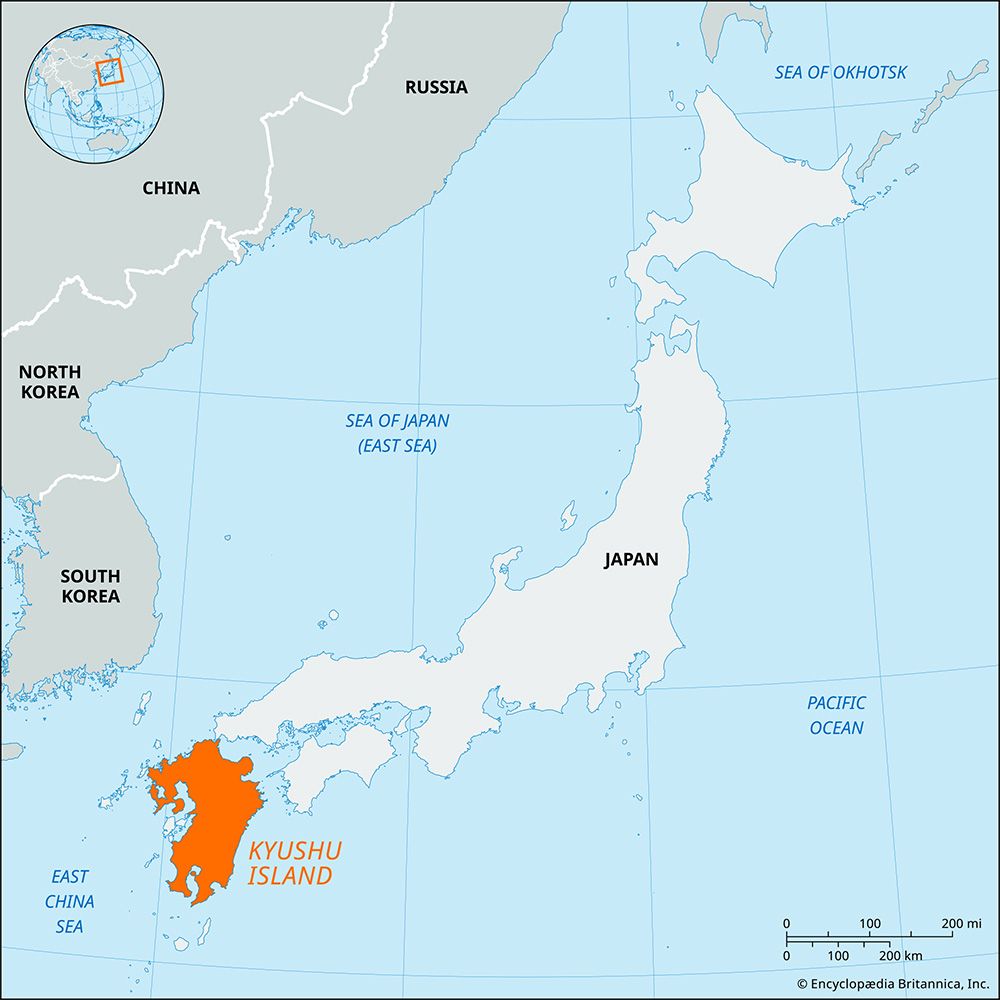
Iki is an island located in the north-central Nagasaki prefecture of western Kyushu, Japan.

What is Iki?
Iki is an island located in the north-central Nagasaki prefecture of western Kyushu, Japan.1
Situated in the Eastern Channel, approximately 10 miles (16 km) off the coast of Kyushu, the island covers 52 square miles (134 square km). The landscape is primarily tableland, supporting the cultivation of cereals, oranges, and tobacco, while the local fishing industry focuses on mackerel and cuttlefish. Historically, the island served as a significant gateway for the introduction of Chinese and Korean culture into Japan. The primary anchorages on the island are found at Gōnoura, Katsumoto, and Ashibe.1
What does the term ‘floating world’ mean in the context of Edo period culture?
In the context of Edo period culture, the term “floating world” (ukiyo) represents a significant shift in Japanese thought and social life. During medieval times, the word ukiyo was rooted in Buddhist philosophy, referring to the “sad world” or the transience of life. However, by the Edo period, it was written with a different Chinese ideogram to signify a “floating world” that embraced the buoyant, fleeting pleasures of urban life.63
This concept became the defining spirit of the era, focusing on the indulgence and entertainment found within the pleasure quarters of major cities like Edo, Osaka, and Kyoto. It celebrated the vibrant, ephemeral nature of existence, particularly through:63
- Art and Literature: The ukiyo-e (“pictures of the floating world”) movement captured scenes of brothel quarters, Kabuki theatre, and fashionable beauties. Similarly, ukiyo-zōshi (“tales of the floating world”) novels, such as those by Ihara Saikaku, provided realistic depictions of human desire, love, and profit.63
- Social Expression: The term reflected the unique urban spirit of commoners who sought to enjoy life despite the rigid social hierarchies and moral constraints imposed by the shogunate.3
How did the Edo period’s social structure influence Japanese art and fashion?
The social structure of the Edo period (1603–1867), defined by a rigid Neo-Confucian hierarchy that placed warriors at the top and merchants at the bottom, profoundly shaped Japanese art and fashion through both direct influence and reactive cultural movements.37
Influence on Art and Culture
While the shogunate promoted a strict social order, the economic prosperity of the merchant class—the lowest-ranked group—led to the rise of a vibrant urban culture that challenged these ideals. This tension between the prescribed social hierarchy and the reality of merchant wealth fueled the development of new artistic forms:37
- Ukiyo-e and Urban Themes: The “floating world” (ukiyo) culture emerged as a social safety valve, focusing on the pleasure quarters and theaters. Artists used wood-block printing to depict actors, courtesans, and the lives of ordinary people, creating a unique Japanese art form that appealed to the growing urban audience.87
- Literary and Dramatic Expression: Works by figures like Ihara Saikaku and Chikamatsu Monzaemon often explored the conflict between giri (duty/social consciousness) and ninjō (human feelings/love), reflecting the struggles of townspeople living under rigid moral constraints.8
Influence on Fashion and Regulation
The government frequently attempted to enforce class distinctions through sumptuary laws, which regulated the materials, colors, and styles of dress permitted for different social ranks. Despite these efforts to prevent extravagance among the lower classes, the period saw significant advancements in dyeing and weaving techniques. The kimono became increasingly colorful and sophisticated, particularly with the development of yūzen-zome (a rice-paste batik dyeing method), as urban dwellers sought to express their status and taste through fashion.9108
What are some other key aesthetic concepts in Japanese culture besides Iki?
Beyond iki, Japanese culture is defined by several profound aesthetic concepts that emphasize transience, simplicity, and the beauty of the imperfect. These ideals are deeply rooted in Buddhist and Taoist traditions, often favoring suggestion and depth over explicit statement.
Core Aesthetic Concepts
- Wabi-sabi: This is a dual concept often experienced together. Wabi refers to a cultivated simplicity, humility, and the beauty found in unadorned, rustic environments. Sabi celebrates the beauty of things that are old, faded, or worn, valuing the patina that time bestows upon objects. Together, they encourage an appreciation for the imperfect and the ephemeral, as seen in the art of kintsugi, where broken pottery is repaired with gold to highlight its history.1314
- Mono no aware: Often translated as “the sensitivity to the sadness of things,” this concept captures a touching intimation of transience. It reflects the awareness that all things are fleeting, finding beauty in the inevitable passing of moments and seasons.15
- Yūgen: Meaning “mystery and depth,” this ideal is central to Noh theatre. It describes a beauty that is subtle and elusive, suggesting a world that is invisible to the eye but can be evoked through movement, speech, and symbolic performance.1516
- Shibui: This term refers to a refined, understated aesthetic. It describes a quality of “astringent” beauty—an unassuming elegance where true refinement is hidden beneath a commonplace appearance, perceptible only to a cultivated taste.1417
Sources
- Sukiya style — Encyclopædia Britannica
- Iki — Encyclopædia Britannica
- Japan - Commerce, cities, and culture — Encyclopædia Britannica
- ikki — Encyclopædia Britannica
- Iwaki — Merriam-Webster
- Japanese art - Wood-block prints — Encyclopædia Britannica
- Japanese architecture - The Tokugawa , or Edo, period — Encyclopædia Britannica
- Sumptuary law — Encyclopædia Britannica
- Dress - Sumptuary laws — Encyclopædia Britannica
- samurai — Encyclopædia Britannica
- Japanese art - Tokugawa , or Edo, period — Encyclopædia Britannica
- Japanism — Encyclopædia Britannica
- Did you know? — Merriam-Webster
- aesthetics - Japan — Encyclopædia Britannica
- Japan - Aesthetics — Encyclopædia Britannica
- Japanese garden — Encyclopædia Britannica
- Japanese literature - The Muromachi (1338–1573) and Azuchi-Momoyama (1574–1600) periods — Encyclopædia Britannica
Published on · 4 min read