Irish Wolfhound
The Irish wolfhound is an ancient breed of dog recognized as the tallest of all canine breeds. Historically used in Ireland for hunting wolves and other…
What is Irish wolfhound?
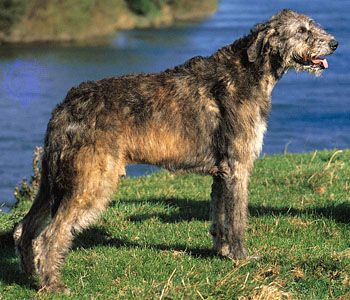
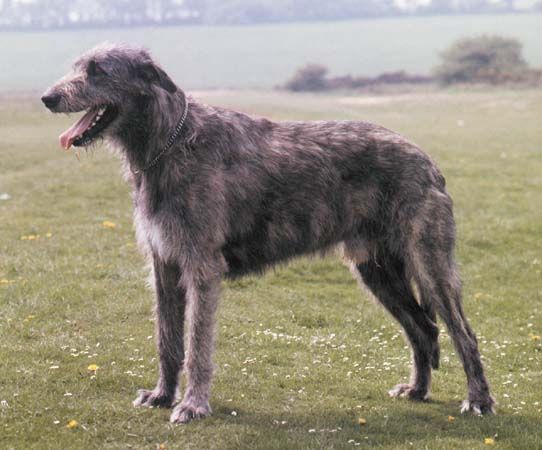
The Irish wolfhound is an ancient breed of dog recognized as the tallest of all canine breeds. Historically used in Ireland for hunting wolves and other game, these hounds are noted for their keen sight, speed, and immense strength.12
Physically, the breed is similar in build to a greyhound but is significantly more powerful. They possess a rough, wiry coat that comes in various colors, including gray, brindle, red-brown, black, and white. Males stand at least 32 inches (81 cm) tall and weigh a minimum of 120 pounds (54 kg), while females stand at least 30 inches (76 cm) and weigh at least 105 pounds (48 kg). Despite their imposing stature and history as hunters, they are valued today as gentle and even-tempered companions.132
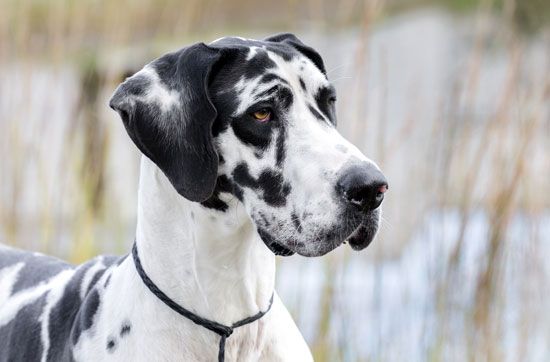
How does the Irish wolfhound compare to the Great Dane in size?
The Irish wolfhound is generally recognized as the tallest of all dog breeds, whereas the Great Dane is the tallest of the working breeds.31
In terms of height at the withers, the breeds compare as follows:
- Irish Wolfhound: Males stand at least 32 inches (81 cm) tall, and females stand at least 30 inches (76 cm).34
- Great Dane: This breed typically ranges from 28–32 inches (71–81 cm) tall.31
While the Irish wolfhound is considered the tallest breed overall, individual dogs of other breeds can occasionally exceed these standards; for example, the tallest individual dog on record was a Great Dane named Zeus, who stood 44 inches (112 cm) tall. Regarding weight, the Irish wolfhound is relatively svelte for its height, typically weighing 105–120 pounds (48–54 kg), while the Great Dane is generally heavier, with a weight range of 110–175 pounds (50–79 kg).341
What other dog breeds were historically used for hunting large game?
Throughout history, various dog breeds have been developed and utilized for hunting large or formidable game. While the Irish wolfhound was specifically bred to hunt wolves, other breeds were adapted for different environments and prey:
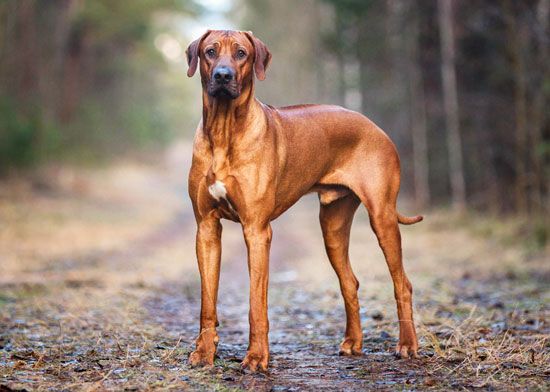
- Rhodesian ridgeback: This breed was historically developed in Africa for the purpose of hunting lions.15
- Borzoi: Known for its elegant appearance and speed, this sight hound was popular with Russian nobility and was historically used to course large game.15
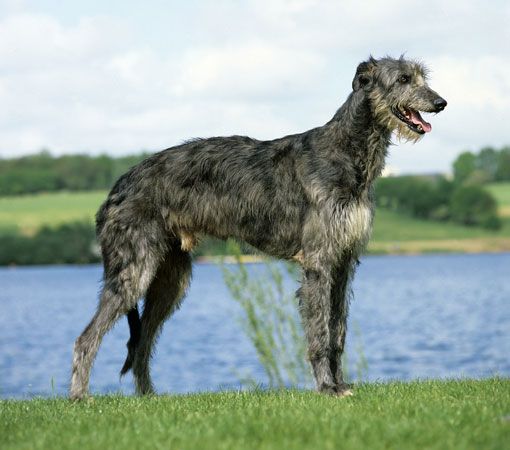
- Scottish deerhound: Similar in purpose to the Irish wolfhound, this breed was historically used for hunting deer.1
- Mastiff: While often used as guard or war dogs, these powerful animals were historically pitted against large, dangerous animals such as bears, lions, and tigers in the arenas of ancient Rome and in later baiting sports in England.6
These breeds demonstrate the diverse ways humans have utilized canine strength, speed, and sensory abilities to assist in the pursuit of large game across different cultures and eras.
What are some common health challenges for giant dog breeds?
Giant dog breeds face several specific health challenges, often linked to their rapid growth rates and large physical stature. Understanding these risks is essential for providing proper care.
Common Health Challenges
- Gastric Dilatation Volvulus (GDV): Also known as bloat, this is a life-threatening emergency common in giant breeds like Great Danes. It occurs when the stomach twists in the abdominal cavity, cutting off blood supply and filling with gas. Symptoms include restlessness, unsuccessful attempts to vomit, and abdominal swelling.39
- Orthopedic Issues: Large breeds are frequently at risk for hip dysplasia, a progressive condition where the hip joint fails to develop properly, leading to pain, lameness, and arthritis. They may also develop elbow dysplasia and other bone and joint complications.310
- Cancer: Research suggests that large-breed dogs are at a higher risk for certain types of cancer, such as osteosarcomas and lymphomas, potentially due to their accelerated rate of maturity and abnormal cellular growth.310
- Heart Conditions: Some giant breeds are predisposed to malformations of the heart muscle and valves, which can impact their circulatory health.310
Sources
- Irish wolfhound — Encyclopædia Britannica
- Irish wolfhound — Merriam-Webster
- What is the Tallest Dog Breed? — Encyclopædia Britannica
- Great Dane — Encyclopædia Britannica
- dog - Hounds — Encyclopædia Britannica
- Mastiff — Encyclopædia Britannica
- hound — Encyclopædia Britannica
- hunting - Dogs — Encyclopædia Britannica
- dog - Ailments — Encyclopædia Britannica
- Why do small dogs live longer? — Encyclopædia Britannica
- bloat — Merriam-Webster
Published on · 3 min read