Great Dane
The Great Dane has an average lifespan of 7 to 10 years. This relatively short life expectancy is characteristic of "huge" dog breeds (those weighing 91…
What is the average lifespan of a Great Dane, and how does it compare to other large dog breeds?
The Great Dane has an average lifespan of 7 to 10 years. This relatively short life expectancy is characteristic of “huge” dog breeds (those weighing 91 pounds or more), which typically live between 6 and 10 years. In contrast, smaller dog breeds (20 pounds or less) often live significantly longer, with an average lifespan of 10 to 20 years.12
The disparity in longevity between Great Danes and smaller breeds is attributed to several factors. While larger body size usually correlates with longer life in most mammals, the opposite is true for dogs. Researchers suggest that the accelerated rate of maturity in large-breed dogs may increase their risk of developing cancer and other disorders related to abnormal cellular growth. Furthermore, Great Danes are specifically prone to health issues such as gastric dilatation volvulus (bloating) and cardiomyopathy, which can impact their overall life expectancy.2314
What are some challenges in training Great Danes, and what methods work best?
Training a Great Dane presents unique challenges primarily due to the breed’s immense size and strength, which can make them difficult for children or seniors to manage physically. While they are generally friendly and affectionate, they are not quick responders to commands, requiring patience and consistency from their owners.1
Training Methods and Considerations
- Positive Reinforcement: Because Great Danes are intelligent and eager to please, they respond well to positive, reward-based training. Engaging them in activities like trick training, hiking, and games of tug can be highly effective for mental and physical stimulation.1
- Early Socialization: Given their role as intimidating watchdogs, early and consistent socialization is essential to ensure they remain the friendly, dependable companions they are known to be.1
- Physical Limitations: It is crucial to avoid high-impact exercise, such as running, until the dog is at least two years old to protect their developing bones. While they enjoy agility, their size makes standard obstacles challenging, so training should be adapted to their physical capabilities.1
- Consistency: Since they are not naturally fast responders, owners should focus on clear, repetitive, and patient instruction rather than expecting immediate, high-speed obedience.1
What are some common health concerns associated with Great Danes, and how can they be managed?
Great Danes are prone to several significant health concerns, many of which are linked to their large size. Understanding these risks and implementing proactive management strategies is essential for their well-being.
Common Health Concerns
- Gastric Dilatation Volvulus (GDV): Often called “bloat,” this is a potentially fatal condition where the stomach twists within the abdominal cavity, cutting off blood supply.15
- Cardiomyopathy: This is a common heart disease in the breed, involving malformations of the heart muscle.15
- Hip Dysplasia: A progressive orthopedic condition where the hip joint fails to develop properly, leading to arthritic changes, pain, and lameness.15
- Genetic Conditions: Breeding “double merles” can result in serious vision and hearing impairments.1
Management Strategies
- Preventing GDV: Owners can serve smaller, more frequent meals throughout the day to reduce the risk of bloat. Many owners also elect to have a surgical procedure performed to attach the stomach to the abdominal wall.1
- Growth Management: Feeding Great Dane puppies a specialized large-breed puppy food helps slow their growth rate, which has been shown to lower the risk of developing hip dysplasia.1
- Veterinary Care: Because GDV is a medical emergency, owners should be vigilant for symptoms such as restlessness, unsuccessful attempts to vomit, or abdominal swelling, and seek immediate veterinary intervention. Regular checkups are also vital for monitoring heart health and overall development.15
What are the physical characteristics that make Great Danes stand out among other dog breeds?
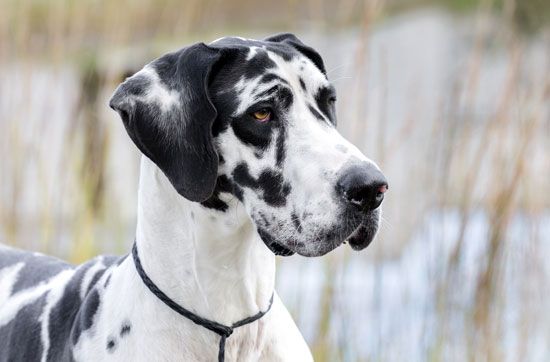
The Great Dane is a working dog distinguished by several notable physical characteristics that contribute to its elegant and imposing appearance:
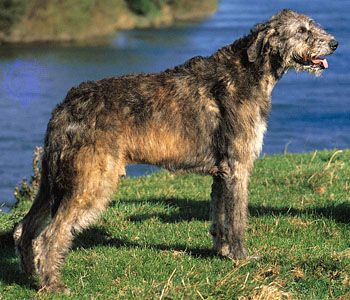
- Stature: As one of the tallest dog breeds, the Great Dane typically stands between 28 and 32 inches (71–81 cm) at the withers and weighs between 110 and 175 pounds (50–79 kg). While the Irish Wolfhound is generally recognized as the tallest breed, individual Great Danes have held records for the tallest dog ever measured.17
- Head and Body: The breed is characterized by a massive, square-jawed head and body lines that provide an elegant, athletic silhouette.17
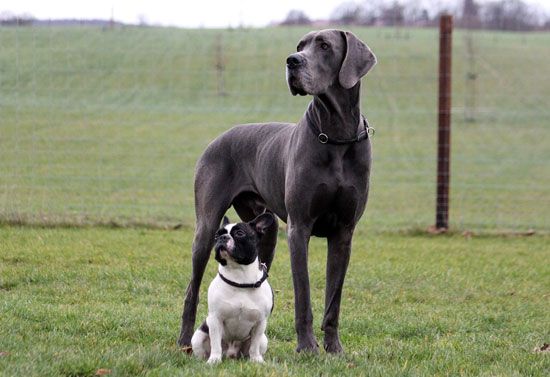
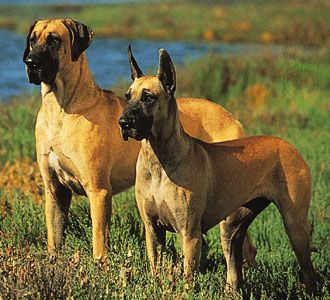
- Coat Varieties: Their short coats come in a diverse range of colors and patterns, including black, fawn (golden brown), brindle, blue-gray, harlequin (white with black patches), and mantle (white with a black “blanket”). Fawn and brindle varieties are distinguished by a black mask.1
These physical traits, combined with their history as hunters, create a powerful yet graceful presence that sets them apart from other breeds.17
Sources
- Great Dane — Encyclopædia Britannica
- Calculating dog years — Encyclopædia Britannica
- Why do small dogs live longer? — Encyclopædia Britannica
- dog - Ailments — Encyclopædia Britannica
- hip dysplasia: Top Questions — Encyclopædia Britannica
- hip dysplasia — Encyclopædia Britannica
- What is the Tallest Dog Breed? — Encyclopædia Britannica
- dog - General characteristics — Encyclopædia Britannica
Published on · 4 min read