Scottish Deerhound
The Scottish deerhound, often referred to as the "royal dog of Scotland," is a historic breed known since the 16th century. Historically, it was the…
What is Scottish deerhound?
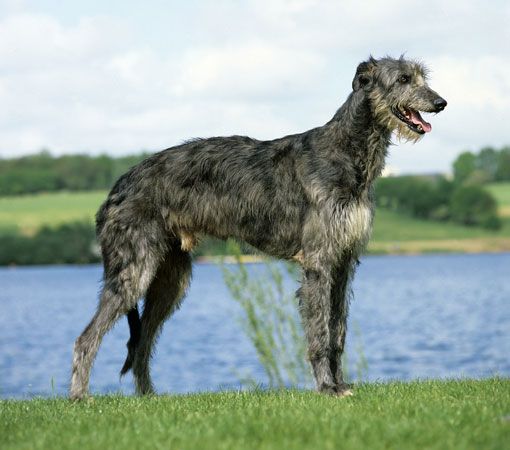
The Scottish deerhound, often referred to as the “royal dog of Scotland,” is a historic breed known since the 16th century. Historically, it was the exclusive property of the nobility, who valued the breed for its exceptional ability to hunt Scottish stags.1
Physically, the Scottish deerhound shares a similar build with the greyhound, though it is larger, taller, and more heavily boned. The breed typically stands between 28 and 32 inches (71 to 81 cm) tall and weighs between 75 and 110 pounds (34 to 50 kg). Its appearance is characterized by a shaggy, harsh, and wiry coat that ranges in color from blue-gray to yellow-brown.12
While the Scottish deerhound is a formidable, swift, and strong hunter, it is also recognized for being a gentle and loyal companion. As a dog breed, it remains a notable example of specialized working dogs developed for specific terrain and game.1
How does the Scottish deerhound compare to a greyhound?
The Scottish deerhound and the greyhound share a similar general build, as both are members of the sight hound group, which was developed to chase game by sight. However, they differ significantly in size, bone structure, and coat characteristics:123
- Size and Build: The Scottish deerhound is larger, taller, and more heavily boned than the greyhound. While a greyhound typically stands 25 to 27 inches tall and weighs 60 to 70 pounds, the Scottish deerhound stands 28 to 32 inches tall and weighs between 75 and 110 pounds.123
- Coat: The greyhound is known for its short, smooth coat and sleek, muscled body. In contrast, the Scottish deerhound possesses a harsh, wiry, and shaggy coat that ranges in color from blue-gray to yellow-brown.312
- Purpose: Both breeds are dedicated hunting dogs, but they were historically adapted for different environments and tasks; the Scottish deerhound was specifically prized by the nobility for hunting Scottish stags.13
What other dog breeds were historically used for hunting?
Many dog breeds have been historically developed for hunting, categorized primarily by whether they track game by sight or scent, or serve as gun dogs to assist in locating and retrieving birds.54
Sight Hounds
These breeds were developed to chase game over long distances using their vision. Notable examples include:4
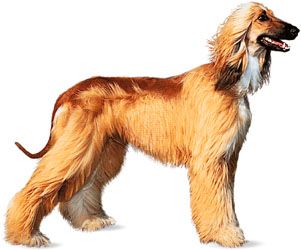
- Afghan Hound: Known for its regal appearance and long, silky coat.4
- Borzoi: A large, elegant breed favored by Russian nobility.4
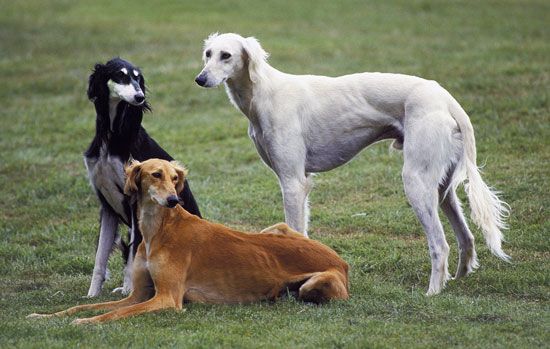
- Saluki: Often called the “royal dog of Egypt,” it is one of the oldest known domesticated breeds.4
- Whippet: A medium-sized, powerful dog developed for chasing rabbits.4
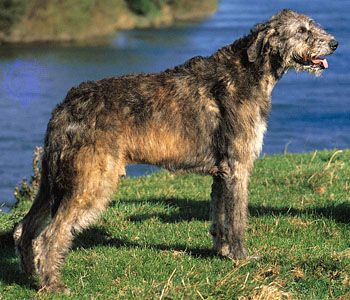
- Irish Wolfhound: The tallest dog breed, known for its wiry coat.4
Scent Hounds
These dogs track game using their sense of smell. Examples include:4
- Bloodhound: Renowned for its exceptional tracking ability.4
- Beagle: A solid, small-sized breed that excels at rabbit hunting.4
- Basset Hound: A heavy-boned, short-legged breed developed in France.4
- Black and Tan Coonhound: Used primarily for tracking and treeing raccoons.4
Gun Dogs
These breeds, including spaniels, setters, and pointers, work to locate, flush, and retrieve birds for the hunter.5
Why were these dogs once restricted to the nobility?
The restriction of certain dog breeds, such as the Scottish deerhound, to the nobility was rooted in the feudal structure of society and the evolution of hunting as a status-driven activity.
In feudal times, the right to hunt became intrinsically linked to land ownership, which was the primary domain of the nobility. Because hunting was a prestigious pursuit for the ruling class, the dogs capable of taking down large, prized game—like the Scottish stag—became symbols of status and power. The Scottish deerhound, for instance, was known as the “royal dog of Scotland” and was held as the exclusive property of the nobility, who valued its strength and speed in the hunt.110
Furthermore, as hunting transitioned from a means of survival to a recreational sport for the elite, the ownership of specialized hunting dogs served to reinforce social hierarchies. While some breeds were developed for practical tasks like herding or pest control, others were selectively bred and maintained by noble families as markers of their wealth, land rights, and hereditary authority.17
Sources
- Scottish deerhound — Encyclopædia Britannica
- Scottish deerhound — Merriam-Webster
- dog - Hounds — Encyclopædia Britannica
- hound — Encyclopædia Britannica
- hunting - Dogs — Encyclopædia Britannica
- scent hound — Merriam-Webster
- dog - Origin of breeds — Encyclopædia Britannica
- What dog is closest in DNA to a wolf? — Encyclopædia Britannica
- staghound — Merriam-Webster
- hunting - Later history — Encyclopædia Britannica
Published on · 3 min read