Ironwood Forest National Monument
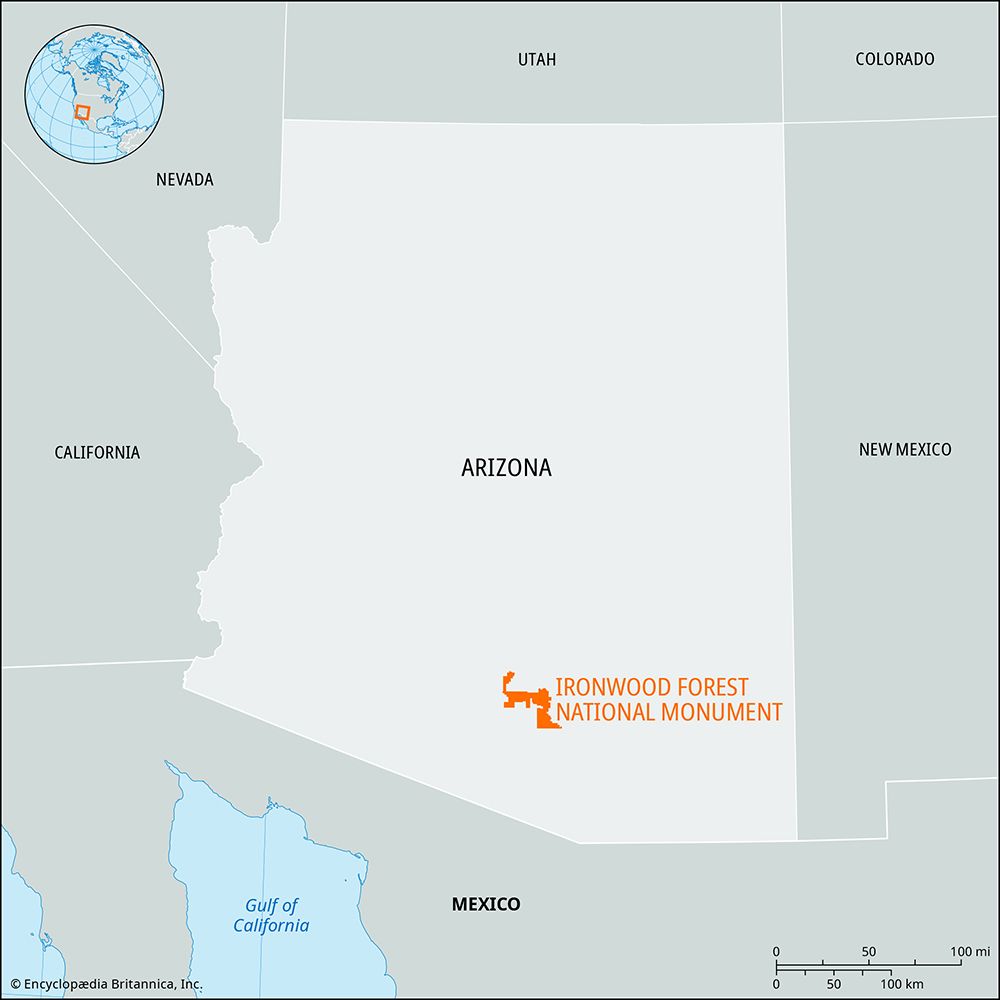
The Ironwood Forest National Monument is an ecologically diverse region of the Sonoran Desert that supports a wide array of desert life.
What types of flora and fauna can be found in the Ironwood Forest National Monument?
The Ironwood Forest National Monument is an ecologically diverse region of the Sonoran Desert that supports a wide array of desert life.
Flora
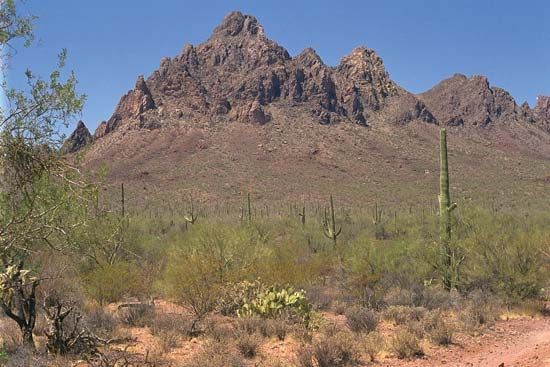
The monument is named for its significant stands of desert ironwood trees (Olneya tesota), which act as “nurse plants” by providing shelter and protection for other vegetation. Other prominent plant species found in the monument’s semidesert grassland and desert upland habitats include:
- Saguaro
- Paloverde
- Cholla
- Ocotillo
- Mesquite
- Creosote1
Fauna
The area provides habitat for approximately 675 animal species, including a variety of birds and reptiles. Notable wildlife includes:
- Desert bighorn sheep
- Endangered species such as the desert tortoise and the cactus ferruginous pygmy owl1
The region, particularly around Ragged Top Mountain, is recognized for its especially rich biological diversity.1
What cultural and historical significance does the Ironwood Forest National Monument hold?
The Ironwood Forest National Monument, located in southern Arizona, holds significant historical and cultural value, preserving evidence of human presence spanning 5,000 years.1
Archaeological Significance
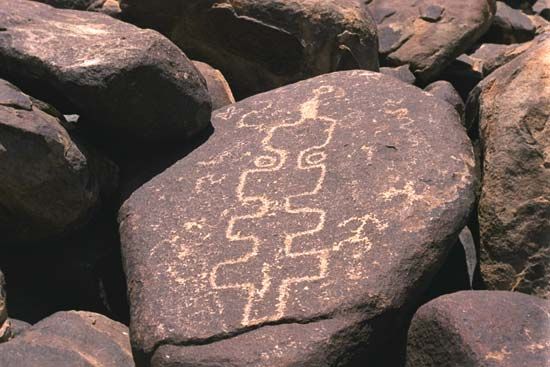
The monument protects more than 200 archaeological sites that offer a window into the region’s past. Notably, Cocoraque Butte contains the ruins of prehistoric villages, along with pottery and petroglyphs that date back to the Hohokam culture, which thrived in the area between 500 and 1450 CE.1
Cultural Heritage
The land is deeply significant to the Tohono O’odham and Hopi peoples, reflecting a long-standing connection to the environment. Historically, native inhabitants utilized the desert ironwood tree—a species central to the monument’s identity—for both food and medicinal purposes.1
While the monument is primarily used today for cattle grazing, it remains a vital repository of cultural heritage, safeguarding ancient sites and the traditional ecological knowledge of the region’s Indigenous peoples.1
How does the Bureau of Land Management manage the Ironwood Forest National Monument?
The Bureau of Land Management (BLM) oversees the Ironwood Forest National Monument with a focus on balancing resource preservation with multiple-use activities. Established in 2000, the monument covers approximately 200 square miles of the Sonoran Desert and is managed to protect its significant biological diversity and over 200 archaeological sites, including those associated with the Hohokam culture.1
Under the administration of the BLM, the monument’s management framework includes the following:
- Land Use: The land is primarily utilized for cattle grazing.1
- Recreational Access: While there are no formal visitor facilities provided, the BLM permits activities such as hunting and camping within the monument boundaries.1
- Conservation: Management efforts prioritize the protection of the desert ironwood tree (Olneya tesota) and the diverse habitat it provides for approximately 675 animal species, including endangered species like the desert tortoise and the cactus ferruginous pygmy owl.1
How was Ironwood Forest National Monument established, and when?
The Ironwood Forest National Monument was established in 2000 to protect an ecologically diverse region of the Sonoran Desert in southern Arizona.1
The monument was created to safeguard a significant stand of desert ironwood trees (Olneya tesota), which serve as vital “nurse plants” for the local ecosystem, as well as to preserve over 200 archaeological sites that document 5,000 years of human history, including the Hohokam culture.1
Sources
- Ironwood Forest National Monument — Encyclopædia Britannica
- Ironwood — Encyclopædia Britannica
Published on · 3 min read