Island of Mozambique
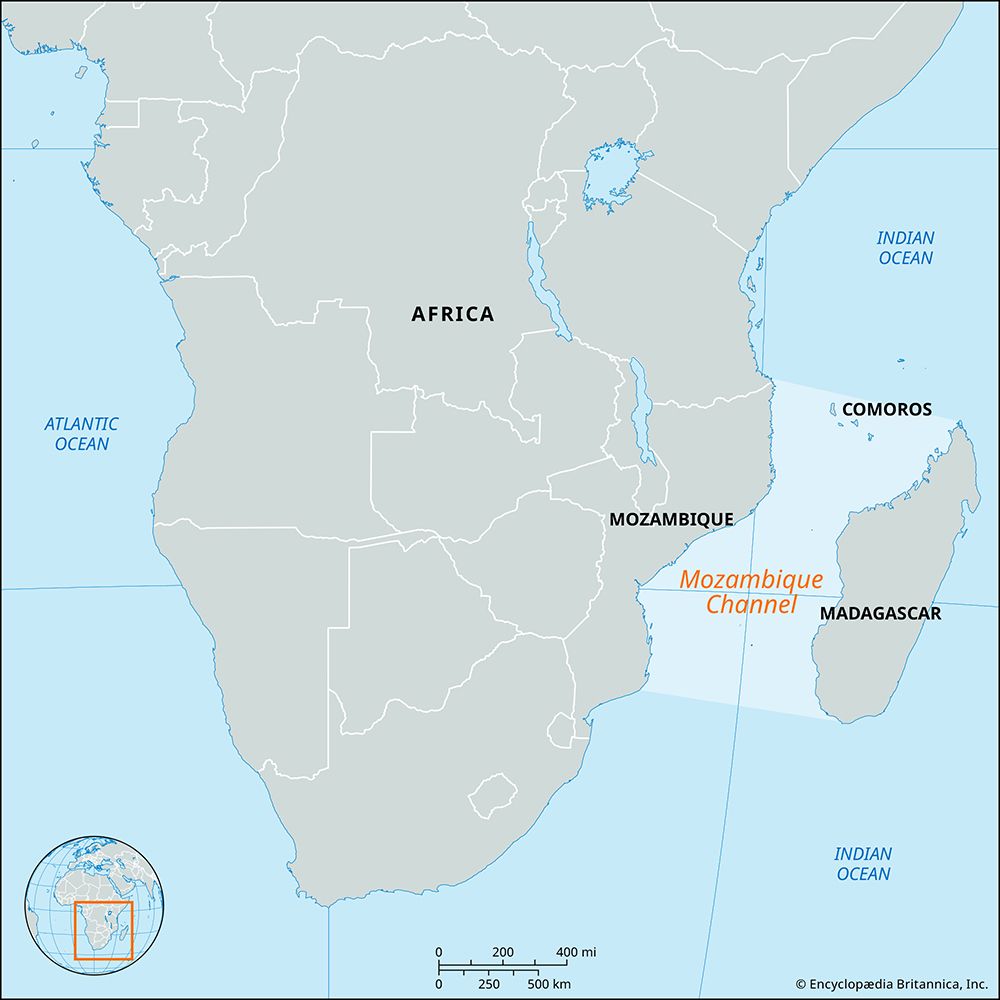
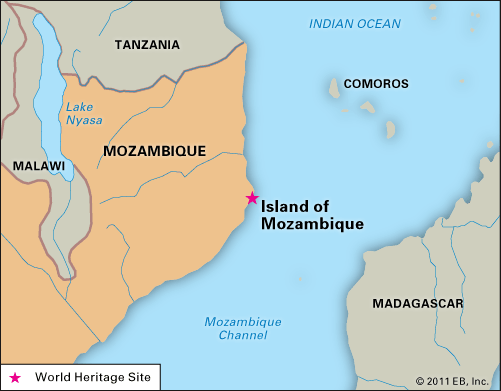
The Island of Mozambique is a small coral island situated at the mouth of Mossuril Bay within the Mozambique Channel of the Indian Ocean. It is administered…
What is the geographic location of the Island of Mozambique and how big is it?
The Island of Mozambique is a small coral island situated at the mouth of Mossuril Bay within the Mozambique Channel of the Indian Ocean. It is administered as part of Nampula province in northern Mozambique and has been connected to the mainland by a bridge since 1967.1
Regarding its size, the provided search results do not specify the exact land area or dimensions of the Island of Mozambique. It is described generally as a “small” island, and it is distinct from the larger Bazaruto Island, which is located further south.213
Who were the first inhabitants of the Island of Mozambique?
The historical record indicates that the Island of Mozambique served as a maritime trading center for Arab merchants from the 10th century until the late 15th century, when the Portuguese arrived.6
While colonial-era narratives often suggested that the region’s history began with European arrival, archaeological research confirms that complex communities had existed in the broader region long before the 16th century. From at least the 3rd century CE, Bantu-speaking peoples—who practiced agriculture and animal husbandry—migrated into the area, establishing sophisticated social and economic structures.738
However, the specific identity of the very first inhabitants to settle on the island itself prior to its use as an Arab trading post is not explicitly detailed in the provided search results. We know that by the time Vasco da Gama landed there in 1498, the island was already established as a significant hub for trade and politics within the Indian Ocean world.96
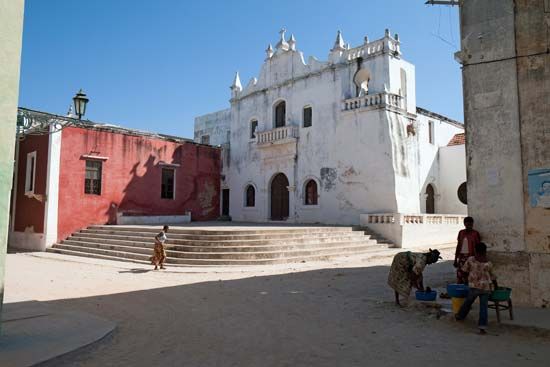
How does the Island of Mozambique’s location affect its climate and natural environment?
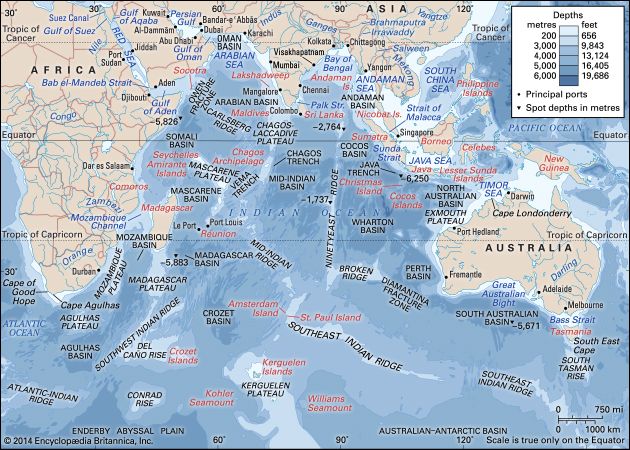
The Island of Mozambique’s location within the Mozambique Channel of the Indian Ocean plays a significant role in shaping its climate and environment. As a small coral island, its conditions are heavily influenced by the surrounding tropical maritime environment and regional ocean currents.10
The island is subject to the seasonal influence of the Indian Ocean monsoon rains, which bring warm, humid conditions to the region. This climate is further moderated by the Mozambique Current, a warm surface current that flows through the channel. This current is driven by the southeast trade winds and the Earth’s rotation, funneling water between the African mainland and Madagascar. The presence of this warm current helps maintain the tropical temperatures characteristic of the area, where daily averages typically remain in the mid- to upper 70s °F (lower to mid-20s °C).1112
Because the island is a small landmass situated in a major maritime corridor, it is fully exposed to these oceanic patterns, which dictate the humidity and precipitation levels experienced by the local ecosystem.1110
What are the main cultural and architectural attractions on the Island of Mozambique?
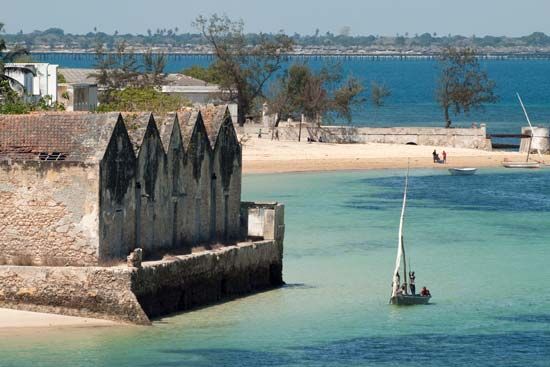
The Island of Mozambique is renowned for its unique architectural unity, which blends Arab, Indian, and Portuguese influences. This homogeneity is achieved through the consistent use of locally quarried limestone, indigenous wood, and palm leaves, alongside a traditional preference for symmetrical, six-roomed, rectangular structures with flat roofs.3
Key Architectural and Cultural Landmarks
- Fort of St. Sebastian: Begun in the mid-16th century, this massive structure is a prime example of Italian Renaissance architecture and famously withstood a Dutch attack in 1607.3
- Religious Sites: Notable structures include the chapel of Our Lady of the Ramparts (1522), the church of Our Lady of Mercy (1635), a 19th-century mosque, and an impressive 19th-century Hindu temple.3
- Civic and Historic Buildings: The island features the neoclassical hospital (1877), the symmetrical quadrilateral town market (1887), and St. Paul’s Palace (1674), which served as the governor’s residence and is now a museum.3
Designated a World Heritage site in 1991, the island remains a significant cultural center, with ongoing conservation efforts supported by UNESCO.3
Sources
- Mozambique: Country Facts — Encyclopædia Britannica
- Bazaruto Island — Encyclopædia Britannica
- Island of Mozambique — Encyclopædia Britannica
- list of islands - Mozambique — Encyclopædia Britannica
- Mozambique - Land — Encyclopædia Britannica
- history of Mozambique - Arrival of the Portuguese — Encyclopædia Britannica
- Mozambique - Early settlement — Encyclopædia Britannica
- Mozambique - History of Mozambique — Encyclopædia Britannica
- history of Mozambique - Precolonial period of Mozambique — Encyclopædia Britannica
- Mozambique - Climate of Mozambique — Encyclopædia Britannica
- Mozambique Current — Encyclopædia Britannica
- Mozambique Channel — Encyclopædia Britannica
- Why Are Hurricanes Rare in Hawaii? — Encyclopædia Britannica
Published on · 3 min read