Mozambique Current
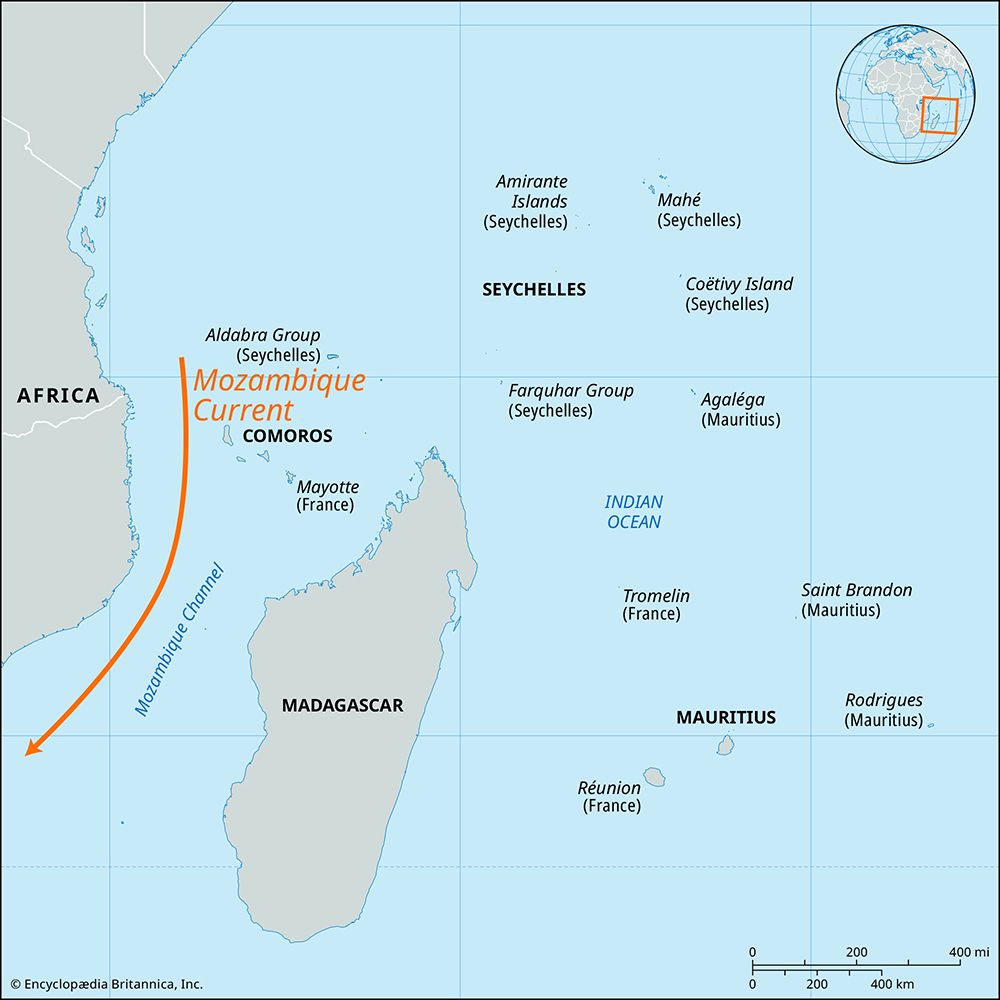
The Mozambique Current is a relatively warm surface ocean current located in the western Indian Ocean.
What is Mozambique Current?
The Mozambique Current is a relatively warm surface ocean current located in the western Indian Ocean.1
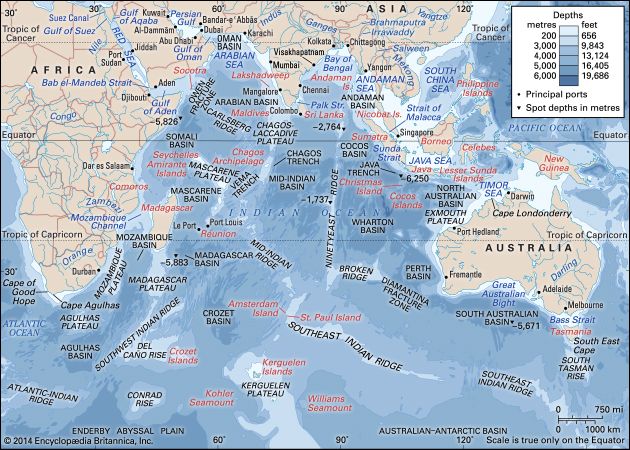
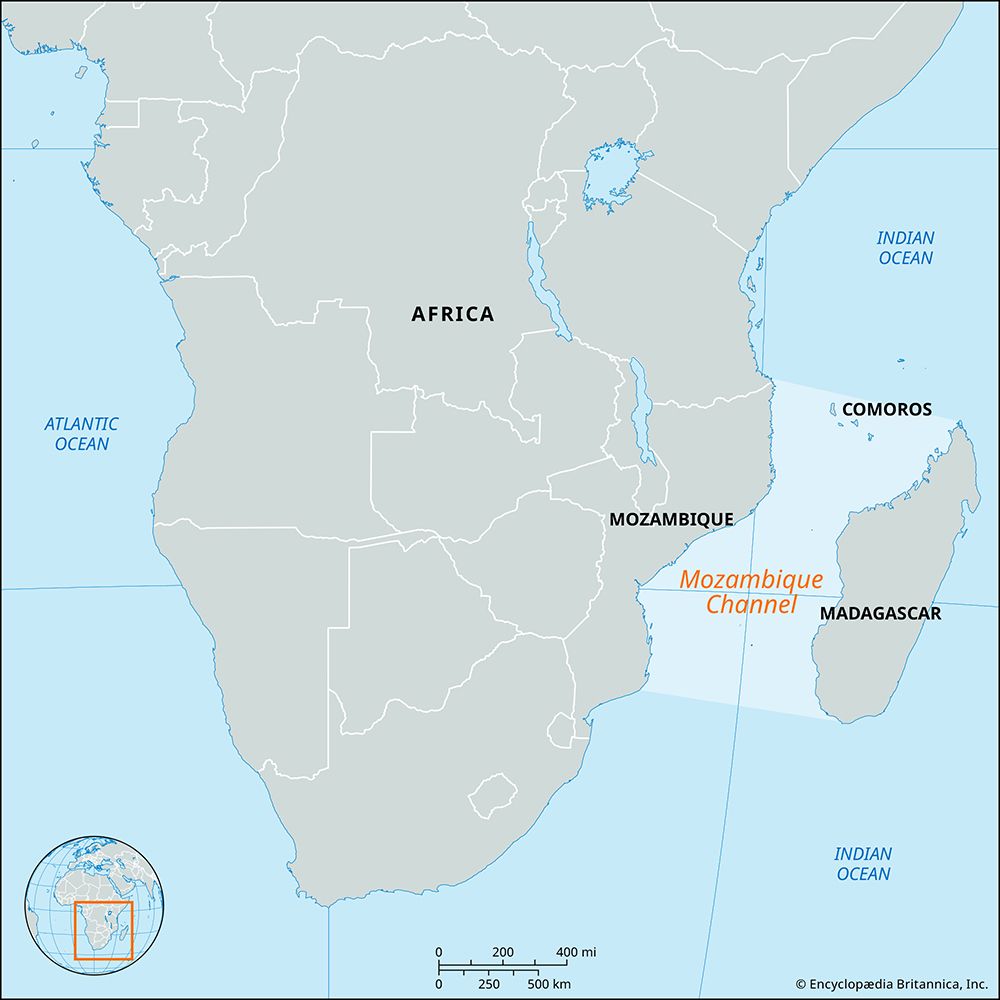
It is formed by the Indian South Equatorial Current, which is driven westward by the southeast trade winds toward the African coast. Due to the Earth’s rotation, this flow is directed southward to follow the outline of the mainland and its continental shelf. While some water passes to the east of Madagascar, the Mozambique Current funnels through the Mozambique Channel between the island and the African mainland.12
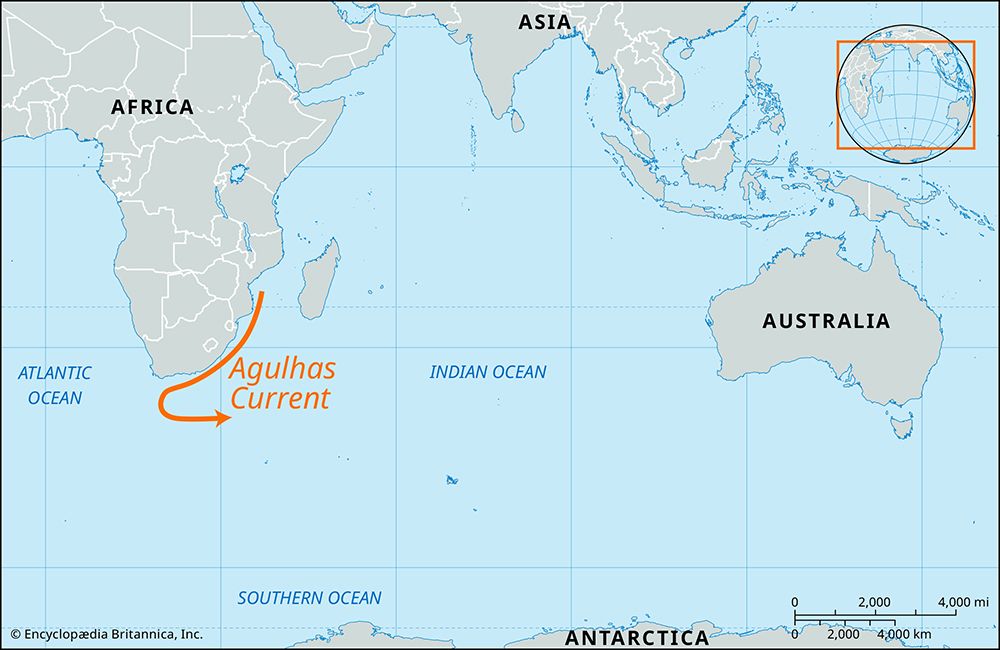
This current exerts a significant influence on the climate of both the island and the mainland. South of Madagascar, the Mozambique Current converges with other streams to feed into the Agulhas Current, a major western boundary current of the southern Indian Ocean.13
How do ocean currents influence global climate patterns?
Ocean currents play a fundamental role in regulating global climate by acting as a massive heat-distribution system. They transport warm water from the tropics toward the poles and return cold water toward the tropics, effectively moderating temperatures across the planet.456
Mechanisms of Climate Influence
- Heat Transport: Currents like the Gulf Stream carry significant thermal energy from the tropics to higher latitudes. This warmth, combined with prevailing winds, creates much milder climates in regions like northwestern Europe than would otherwise exist at those latitudes.47
- Atmospheric Interaction: The ocean acts as a vast heat reservoir. Through evaporation and direct heat transfer, the ocean releases moisture and energy into the atmosphere, which influences weather patterns, including the intensity of tropical cyclones and extratropical cyclones.58
- Thermohaline Circulation: Driven by differences in temperature and salinity, this deep-ocean circulation moves tremendous volumes of water globally. It helps maintain climate stability, though scientists are monitoring how ocean warming might weaken these currents by reducing the density differences that drive them.68
What role do trade winds play in driving surface currents?
Trade winds are a primary driver of surface ocean currents, exerting stress on the sea surface that sets the upper layer of water in motion. This process is governed by several key physical principles:910
- Wind Stress and Motion: Wind exerts a shearing stress on the ocean surface proportional to the square of the wind speed, pushing the water in the direction of the wind. This motion typically affects the upper 100 meters of the ocean, known as the Ekman layer.962
- The Coriolis Effect: Because the Earth rotates, moving water is deflected by the Coriolis force. In the Northern Hemisphere, this force deflects the water to the right of the wind direction, while in the Southern Hemisphere, it deflects the water to the left.911
- Ekman Transport: The net movement of water within the Ekman layer occurs at an angle of 90° to the wind direction. Variations in this transport across different regions lead to convergence and divergence zones, which drive vertical water movements like upwelling and downwelling.9
- Equatorial Currents: Trade winds drive the westward-flowing North Equatorial Current and South Equatorial Current -Current) and South Equatorial Current. When these winds weaken—such as during the Southern Oscillation—it can trigger El Niño events, significantly altering global climate patterns.912136
Why are western boundary currents typically warmer than eastern ones?
Western boundary currents are typically warmer than eastern boundary currents because of their role in the global heat-distribution system within subtropical gyres.
The primary reason for this temperature difference is the phenomenon of westward intensification. As explained by oceanographer Henry M. Stommel, the horizontal Coriolis force increases with latitude, causing the centers of subtropical gyres to shift westward. This forces the poleward-flowing western boundary currents—such as the Gulf Stream and the Kuroshio—to become narrow, intense, jetlike currents that rapidly transport excess heat from low-latitude tropical regions toward the poles.1511
In contrast, the eastern boundary currents are characterized by a slow, broad drift of cooler water moving toward the equator. These eastern currents are often associated with coastal upwelling, which brings colder, deeper water to the surface, further contributing to the temperature contrast between the two sides of the ocean basin.151116
Sources
- Mozambique Current — Encyclopædia Britannica
- Equatorial current — Encyclopædia Britannica
- Agulhas Current — Encyclopædia Britannica
- How Do Ocean Currents Affect the Biosphere? — Encyclopædia Britannica
- Gulf Stream — Encyclopædia Britannica
- Climate - Climate and the oceans — Encyclopædia Britannica
- thermohaline circulation — Encyclopædia Britannica
- ocean warming — Encyclopædia Britannica
- ocean current - Equatorial currents — Encyclopædia Britannica
- ocean current - Ekman layer — Encyclopædia Britannica
- Climate - The Gulf Stream — Encyclopædia Britannica
- Atmosphere - Effect of oceans on air movement — Encyclopædia Britannica
- ocean current - Coriolis effect — Encyclopædia Britannica
- Coriolis force — Encyclopædia Britannica
- subtropical gyre — Encyclopædia Britannica
- Climate - The Kuroshio — Encyclopædia Britannica
- ocean current - The subtropical gyres — Encyclopædia Britannica
- Atlantic Ocean - Temperature — Encyclopædia Britannica
Published on · 3 min read