Isle of Anglesey
The Isle of Anglesey holds profound historical significance as a center of ancient culture and a strategic focal point in British history. Known for its…
What is the historical significance of Anglesey in Welsh and British history?
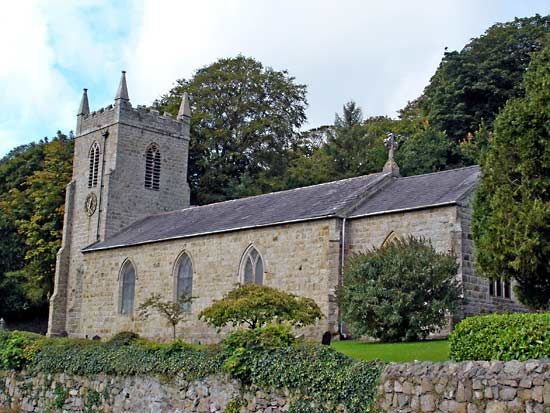
The Isle of Anglesey holds profound historical significance as a center of ancient culture and a strategic focal point in British history. Known for its fertile land, the island served as an early hub for agriculture and trade, connecting the Mediterranean with northern regions via prehistoric sea routes.1
During the 1st century CE, Anglesey became a renowned Druid stronghold and a site of fierce resistance against the Romans. The Roman conquest, completed by Agricola in 78 CE, eventually led to the establishment of a fleet station at Holyhead to defend against Irish raiders.12
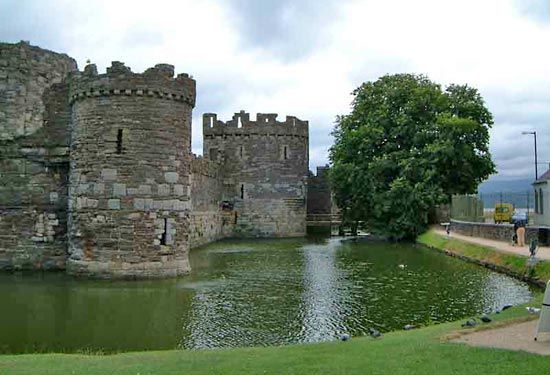
In the medieval period, the island’s coastal town of Aberffraw served as the capital for the princes of Gwynedd from the 7th to the 13th century. Its vulnerability to sea-based invasions by Vikings, Saxons, and Normans eventually culminated in its subjugation by Edward I, who constructed the castle at Beaumaris to solidify English control. Today, the island remains a vital link between Wales and Ireland via the port of Holyhead.13
How does the Welsh language play a role in Anglesey’s culture and daily life?
The Welsh language is a fundamental component of identity and daily life in Wales, serving as a vital link to the region’s ancient Brythonic roots. While the language faced significant decline following the Industrial Revolution, it remains most firmly rooted in rural areas, including the heartlands known as Y Fro Gymraeg (“Welsh-Speaking Region”), where a high proportion of inhabitants speak the language.56
On the Isle of Anglesey, the language continues to play a central role in cultural preservation. Legislative efforts, such as the Welsh Language Act of 1993, have established the legal equality of Welsh and English, mandating its use across public bodies, schools, and local councils. These policies ensure that Welsh is not merely a historical relic but a living medium used in education and administration. Today, the language remains a key marker of national identity, supported by ongoing efforts to promote its use in both social and official spheres across the island.65
Where is the Isle of Anglesey located, and what are its main geographical features?
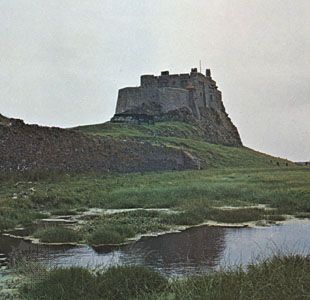
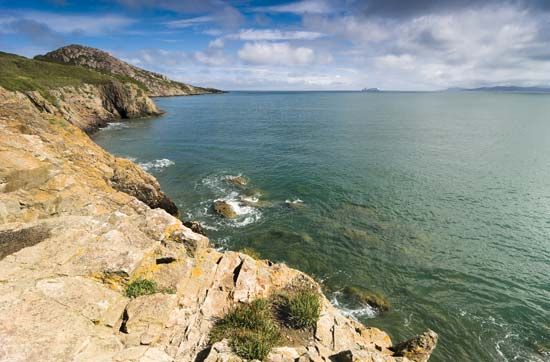
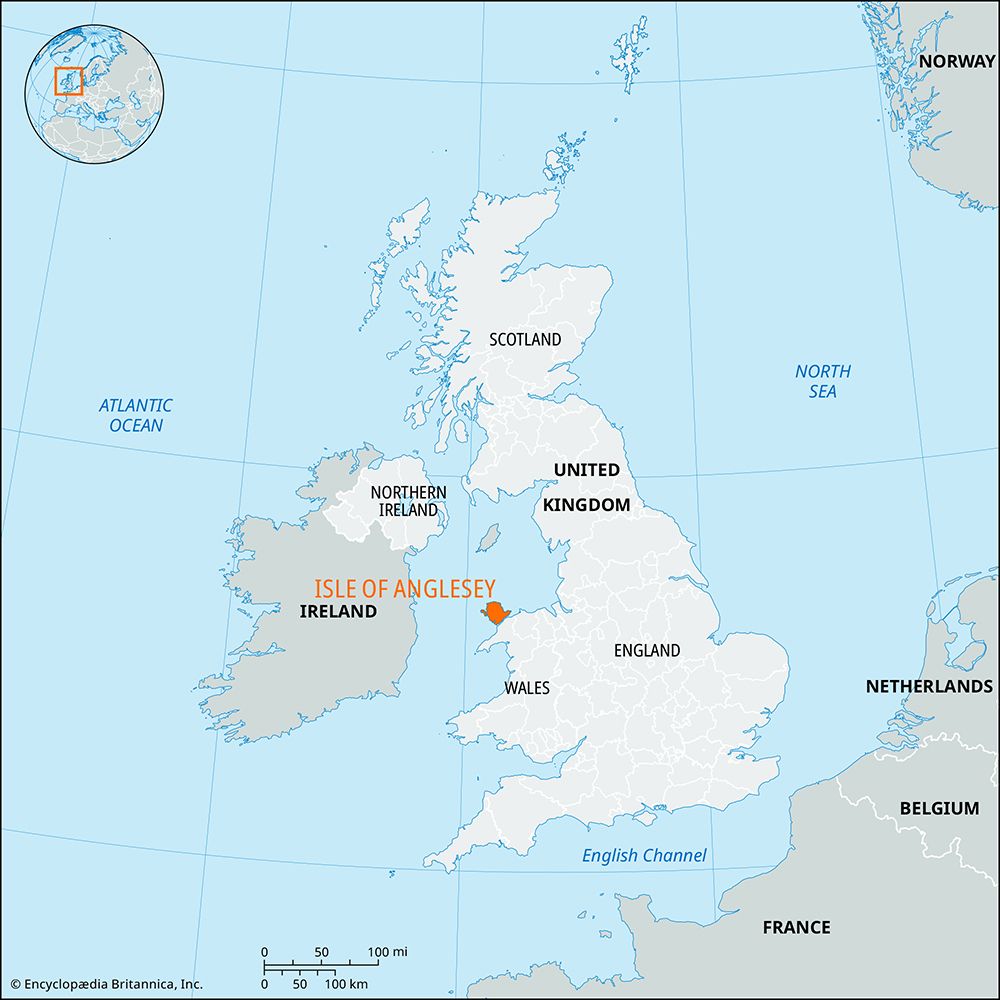
The Isle of Anglesey is a county located off the northwestern coast of Wales, separated from the mainland by the Menai Strait. It is the largest island in England and Wales, covering an area of 261 square miles (676 square km), and includes the adjoining Holy Island to the west.17
Geographically, the island is characterized by low relief, featuring a series of ridges and valleys that run from the northeast to the southwest. Unlike the mountainous terrain of the North Wales mainland, Anglesey is notably low and fertile, which historically supported early grain-growing and stock-raising. The highest point in the county is Holyhead Mountain, which reaches an elevation of 720 feet (219 meters) on Holy Island. The administrative center of the county is Llangefni.14
What is the significance of the Menai Strait and its bridges connecting Anglesey to mainland Wales?
The Menai Strait is a 15-mile (24 km) channel of the Irish Sea that separates the Isle of Anglesey from the mainland of North Wales. Historically significant as a natural barrier, the strait has been bridged since the 19th century to facilitate transport between London and the ferry port of Holyhead, which serves as a primary gateway to Ireland.4
Two iconic structures span the strait:
- Menai Bridge: Designed by Thomas Telford and completed in 1826, this was the first important modern suspension bridge. It utilized massive wrought-iron chains to carry road traffic across the channel.910
- Britannia Bridge: Built by Robert Stephenson in 1849, this engineering marvel originally featured enclosed iron tubes to carry railway traffic. Following a fire in 1970, it was reconstructed with concrete decks supported by steel arches to accommodate both rail and motor vehicles.1112
Together, these bridges transformed regional connectivity, turning the once-isolated island into a vital link in the British transportation network.4
Sources
- Isle of Anglesey — Encyclopædia Britannica
- Roman Britain - The end of Roman Britain — Encyclopædia Britannica
- Caernarfon — Encyclopædia Britannica
- Menai Strait — Encyclopædia Britannica
- Celtic languages - Welsh — Encyclopædia Britannica
- Wales - Ethnic groups and languages — Encyclopædia Britannica
- Isle of Anglesey — Merriam-Webster
- Wales - Land — Encyclopædia Britannica
- Britannia Bridge — Encyclopædia Britannica
- Robert Stephenson — Encyclopædia Britannica
- Thomas Telford — Encyclopædia Britannica
- Menai Bridge — Encyclopædia Britannica
- Menai Strait — Merriam-Webster
Published on · 3 min read