Ireland
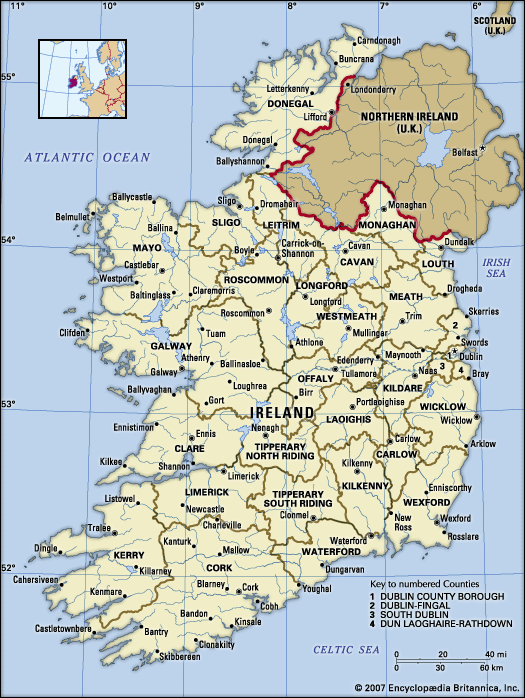
Ireland is home to a variety of stunning natural landmarks and significant cultural sites that draw visitors from around the world.
What are some of the most famous natural landmarks and tourist attractions in Ireland?
Ireland is home to a variety of stunning natural landmarks and significant cultural sites that draw visitors from around the world.
Natural Landmarks
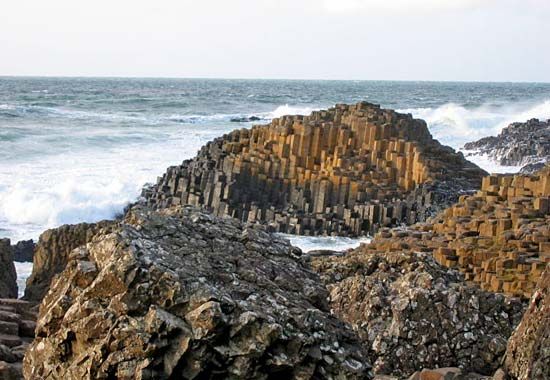
- Giant’s Causeway: Located on the northern coast of Northern Ireland, this famous site features approximately 40,000 basalt columns formed by ancient volcanic activity. It is a UNESCO World Heritage site known for its unique polygonal stone pillars.1
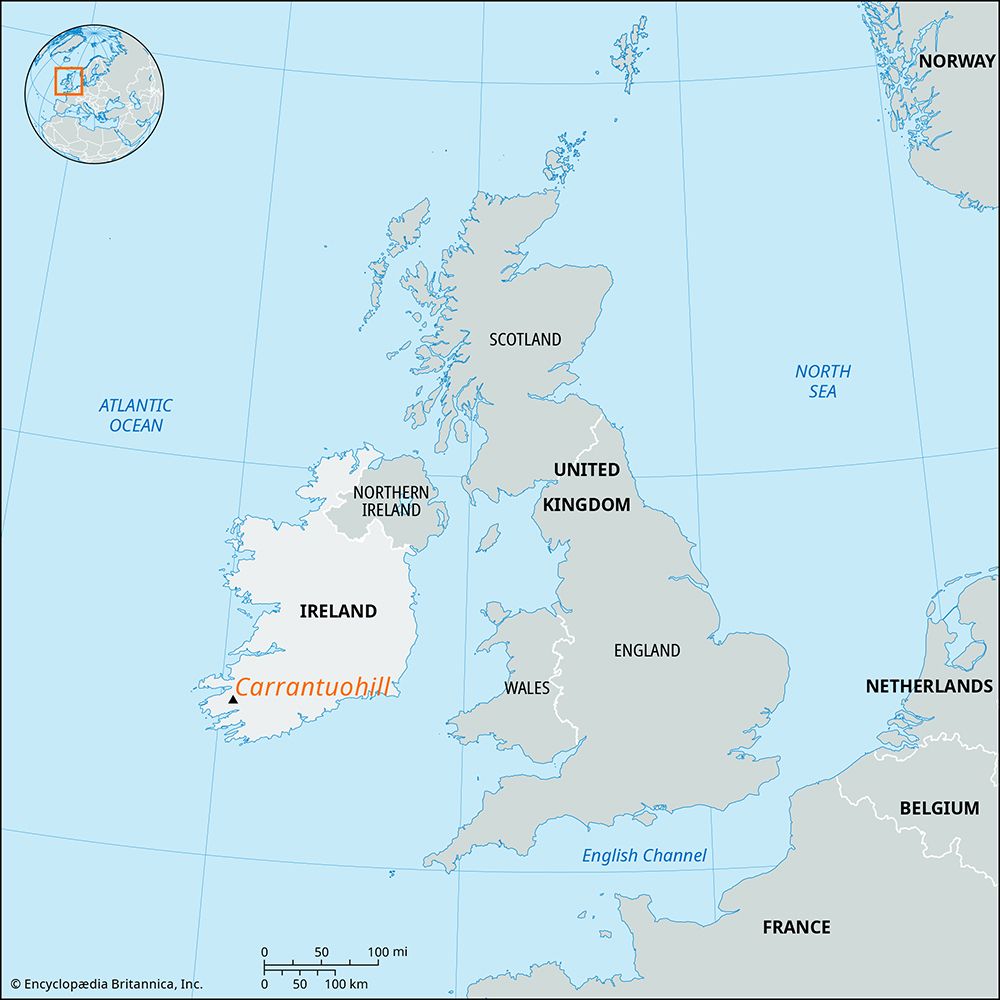
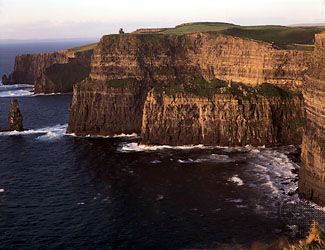
- Coastal Scenery: The western and southwestern coasts are renowned for their wild, indented beauty, characterized by deep bays and dramatic mountain ranges like the Macgillycuddy’s Reeks, which contains the country’s highest point, Carrantuohill.2
Cultural and Archaeological Attractions
- Brú na Bóinne: An archaeological ensemble located at the Bend of the Boyne, recognized for its historical significance.3
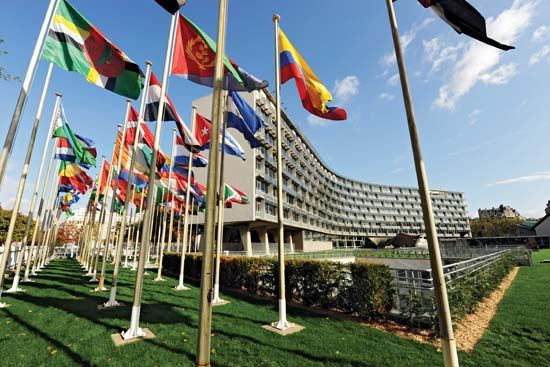
- Skellig Michael: A remote, rocky island featuring an ancient monastic settlement, also designated as a World Heritage site.3
Tourism is a vital component of the Irish economy, supported by organizations like Fáilte Ireland, which help maintain these sites and promote the country’s rich cultural heritage.4
What are the main aspects of Ireland’s history, including its struggle for independence?
Ireland’s history is defined by centuries of struggle for self-governance and independence from British rule, a process that fundamentally reshaped the island’s political and social landscape.
The Path to Independence
By the early 20th century, the movement for Home Rule had gained significant momentum, though it was delayed by World War I and fierce resistance from unionists in Ulster who feared Catholic domination. The radicalization of the independence movement was accelerated by the Easter Rising of 1916, where republican leaders proclaimed an Irish republic in Dublin. The harsh British response to the uprising turned the executed leaders into martyrs and galvanized public support for the Irish War of Independence (1919–1921).789
Partition and Civil War
The conflict concluded with the Anglo-Irish Treaty of 1921, which granted the 26 counties of southern Ireland dominion status as the Irish Free State. However, the treaty’s requirement of an oath of allegiance to the British monarch and the partition of the island—allowing Northern Ireland to remain part of the United Kingdom—deeply divided the Irish leadership. This ideological split triggered the Irish Civil War (1922–1923), a bitter conflict between pro-treaty and anti-treaty factions that resulted in the defeat of the anti-treaty forces.810
Legacy and Division
The partition created a lasting divide. In Northern Ireland, the Protestant majority maintained political control, leading to decades of systemic discrimination against the Catholic minority. These tensions eventually erupted into the sectarian violence known as “The Troubles,” which dominated the latter half of the 20th century.811
How has Ireland’s population changed over the past century, including patterns of emigration and immigration?
Over the past century, Ireland’s demographic landscape has undergone a profound transformation, shifting from a long history of population depletion to a more complex pattern of migration.
Historical Context of Emigration
For much of the 19th and 20th centuries, Ireland was defined by high rates of emigration, which significantly reduced the population. This trend was rooted in the aftermath of the Great Famine of the 1840s, which caused a massive decline in the population through death and mass departure. Throughout the following decades, overseas emigration remained a persistent factor, with many Irish citizens seeking opportunities in the United States and industrial centers in England.1415
Modern Demographic Shifts
The late 20th century marked a turning point. During the 1990s, the rise of the “Celtic Tiger” economy led to a period where immigration outpaced emigration for the first time in modern history, drawing in both returning Irish citizens and new residents from across the globe.1617
However, this trend has remained fluid:
- Economic Impact: The 2008 economic collapse triggered a new wave of emigration, notably among highly skilled and educated workers.16
- Increased Diversity: Since the late 20th century, Ireland has seen significant immigration from the rest of Europe, Africa, and Asia, aided by the open labor market of the European Union. Today, ethnic and racial minorities account for approximately 12 percent of the population.17
What are some traditional Irish festivals and celebrations?
Ireland’s calendar is marked by a blend of ancient Celtic traditions and significant religious observances. These festivals often reflect the country’s agricultural roots and its deep cultural heritage.
Ancient Celtic Festivals
Historically, the Irish year was structured around four major seasonal feasts, which remain significant in cultural and modern Pagan contexts:
- Samhain (November 1): Marking the end of summer and the beginning of winter, this festival was a time for ingathering and was believed to be a period when the barrier between the living and the spirit world was thinned. It has influenced modern Halloween traditions. world was thinned. It has influenced modern Halloween traditions.2018
- Imbolc (February 1): A festival of purification for farmers, marking the beginning of spring. It is associated with the goddess Brigid and later became the feast day of St. Brigit.1918
- Beltane (May 1): The summer festival, traditionally involving the lighting of fires to protect livestock from disease.18
- Lughnasadh (August 1): A harvest festival dedicated to the god Lugh.18
Religious and Social Celebrations
- St. Patrick’s Day (March 17): Honoring Ireland’s patron saint, this day is observed in Ireland as a religious occasion, though it has incorporated secular elements like parades to support tourism.202122
- Social Gatherings: Traditional social life is often centered around the céilí, a musical gathering featuring traditional instruments like the fiddle, tin whistle, and uilleann pipes. These events, alongside local cattle shows and hiring fairs, are integral to Irish community life.22
Sources
- Giant’s Causeway — Encyclopædia Britannica
- list of World Heritage sites - Ireland — Encyclopædia Britannica
- Ireland - Services — Encyclopædia Britannica
- Ireland - Relief — Encyclopædia Britannica
- Ireland — Encyclopædia Britannica
- Ireland - Daily life and social customs — Encyclopædia Britannica
- Easter Rising — Encyclopædia Britannica
- Northern Ireland - Home Rule — Encyclopædia Britannica
- Anglo-Irish Treaty — Encyclopædia Britannica
- the Troubles - The formation of Northern Ireland, Catholic grievances, and the leadership of Terence O’Neill — Encyclopædia Britannica
- Irish Civil War — Encyclopædia Britannica
- Celtic literature - Irish — Encyclopædia Britannica
- Ireland - The 18th century — Encyclopædia Britannica
- Ireland - Demographic trends — Encyclopædia Britannica
- Great Famine — Encyclopædia Britannica
- Ireland - Political discontent — Encyclopædia Britannica
- Ireland - Ethnic groups, language, and religion — Encyclopædia Britannica
- St. Patrick’s Day — Encyclopædia Britannica
- Why is St. Patrick’s Day celebrated on March 17? — Encyclopædia Britannica
- Samhain — Encyclopædia Britannica
- Imbolc — Encyclopædia Britannica
- Celtic religion - Festivals — Encyclopædia Britannica
Published on · 4 min read