Isle of Man
The Tynwald is the parliament of the Isle of Man, a self-governing crown dependency. Its significance lies in its status as one of the most ancient…
What is the significance of the Tynwald, the Isle of Man’s parliament?
The Tynwald is the parliament of the Isle of Man, a self-governing crown dependency. Its significance lies in its status as one of the most ancient legislative assemblies in the world, rooted in a Scandinavian system of government established during the period of Norse rule that began around 800 CE and has remained largely unchanged in its fundamental structure since that time.12
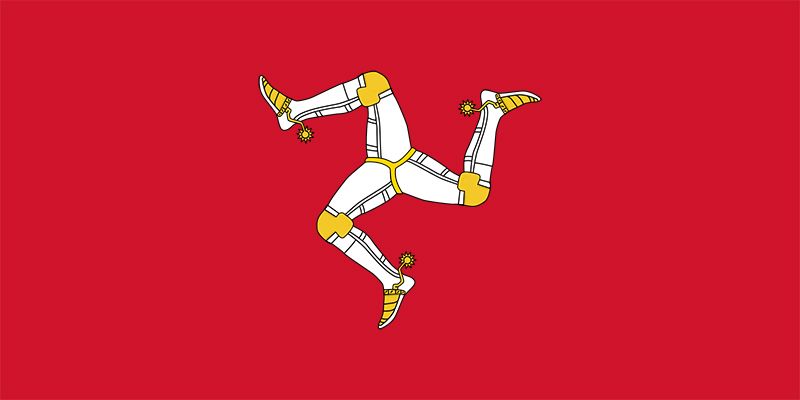
The Tynwald consists of two legislative houses: the Legislative Council (the upper house) and the House of Keys (the popularly elected lower house). While these houses function as separate bodies, they convene as the Tynwald Court to transact legislative business. The institution is also central to the island’s cultural identity, as evidenced by the ceremonial use of the sword of state during Tynwald proceedings, which features the Manx triskelion—a symbol with origins dating back to the Norse era.312
What are the main aspects of the Isle of Man’s unique culture and heritage?
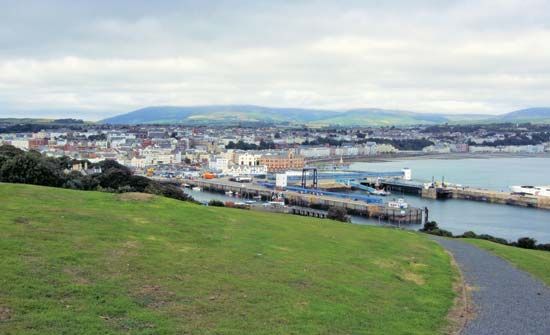
The culture and heritage of the Isle of Man are defined by a unique blend of Celtic and Norse influences, shaped by its history as a self-governing crown possession.4
Language and Literature
The Manx language, a Goidelic Celtic language, was the island’s primary speech until the 19th century. Because the island lacked a formal bardic institution, its literary heritage is primarily rooted in folklore, including traditional ballads and carvels—distinctive carols focused on the life and crucifixion of Jesus. While native speakers became rare in the 20th century, a revival movement has worked to preserve the language.325
Symbols and Traditions
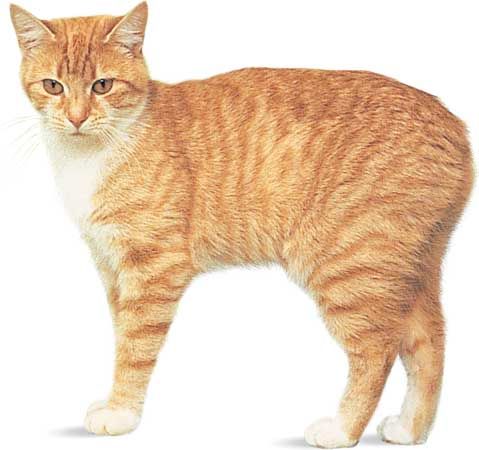
The island’s most iconic symbol is the Manx triskelion, a three-legged emblem likely introduced during the period of Norse rule (c. 800–1266 CE). This ancient sun symbol remains central to Manx identity, appearing on the flag of the Isle of Man and the sword of state used in Tynwald ceremonies. Additionally, the island is famous for the Manx cat, a distinctive tailless breed traditionally associated with the island’s heritage.64
How does the Isle of Man’s status as a crown dependency differ from other parts of the United Kingdom?
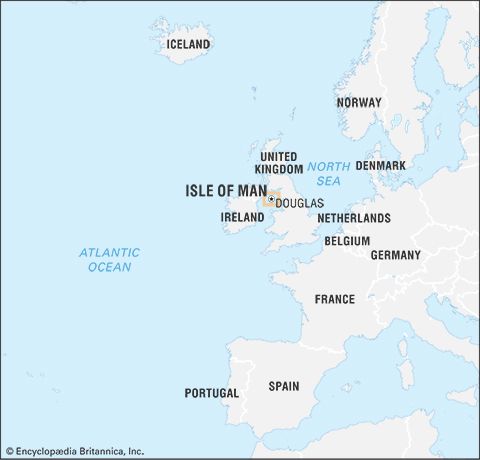
The Isle of Man is distinct from the United Kingdom because it is a crown dependency rather than a part of the sovereign state itself. While the United Kingdom is responsible for certain affairs, such as defense and international relations, the island maintains a significant degree of autonomy in its internal governance.12
Key differences include:
- Legislative Autonomy: The island is self-governing and possesses its own legislature, which consists of the Legislative Council and the House of Keys. Together, they form the Tynwald Court to conduct legislative business.71
- Fiscal Independence: Unlike parts of the United Kingdom, the Isle of Man levies its own taxes. It also issues its own currency notes and coins.18
- Political Status: The island is a possession of the British Crown, overseen by the British Home Office, but it is not formally annexed by the United Kingdom.128
How does the Manx language contribute to the island’s cultural identity?
The Manx language serves as a vital link to the island’s historical roots as a Goidelic Celtic society. As an offshoot of Irish that evolved in relative isolation, it represents a unique dialect free from the literary influences that shaped other Gaelic languages.45
Its contribution to cultural identity is marked by:
- Historical Continuity: Despite being displaced by English during the 19th century, Manx remains a symbol of the island’s distinct heritage, reflecting its history of colonization and its position between Irish and Scottish cultural spheres.45
- Linguistic Uniqueness: The language’s orthography, established in 1610 by Bishop John Phillips, is based on English, making it distinct from its linguistic relatives. This orthography, combined with specific phonetic and morphological developments, provides a unique record of the island’s evolution.45
- Cultural Preservation: The revival movement in the late 20th and early 21st centuries highlights the language’s role as a cornerstone of Manx identity, ensuring that this aspect of the island’s history is not lost to time.4
Sources
- Isle of Man: Country Facts — Encyclopædia Britannica
- Isle of Man — Encyclopædia Britannica
- flag of the Isle of Man — Encyclopædia Britannica
- Manx language — Encyclopædia Britannica
- Celtic languages - Manx — Encyclopædia Britannica
- Celtic literature - Manx — Encyclopædia Britannica
- British Empire — Encyclopædia Britannica
- dependency — Encyclopædia Britannica
- Man, Isle of — Merriam-Webster
Published on · 3 min read