Kodiak Island
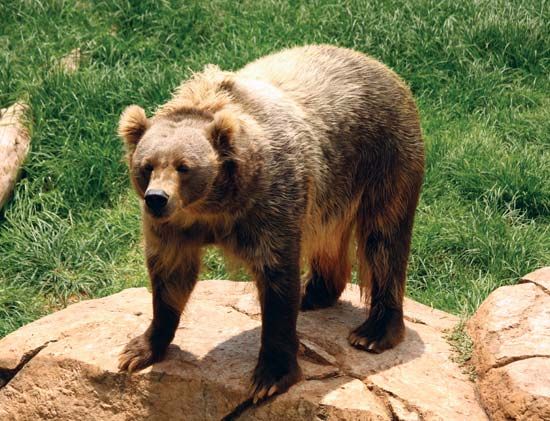
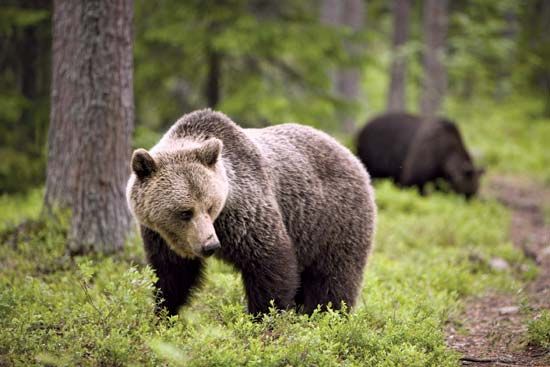
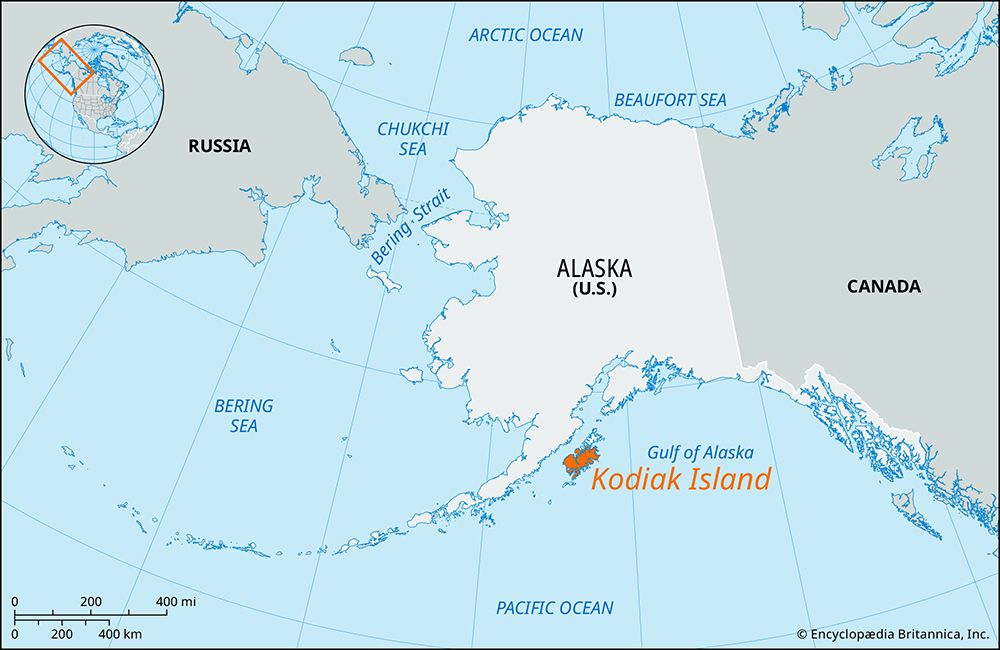
The Kodiak bear (Ursus arctos middendorffi) is a unique subspecies of brown bear found exclusively on Kodiak Island and its surrounding archipelago in Alaska.
What unique wildlife can be found on Kodiak Island, especially regarding the Kodiak bear?
The Kodiak bear (Ursus arctos middendorffi) is a unique subspecies of brown bear found exclusively on Kodiak Island and its surrounding archipelago in Alaska.1
Distinguished by their immense size, these bears can weigh up to 720 kg (1,600 pounds), sharing the title of the world’s largest land carnivore with the polar bear. While they are sometimes confused with grizzly bears, Kodiak bears are larger and have been reproductively isolated from other bear populations for approximately 12,000 years. An estimated 3,500 of these bears inhabit the island, with a significant portion protected within the Kodiak National Wildlife Refuge.123
Beyond the iconic bear, the island’s diverse ecosystem supports various other wildlife, including:
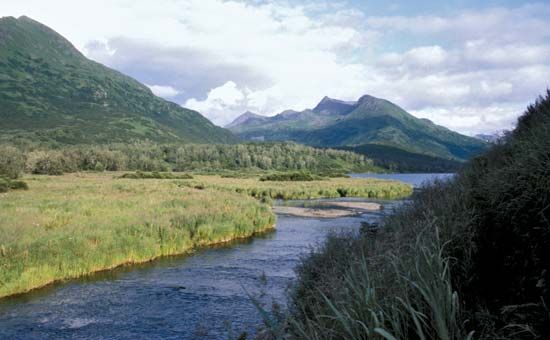
How has Kodiak Island’s culture been influenced by its Native Alaskan, Russian, and American heritage?
Kodiak Island’s cultural identity is a complex tapestry woven from thousands of years of Indigenous heritage, the legacy of Russian colonial expansion, and the subsequent influence of the United States.
Indigenous Foundations
The Alutiiq (or Sugpiat) people have inhabited the island for approximately 7,500 years. Their culture was historically defined by a deep connection to the marine environment, with subsistence lifestyles centered on hunting sea mammals and fishing. This rich heritage is preserved today at the Alutiiq Museum and Archaeological Repository.42
Russian Influence
Russian exploration began in 1763, leading to the establishment of the first permanent settlement at Three Saints Bay in 1784. Kodiak served as the first capital of Russian Alaska and the headquarters for the Russian-American Company. This era introduced Russian Orthodox Christianity, which remains a significant cultural pillar; the city of Kodiak is home to one of the few Russian Orthodox seminaries in the United States.4567
American Integration
Following the 1867 Alaska Purchase, the United States imposed assimilationist policies that pressured Indigenous communities to adopt English and Protestant traditions. In the 20th century, the island’s culture was further shaped by the military—notably through the U.S. Coast Guard and World War II-era infrastructure—and the growth of a robust, multicultural fishing industry that attracted diverse immigrants.864
How does the fishing industry on Kodiak Island contribute to Alaska’s economy?
The fishing industry on Kodiak Island is a cornerstone of Alaska’s economy, as the port of Kodiak ranks among the largest and most significant fishing ports in the United States. This industry plays a vital role in the state’s broader commercial fishing sector, which is one of the most productive in the country.9
Kodiak serves as a primary hub for the world’s salmon-packing industry. Beyond salmon, the local fleet harvests substantial quantities of:
Most of the fish produced through these operations are exported, contributing significantly to Alaska’s trade output. While the industry has faced historical challenges—such as the 1912 volcanic eruption and the 1989 Exxon Valdez oil spill—it remains a primary economic driver for the island, supporting local canning and processing facilities alongside the active fishing fleets.92
What are the main economic activities and industries on Kodiak Island?
The economy of Kodiak Island is primarily driven by its robust maritime and agricultural sectors, supported by unique infrastructure and historical development.
Fishing and Processing
Commercial fishing and fish processing are the island’s most significant economic activities. Kodiak is home to one of the largest fishing ports in the United States, utilizing the island’s numerous indented harbors to support an active fleet and various processing plants. Key harvests include:29
- Salmon: The island serves as a major center for the world’s salmon-packing industry.49
- Shellfish and Groundfish: Significant quantities of crab (king, Tanner, and Dungeness), halibut, cod, pollack, and herring are harvested.24
Agriculture and Livestock
Despite the challenges posed by the 1912 volcanic eruption, which initially interrupted agricultural efforts, the island supports a long-standing tradition of livestock raising. Current agricultural activities include:
- Dairying: The production of dairy products remains a component of the local economy.29
- Livestock: The raising of sheep and cattle is a established practice on the island.249
Specialized Infrastructure
Beyond traditional industries, Kodiak hosts unique facilities that contribute to its economic landscape, including a satellite launch center—the only nonfederal facility of its kind in the United States—and a significant U.S. Coast Guard presence.29
Sources
- Kodiak bear — Encyclopædia Britannica
- Kodiak Island — Encyclopædia Britannica
- brown bear — Encyclopædia Britannica
- Kodiak — Encyclopædia Britannica
- Arctic - Southern and southwestern Alaska — Encyclopædia Britannica
- Kachemak culture — Encyclopædia Britannica
- Alaska - Population composition — Encyclopædia Britannica
- Alaska - Russian settlement — Encyclopædia Britannica
- Alaska - Agriculture, forestry, and fishing — Encyclopædia Britannica
Published on · 3 min read