Kizhi Island
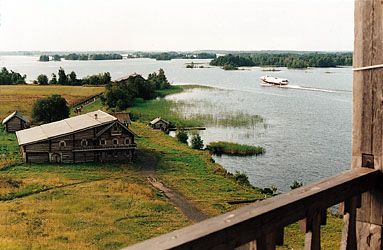
Kizhi Island, located in Lake Onega, holds significant historical importance as a strategic site in northwestern Russia. During the 14th century, it served…
What is the historical significance of Kizhi Island?
Kizhi Island, located in Lake Onega, holds significant historical importance as a strategic site in northwestern Russia. During the 14th century, it served as a vital point on the trade route connecting Novgorod to the White Sea. By the 17th century, the island functioned as a defensive outpost against Swedish and Polish incursions, and it later became a site of major peasant uprisings during the reign of Catherine II the Great.1
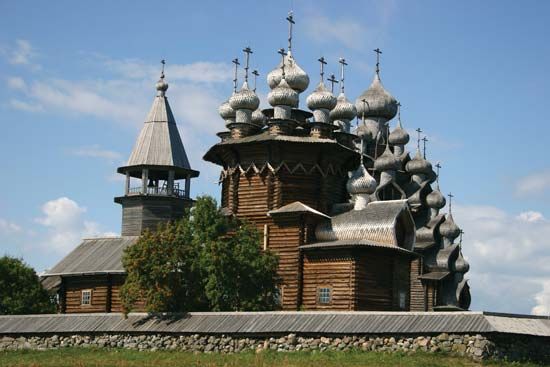
Today, the island is globally recognized for its Museum Site of History and Architecture, an open-air museum established in 1960 that preserves traditional wooden structures. This includes the iconic Preobranzhenskaya Church (1714), renowned for its 22 cupolas, and the 14th-century St. Lazarus Church, which is the oldest in the Karelia republic.1
Where is Kizhi Island located in Russia, and what are its geographical features?
Kizhi Island is located in Lake Onega within the Karelia republic of northwestern Russia1.
Regarding its geographical context, the island is situated in a region defined by the ancient rocks of the Baltic crystalline shield. The broader area of Lake Onega, which contains approximately 1,650 islands, was shaped by Quaternary glaciers that elongated the lake’s basin from northwest to southeast. The northern and northwestern shores of the lake—where most of its islands are concentrated—are characterized by high, rocky terrain composed of layered granite and dense forest cover. The climate in this region is cold, with the lake typically freezing between late November and mid-January, depending on the depth of the water.21
What role does Kizhi Island play in Russian cultural heritage today?
Today, Kizhi Island serves as a vital center for the preservation of Russian cultural heritage, primarily through its Museum Site of History and Architecture. Established in 1960, this open-air museum functions as a repository for traditional wooden structures gathered from across the region, including historic houses, barns, and windmills.1
The island is most celebrated for its exceptional collection of wooden ecclesiastical architecture, which showcases the mastery of traditional craftsmanship. Key highlights include:
- Preobranzhenskaya Church (1714): A monumental structure featuring 22 cupolas, often compared to St. Basil’s Cathedral in Moscow, which houses a significant collection of iconostases.1
- Pokorovskaya Church (1764): Notable for its 10 cupolas and an interior adorned with locally crafted 17th- and 18th-century icons.1
- St. Lazarus Church (1390): The oldest church in the Karelia republic, relocated to the site to ensure its protection.1
Through these efforts, the island has become a major destination for tourism, allowing visitors to engage directly with the historical and artistic legacy of northern Russia.
How has Kizhi Island been represented in Russian art and literature?
Sorry, the Britannica knowledge base does not contain information regarding how Kizhi Island has been represented in Russian art and literature.
Sources
- Kizhi Island — Encyclopædia Britannica
- Karelia — Encyclopædia Britannica
- Lake Onega — Encyclopædia Britannica
Published on · 2 min read