Isle Royale National Park
Isle Royale National Park is a protected wilderness area located in northwestern Lake Superior, within the state of Michigan. Established in 1940, the park…
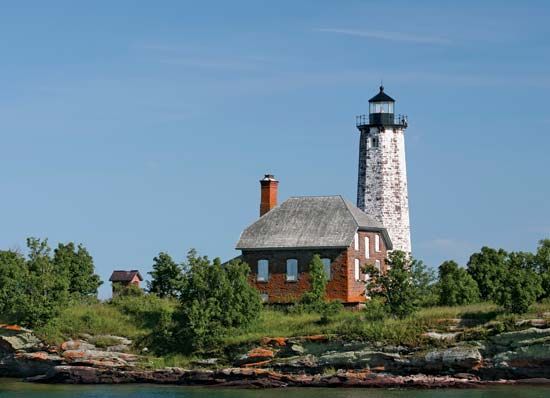
What is Isle Royale National Park?
Isle Royale National Park is a protected wilderness area located in northwestern Lake Superior, within the state of Michigan. Established in 1940, the park encompasses Isle Royale—the largest island in the lake—along with numerous surrounding islets and rocks, covering a total area of 893 square miles.12
The park is renowned for its rugged, glaciated landscape of basaltic and sedimentary rock, featuring dense forests that transition between boreal and temperate zones. It serves as a critical habitat for diverse wildlife, most notably a well-studied population of moose and their primary predator, the gray wolf.2
Recognized for its ecological significance, the park was added to the National Wilderness Preservation System in 1976 and designated a UNESCO World Network Biosphere Reserve in 1980. Access is limited to foot travel or boat, with ferry and seaplane services available from Minnesota and Michigan.12
How do moose and wolves interact on the island?
On Isle Royale, moose and gray wolves exist in a dynamic predator-prey relationship that has been the subject of extensive scientific study.3
Moose arrived on the island in the early 20th century, likely by swimming or crossing ice from the Canadian mainland. As the island’s primary predator, wolves play a critical role in the ecosystem by hunting these large [herbivores]. In their interactions, wolves typically target moose that are young, old, or in poor physical condition, chasing and seizing them to bring them to the ground. After a successful hunt, a wolf pack will gorge on the carcass, often consuming a significant portion of the animal before moving on to search for their next meal.32
This relationship is a defining feature of the park’s wilderness, illustrating the natural balance between predator and prey populations within the isolated environment of the archipelago.3
What is the history of copper mining on Isle Royale?
The history of copper mining on Isle Royale spans thousands of years, characterized by both ancient indigenous practices and later commercial efforts.
Prehistoric Mining
Carbon-14 dating indicates that prehistoric copper-mining pits on the island date back approximately 4,000 years. These early efforts are associated with the Old Copper culture, which emerged around 3000 BCE. Indigenous peoples utilized cold-hammering techniques to shape native copper—found in large nodules—into various tools, weapons, and art forms, such as adzes, gouges, and axes, which were well-adapted to the forest environment. These copper implements were highly valued and traded extensively, with artifacts discovered as far south as Louisiana and Florida.24
Commercial Mining
In the mid-to-late 19th century, the island saw the rise of commercial copper mining. This followed the broader development of the Lake Superior region’s copper industry, where native copper deposits were found within sedimentary rock conglomerates and basaltic lava flows. While commercial production in the wider Michigan region began in 1845 and lasted for over a century, mining on Isle Royale eventually gave way to the island’s transition into a popular resort area and, ultimately, a national park by 1940.25
Why is the island considered a UNESCO Biosphere Reserve?
Isle Royale was designated a UNESCO World Network Biosphere Reserve in 1980 because it serves as a protected site for conserving ecosystems and biological communities.16
Biosphere reserves are managed as “learning places for sustainable development,” where the interactions between social structures and the environment are examined to foster a balance between human activity and nature. By participating in this program, Isle Royale functions as a living laboratory where researchers study ecological connections—such as the dynamic predator-prey relationship between moose and gray wolves—to develop innovative solutions to environmental challenges.26
The designation recognizes the island’s significance to global and regional conservation efforts, requiring the site to adhere to international management standards that protect its unique biodiversity while allowing for scientific research and monitoring.2
Sources
- Isle Royale National Park — Encyclopædia Britannica
- Isle Royale — Encyclopædia Britannica
- gray wolf - Predators and prey — Encyclopædia Britannica
- mineral deposit - Native metals — Encyclopædia Britannica
- Native American - Eastern Archaic cultures — Encyclopædia Britannica
- biosphere reserve — Encyclopædia Britannica
Published on · 3 min read