Istria
The Istrian Peninsula is divided between Croatia and Slovenia, with a small northwestern portion belonging to Italy. Geographically, the northern section of…
How is Istria divided between Croatia and Slovenia, and what impact does this have on the region?
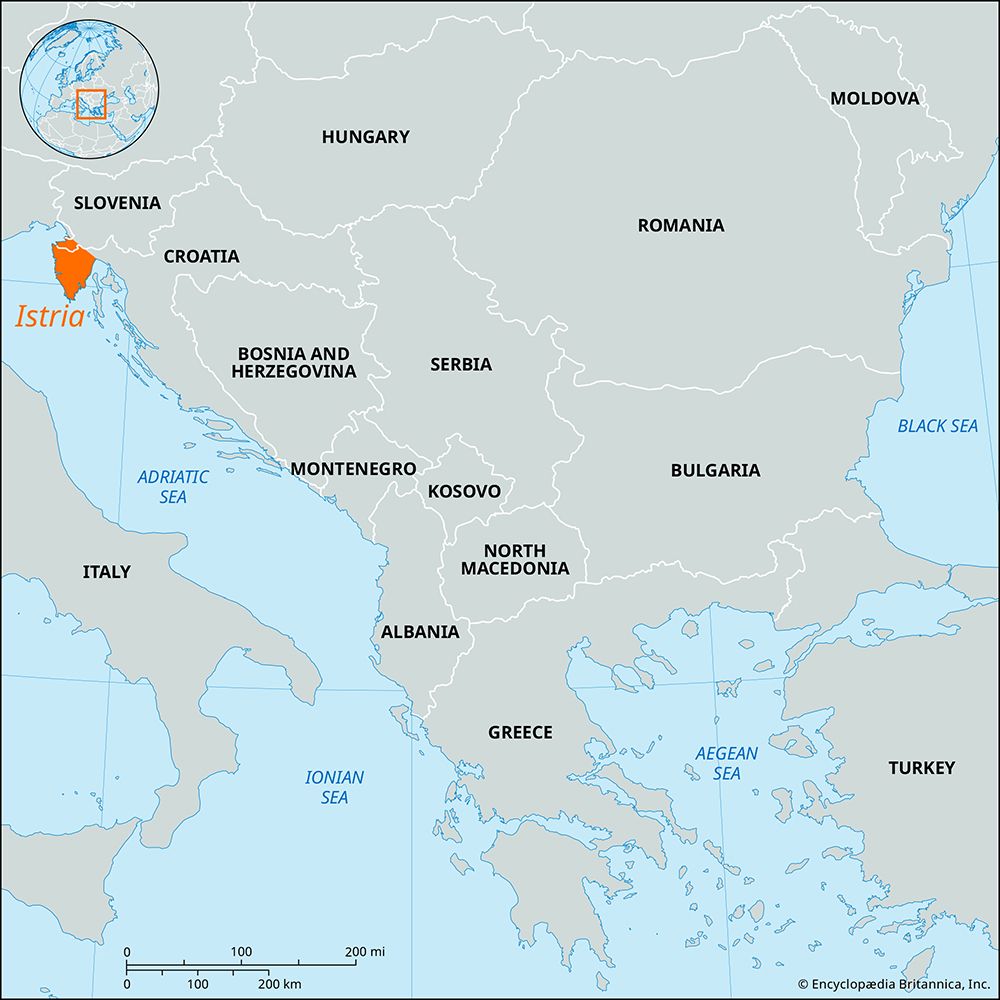
The Istrian Peninsula is divided between Croatia and Slovenia, with a small northwestern portion belonging to Italy. Geographically, the northern section of the peninsula is part of Slovenia, while the central and southern regions fall under Croatian jurisdiction.1
This division reflects the region’s complex history, having transitioned from Austrian rule to Italian control after World War I, and later to Yugoslavia following World War II1. Since 1991, the peninsula has been split between the independent nations of Croatia and Slovenia.1
The impact of this geography is significant for the region’s economy and culture:
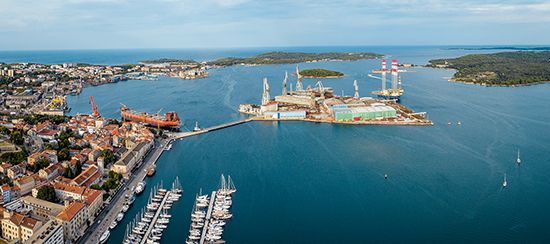
- Economic Activity: The coastal areas are vital for salt production in Slovenian towns like Piran and Portorož, while the Croatian side features mining (such as anthracite coal at Raša) and major maritime hubs like Pula.1
- Demographics: The region maintains a multicultural character, with Italian minorities residing in both the Croatian and Slovenian territories.1
What are some of the most popular tourist attractions and experiences in Istria?
Istria offers a variety of historical and recreational experiences, primarily centered around its coastal towns and natural beauty.
Historical Landmarks
- Pula’s Roman Heritage: The town of Pula is home to an exceptionally well-preserved Roman amphitheater, which was completed around 80 CE and could seat 23,000 spectators. Visitors can also explore the Temple of Augustus and the Kaštel, a historic fortress that now serves as a museum.13
Seaside Resorts and Nature
- Opatija and Brijuni: These locations are renowned as premier seaside resorts, offering visitors a chance to enjoy the Mediterranean climate and the scenic Adriatic coastline. The Brijuni (Brioni) island group is particularly noted for its natural beauty and offshore scenery.1
- Coastal Towns: Towns such as Piran and Portorož in Slovenia are popular destinations, known for their historic salt production and picturesque coastal settings.1
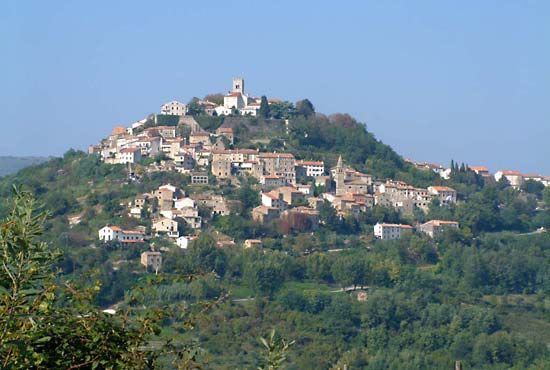
The peninsula’s landscape, characterized by its indented shoreline and karst plateaus, provides a unique backdrop for travelers interested in both cultural history and outdoor exploration.1
What are the main economic activities and industries in Istria?
The economy of the Istrian Peninsula is diverse, relying on a mix of agriculture, industrial extraction, and maritime activities.
Agriculture and Fishing
Agriculture remains a primary occupation for much of the population. In the fertile western and southeastern coastal areas, farmers cultivate wheat, corn (maize), rye, oats, figs, olives, and various fruits. Viticulture has also seen significant growth in recent years. Additionally, cattle breeding is a staple of the rural economy, while sheep and goats are raised in areas with rockier soil and less favorable conditions. Commercial fishing is an essential maritime activity, contributing to the region’s food supply and economy.4
Industry and Mining
Istria possesses significant industrial and extractive sectors:
- Mining: The region is a source of various raw materials, including bauxite, building stone, and quartz. Notably, Raša in Croatia is a key site for the mining of high-quality anthracite coal.4
- Salt Production: Salt is harvested from seawater through evaporation in the Slovenian towns of Piran and Portorož.4
- Shipbuilding: The peninsula maintains a long-standing tradition of shipbuilding, which remains a key industrial activity.4
Tourism and Services
Tourism is a vital component of the service sector, supported by the region’s Mediterranean climate and scenic coastline. Seaside resorts such as Opatija and the Brijuni islands are major destinations that draw visitors, helping to drive the local economy.4
How does the Istrian cuisine reflect the peninsula’s cultural heritage and Mediterranean influences?
Istrian cuisine is a reflection of the peninsula’s diverse history and its Mediterranean climate. The region’s culinary traditions are shaped by its geography and the influence of various powers that have controlled the area over centuries, including Rome, Austria, and Italy.1
The cuisine highlights the local agricultural output, which is central to the Istrian lifestyle. Key elements include:
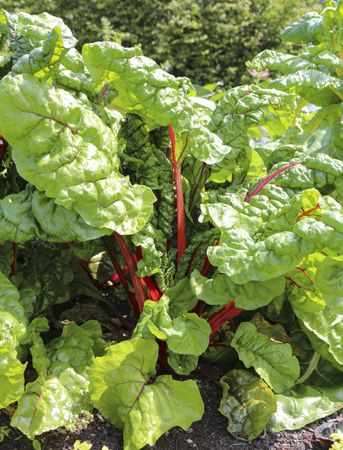
- Mediterranean Staples: The use of olive oil is fundamental, often paired with fresh seafood harvested from the Adriatic. Coastal dishes frequently feature fish served with blitva, a traditional preparation of Swiss chard, potatoes, and garlic.17
- Agricultural Diversity: The fertile coastal plains support the cultivation of wheat, figs, and various fruits, while the rise in viticulture has made local wine an essential part of the dining experience.1
- Cultural Fusion: Reflecting broader Croatian culinary trends, Istrian food incorporates a blend of influences, including central European traditions and Italian cuisine, alongside local delicacies.7
Sources
- Istria — Encyclopædia Britannica
- Slovenia - Land — Encyclopædia Britannica
- Pula — Encyclopædia Britannica
- Croatia - Agriculture, forestry, and fishing — Encyclopædia Britannica
- Croatia - Finance, trade, and services — Encyclopædia Britannica
- Mediterranean Sea - Mineral resources — Encyclopædia Britannica
- Croatia - Daily life and social customs — Encyclopædia Britannica
Published on · 3 min read