Chard
Chard, also known as Swiss chard, is a cultivated form of the plant Beta vulgaris, a member of the Amaranthaceae family. Unlike other varieties of the same…
What is Chard?
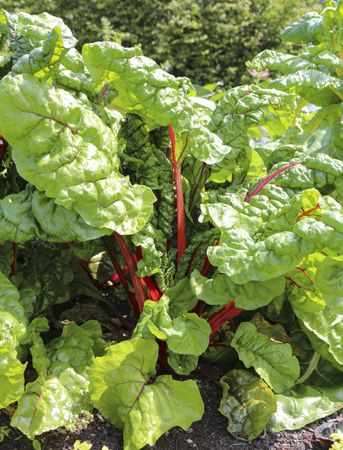
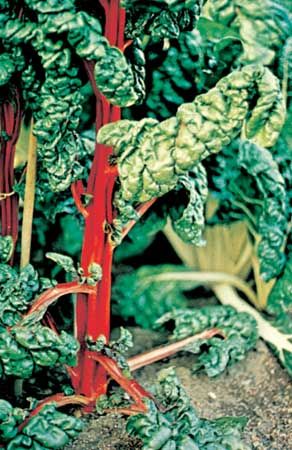
Chard, also known as Swiss chard, is a cultivated form of the plant Beta vulgaris, a member of the Amaranthaceae family. Unlike other varieties of the same species, such as the beet or sugar beet, chard is grown specifically for its edible leaves and succulent stalks rather than an enlarged root.12
The plant is a biennial typically grown as an annual in home gardens due to its productivity and tolerance for moderate heat. Its leaves are a nutritious source of vitamin A and vitamin C. While young leaves are often eaten raw in salads, larger leaves and stalks are commonly sautéed or used in soups. Because the plant is highly perishable, it is difficult to transport to distant markets. Varieties include “rainbow chard,” which features colorful stalks, as well as “silver” and “rhubarb” chard.21
How is chard related to the common garden beet?
Chard and the common garden beet are closely related because they are both cultivated forms of the same plant species, Beta vulgaris, which belongs to the Amaranthaceae family.34
While they share the same botanical classification, they have been selectively bred for different purposes:
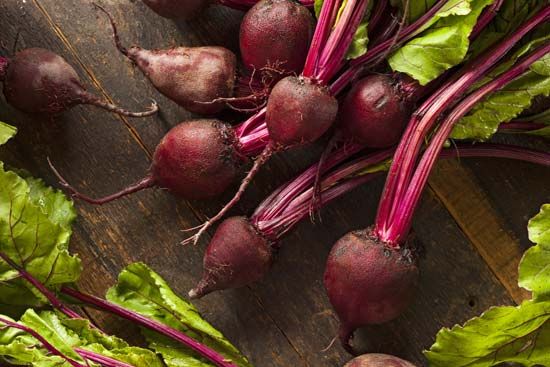
- Garden Beet: Primarily cultivated for its thick, fleshy taproot, which develops during the first growing season.4
- Chard: Specifically grown for its nutrient-rich, large leaves and succulent stalks rather than an enlarged root.34
Both plants are biennials typically grown as annuals in home gardens. Additionally, the greens from both the garden beet and chard are considered nutritious, providing vitamins A, C, and K, as well as minerals like iron.34
What are the differences between annual and biennial plants?
The primary difference between annual and biennial plants lies in the duration of their life cycles:
- Annuals: These plants complete their entire life cycle—germination, growth, flowering, and seed production—within a single growing season. Once they produce seeds, the plant dies, and the seed is the only part that survives to the next season. Examples include corn, lettuce, and marigolds.56
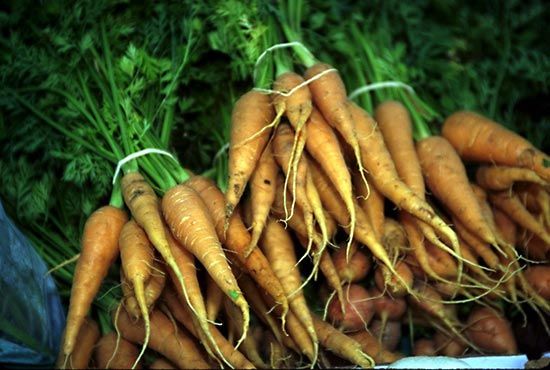
- Biennials: These plants require two growing seasons to complete their life cycle. During the first season, they focus on vegetative growth, producing roots, stems, and leaves. In the second season, they produce flowers, fruits, and seeds before dying. Common examples include carrots and beets.76
While some biennials are harvested after one season for their edible roots or leaves, they are biologically programmed to use those stored nutrients to fuel their reproductive growth in the second year if left in the ground.7
What are some other leafy green vegetables that are easy to grow?
If you are looking for easy-to-grow leafy greens, lettuce is an excellent choice for home gardens. As an annual plant, it is widely cultivated and comes in several varieties that are well-suited for different growing conditions:
- Leaf (Curled) Lettuce: Known for its rosette of leaves, this variety is often considered one of the easiest to grow because it can be harvested leaf-by-leaf throughout the season.
- Cos (Romaine) Lettuce: Features tall, oblong leaves that form a loose head; it is popular for its crisp texture.
- Butterhead Lettuce: Includes types like Bibb, which are prized for their soft, oily-textured leaves.
- Head (Cabbage) Lettuce: Includes crisphead varieties like iceberg, which form hard, dense heads but generally require specific temperature conditions to thrive.
To ensure success, lettuce requires consistent moisture, particularly in warmer weather. Gardeners often use greenhouses or protective covers to stimulate growth during unseasonable conditions. It is important to harvest the leaves before the plant begins to “bolt,” or produce a flower stalk, as this process can make the leaves bitter.
Sources
- Did you know? — Merriam-Webster
- Swiss chard — Merriam-Webster
- Chard — Encyclopædia Britannica
- Beta vulgaris — Encyclopædia Britannica
- Biennial — Encyclopædia Britannica
- Annual — Encyclopædia Britannica
- Angiosperm - General features — Encyclopædia Britannica
- gardening - Choice of plants — Encyclopædia Britannica
- horticulture - Environmental control — Encyclopædia Britannica
- Lettuce — Encyclopædia Britannica
Published on · 3 min read