Jerba
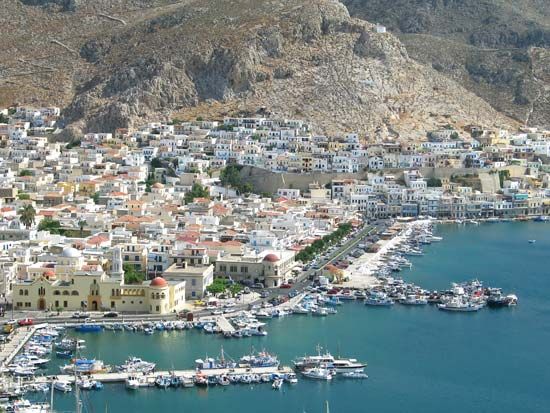
Jerba is a popular tourist destination in Tunisia known for its scenic landscape and cultural heritage. Visitors to the island often enjoy the following:
What are some popular tourist attractions or activities on Jerba island?
Jerba is a popular tourist destination in Tunisia known for its scenic landscape and cultural heritage. Visitors to the island often enjoy the following:
- Beaches: The island is widely recognized for its fine, sandy beaches along the Mediterranean Sea, which serve as a primary attraction for resort tourism.1
- Market Exploration: The principal town, Ḥawmat al-Sūq, serves as the island’s chief market center, where travelers can explore local crafts, including traditional woolens, blankets, and pottery.1
- Cultural Heritage: The island offers a unique look into history, having been settled by the Romans and later influenced by various civilizations. It is home to one of the world’s oldest Jewish communities and features a population with deep Berber roots.1
- Agriculture and Nature: The island is noted for its lush orchards, particularly those producing dates and olives, which contribute to its distinct Mediterranean character.1
What is the geographical location and size of Jerba island in Tunisia?
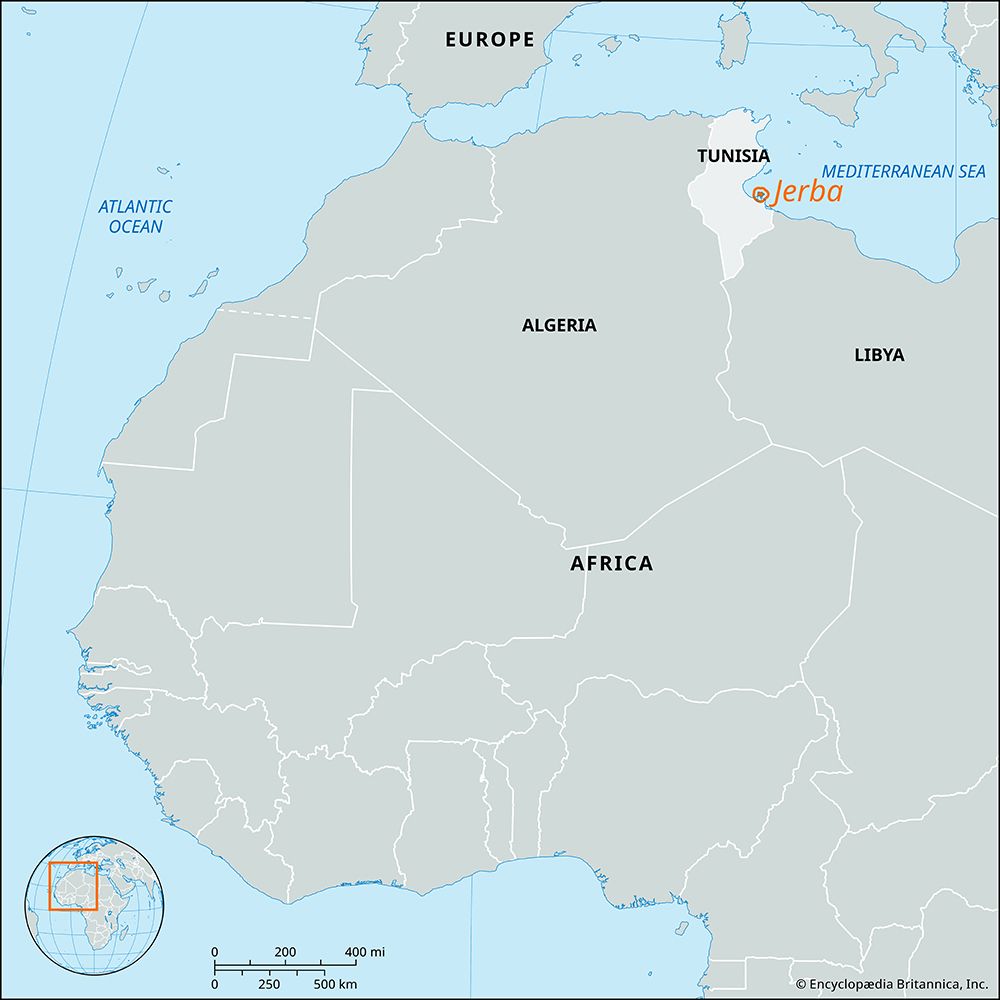
Jerba is an island located in the Gulf of Gabes on the Mediterranean Sea, situated off the coast of the Tunisian mainland. It is connected to the mainland by a causeway spanning nearly 4 miles (6 km).1
Regarding its dimensions, the island measures approximately 17 miles (27 km) in length and 16 miles (26 km) in width, encompassing a total area of 197 square miles (510 square km).1
How has Jerba’s strategic location influenced its role in Mediterranean trade over the centuries?
Jerba’s strategic position in the Gulf of Gabes made it a highly contested territory throughout history. Its location facilitated its role as a nexus for various Mediterranean powers, leading to frequent shifts in control between the 12th and 15th centuries, when the island passed repeatedly between Sicilian, Norman, and Ḥafṣid rule.1
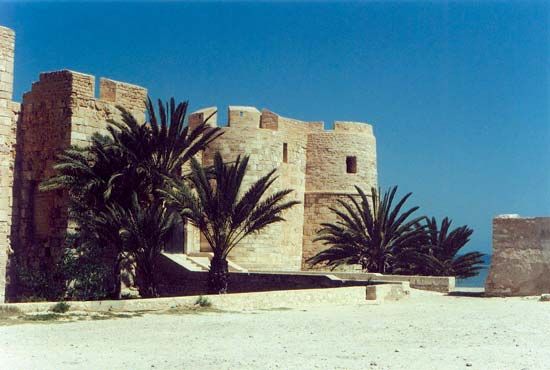
Following the Arab conquest in 655, the island became a dependency of Tunis and Kairouan, further integrating it into regional trade and political networks. Its importance as a maritime outpost was underscored by the 16th-century Spanish attempts to capture the island, which ultimately failed, leading to a period of Ottoman control that lasted until the arrival of the French in the late 19th century. Today, the island continues to leverage its geography through its role as a market center in Ḥawmat al-Sūq and its function as a port at Ajīm, supporting local industries like fishing and agriculture.1
What is the historical significance of Jerba island?
Jerba holds significant historical importance as a crossroads of Mediterranean civilizations. Known to ancient geographers as the “land of the lotus eaters,” the island was originally settled by the Romans.1
Following the Arab conquest in 655, Jerba became a dependency of Tunis and Kairouan. Between the 12th and 15th centuries, it served as a strategic prize, changing hands repeatedly between Sicilian, Norman, and Ḥafṣid rulers. After resisting Spanish incursions in the 16th century, the island remained under Ottoman control until the French arrival in the late 19th century.1
Culturally, the island is notable for its diverse heritage. It is home to a population primarily of Berber (Amazigh) origin and maintains one of the world’s oldest Jewish communities. Additionally, a portion of the population adheres to the Kharijite sect of Islam, reflecting the island’s long history of religious and cultural pluralism.1
Sources
- Jerba — Encyclopædia Britannica
- Jerba — Merriam-Webster
Published on · 2 min read