Kai Islands
The history of the Kai Islands has been significantly shaped by both colonial actions and regional trade dynamics.
How has the history of the Kai Islands been influenced by colonialism and trade?
The history of the Kai Islands has been significantly shaped by both colonial actions and regional trade dynamics.
A pivotal colonial impact occurred in the early 17th century when the Dutch drove original inhabitants away from the Banda Islands. This forced migration led to the establishment of two communities on the Kai Islands—Banda Elat and Banda Eli—which remain as historical markers of this displacement.1
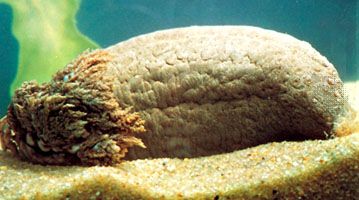
Trade has long been central to the islands’ economy. Historically, the broader Moluccas region was a nexus for Indian, Chinese, and Arab traders seeking spices. Today, the Kai Islands continue to participate in regional commerce, with a principal trade focus on copra, timber, trepang, and tortoiseshell. Tual, located on Kai Kecil, serves as the primary port and administrative center for these activities. Furthermore, the islands’ dense forests have historically provided valuable timber, reinforcing their role in the regional resource trade.21
What are the primary economic activities and natural resources of the Kai Islands?
The economy of the Kai Islands is rooted in both traditional agriculture and trade. The islands are covered in dense forests, which serve as a significant source of timber.1
Economic Activities
- Agriculture: Inhabitants cultivate crops such as rice, tobacco, plantains, yams, and corn (maize).1
- Craftsmanship: The islanders are known for their skill in wood carving, basketry, and boatbuilding.1
- Trade: The principal trade involves copra, timber, trepang, and tortoiseshell. Tual, located on the western coast of Kai Kecil, functions as the main port and administrative center for these commercial activities.1
Natural Resources
The islands possess a variety of natural resources, including:
- Timber: Sourced from the dense forests that cover the islands.1
- Flora: The islands feature fig and ironwood trees, as well as various palms and mangroves.1
- Marine Life: The surrounding reefs are home to numerous tortoises, and the waters support the collection of trepang.1
What unique traditions or customs are practiced by the people of the Kai Islands?
The people of the Kai Islands maintain a society defined by communal organization and specialized craftsmanship.
Social Structure
The social organization of the islands is primarily communal. Land ownership is structured so that untilled land is held collectively by the village, while cultivated ground is held by the individual only for as long as they actively work the soil.1
Cultural Traditions and Skills
The inhabitants, who are of Papuan ancestry with significant Malay influence, are renowned for their traditional skills:
- Craftsmanship: The islanders are highly regarded for their expertise in wood carving and basketry.1
- Boatbuilding: They are considered first-class boatbuilders, a skill that has historically supported their connection to the sea.1
- Historical Communities: A unique cultural feature is the presence of the Banda Elat and Banda Eli communities. These groups are descendants of the original inhabitants of the Banda Islands who were displaced by the Dutch in the 17th century, preserving a distinct historical identity within the Kai archipelago.1
How do the Kai Islands fit into Indonesia’s tourism industry?
Sorry, the Britannica knowledge base does not contain information regarding the role of the Kai Islands in Indonesia’s tourism industry.
Sources
- Kai Islands — Encyclopædia Britannica
- Indonesia - The Culture System — Encyclopædia Britannica
- Maluku — Encyclopædia Britannica
- Maldives - Agriculture, forestry, and fishing — Encyclopædia Britannica
- Barbados - Agriculture and fishing — Encyclopædia Britannica
- Hawaii - Agriculture, forestry, and fishing — Encyclopædia Britannica
Published on · 2 min read