Jura
The term Jura refers to several distinct geographical entities:
What is Jura?
The term Jura refers to several distinct geographical entities:
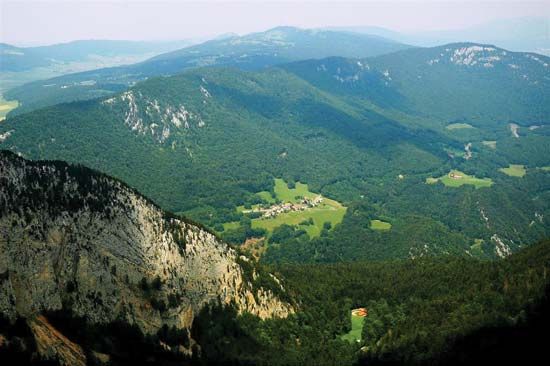
- Jura Mountains: A system of folded limestone ranges extending approximately 225 miles in an arc along the border between France and Switzerland. The name is derived from the Gaulish jor or juria, meaning “forest,” and is the namesake for the Jurassic Period of the Mesozoic Era.123
- Jura Canton: A canton in northwestern Switzerland that officially joined the Swiss Confederation in 1979. It is characterized by its agricultural economy, including cattle and horse breeding, as well as industries such as watchmaking.4
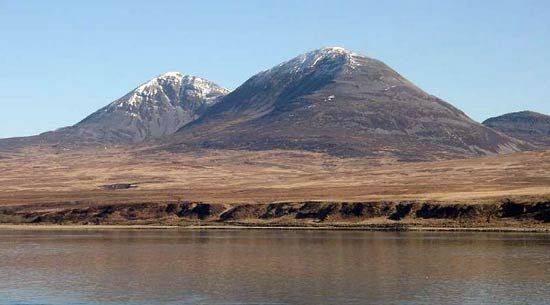
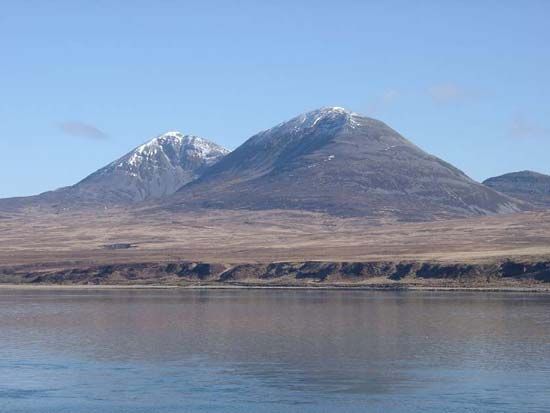
- Jura Island: An island located in the Inner Hebrides of western Scotland, south of the island of Mull.5
How did the Jura Mountains get their name linked to the Jurassic Period?
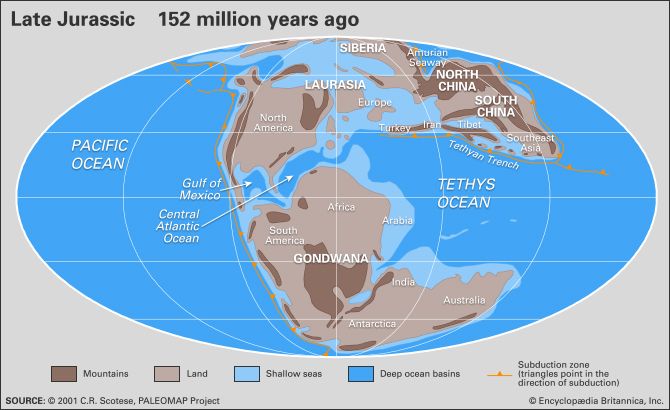
The Jurassic Period derives its name from the Jura Mountains, a range situated along the border of France and Switzerland.3
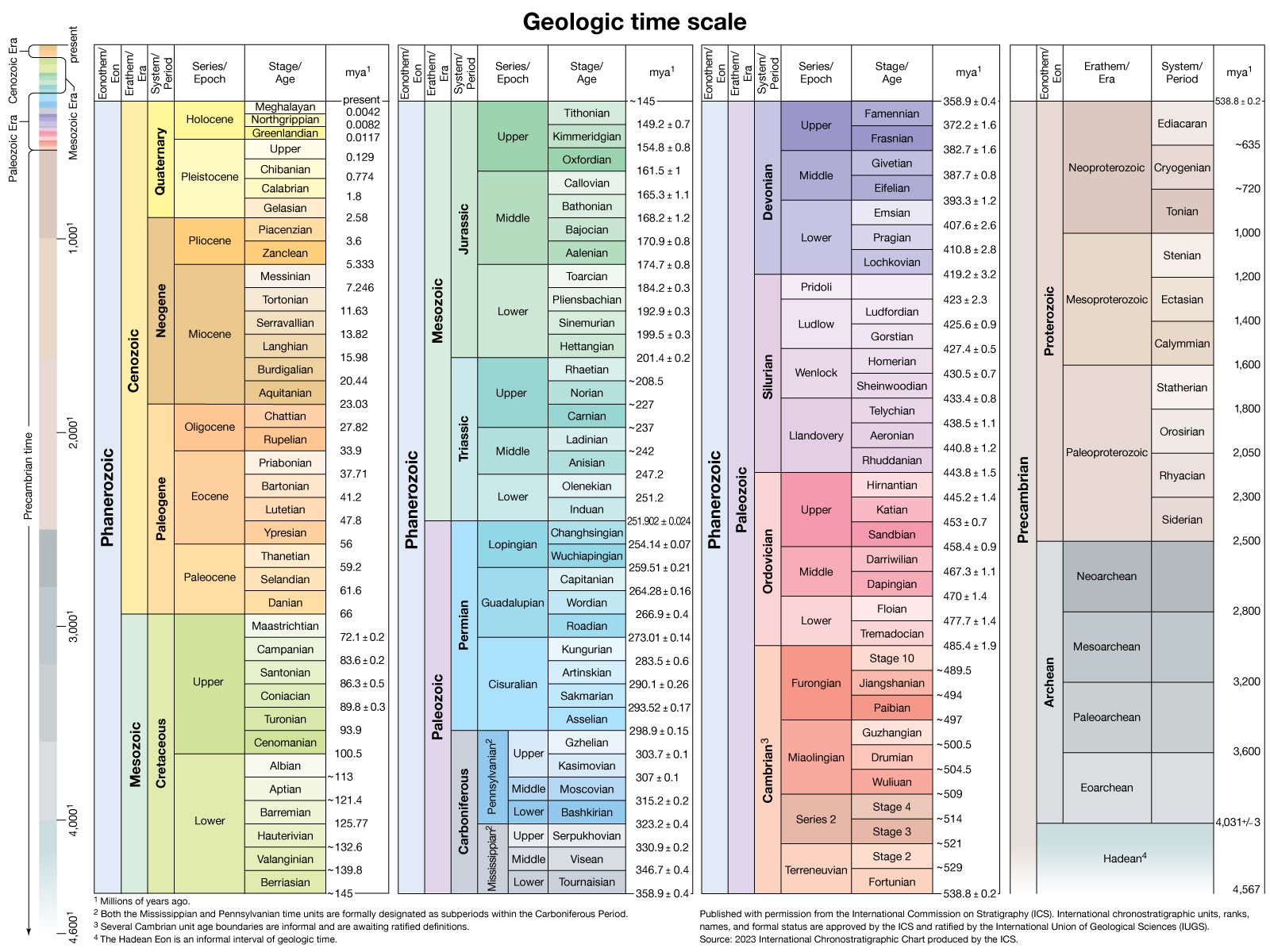
In the early 19th century, the French geologist and mineralogist Alexandre Brongniart named the period after these mountains because much of the foundational work in correlating rock strata and establishing a geologic time scale was conducted on the limestone formations found there. These specific fossil-bearing layers were famously referred to as the “Jura Limestone” by the naturalist Alexander von Humboldt. Consequently, these strata became the type locality for the Jurassic System and the corresponding geologic time period, which spans from approximately 201.3 to 145 million years ago.34
What are the main differences between the Jura canton and the Jura Mountains?
The Jura canton and the Jura Mountains are distinct entities with different definitions and scopes:
- Jura Mountains: This is a large-scale geological system of folded limestone ranges that extends approximately 225 miles in an arc along the border of France and Switzerland. Formed during the Cenozoic Era as part of the same movements that created the Alps, the mountains serve as the namesake for the Jurassic Period.2
- Jura Canton: This is a political and administrative division of northwestern Switzerland. It officially became the 23rd Swiss canton in 1979 following a movement for independence from the canton of Bern. Geographically, it comprises a portion of the Jura Mountains in the south and extends northward to the Jura Plateau.4
While the canton is a specific political jurisdiction with its own capital, Delémont, the mountain range is a vast physical feature spanning multiple regions and two countries.42
What kind of wildlife and plants are found in the Jura region today?
The Jura region is characterized by a landscape dominated by forest vegetation, which is reflected in the name “Jura” itself, derived from a Gaulish term meaning “forest.” The plant life varies significantly by elevation:
- Lower elevations: The region features oak groves and beech forests.
- Higher elevations: Beech forests are interspersed with fir trees. In the southern part of the range, these firs are replaced by sycamore maples.
- Crests: Areas above the tree line (approximately 5,300 feet or 1,600 meters) are covered with Alpine grasses.
- Specialized areas: Isolated moors can be found in locations with deposits of marl and clay.
Regarding wildlife, the Jura Mountains are noted for having very little remaining native wildlife, with the population described as practically extinct.4
Sources
- Jura — Merriam-Webster
- Jura — Encyclopædia Britannica
- Jurassic Period — Encyclopædia Britannica
- Jura Mountains — Encyclopædia Britannica
- France - Pyrenees , Jura, and Alps — Encyclopædia Britannica
Published on · 2 min read