Gulf of Gabes
The Gulf of Gabes is an inlet located on the eastern coast of Tunisia in northern Africa. Measuring approximately 60 miles (100 km) in both length and width…
What is Gulf of Gabes?
The Gulf of Gabes is an inlet located on the eastern coast of Tunisia in northern Africa. Measuring approximately 60 miles (100 km) in both length and width, it is bounded by the Qarqannah Islands to the northeast and Jarbah Island to the southeast.1
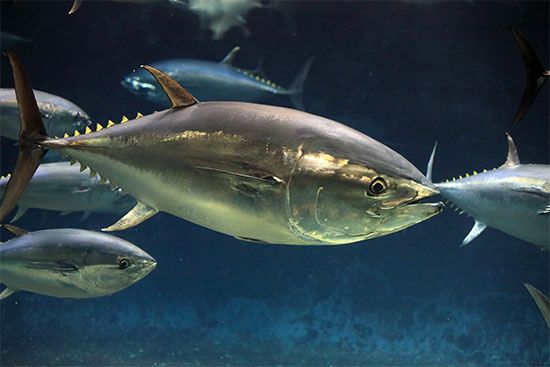
The gulf is notable for being one of the few areas in the Mediterranean with a significant tidal range, reaching about 8 feet (2.5 meters) at spring tides, which exposes extensive sandbanks at low water. Economically, the region is important for its sponge and tuna fisheries, centered at the ports of Qābis and Ṣafāqis. Additionally, the area contains offshore oil and natural-gas deposits. The town of Gabès itself serves as a major oasis and industrial hub, supporting activities such as petrochemical production and oil refining.12
Why does the Gulf of Gabes have such a unique tidal range compared to the rest of the Mediterranean?
The provided search results confirm that the Gulf of Gabes is one of the few locations in the Mediterranean Sea with a substantial tidal range, alongside the Strait of Gibraltar and the Gulf of Venice.1
While the Mediterranean is generally characterized by weak tidal movements, the specific physical mechanisms causing the unique range in the Gulf of Gabes—which reaches approximately 8 feet (2.5 meters) at spring tides—are not explicitly detailed in the provided documentation beyond the observation that these tides contribute to the complexity of local currents. The region’s hydrology is primarily influenced by a surface layer of water flowing in from the Atlantic Ocean and a complex system of eddies and currents shaped by the Mediterranean’s intricate coastline and numerous islands.14
What are the primary environmental challenges facing the coastal ecosystems of Tunisia?
The coastal ecosystems of Tunisia, particularly in regions like the Gulf of Gabes, face significant environmental challenges primarily driven by human activity.
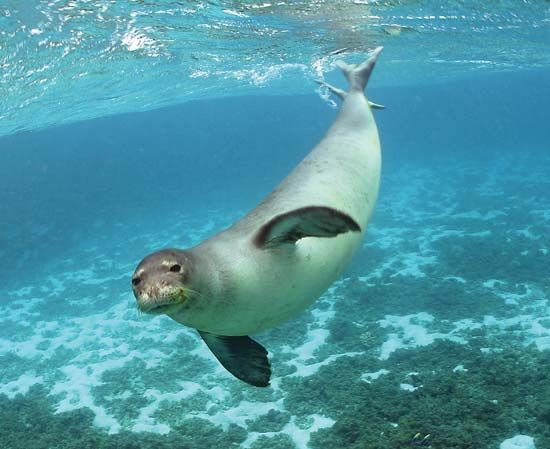
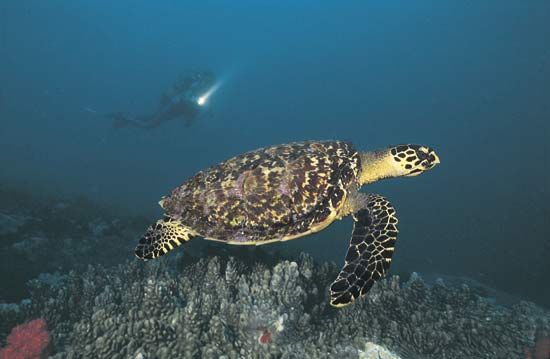
- Overfishing: The high demand for fresh fish has led to the widespread use of intensive fishing methods, such as trawl nets with small mesh sizes that capture undersized fish. Additionally, the use of long drift nets poses a severe threat to marine biodiversity by indiscriminately killing noncommercial species, including dolphins, whales, sea turtles, and the endangered monk seal.1
- Pollution and Habitat Degradation: Coastal pollution, combined with overfishing, has largely depleted natural stocks of shellfish, such as crabs, shrimps, and prawns, which were once abundant along rocky coasts. Industrial activities, including petrochemical production and oil refining in hubs like Qābis, further stress these sensitive environments.61
- Resource Exploitation: The presence of offshore oil and natural-gas deposits introduces additional risks to the marine environment, while the extraction of biological resources like sponges continues to be a focal point of local economic activity.61
We could dive deeper into the specific impacts of industrial pollution on Mediterranean biodiversity or explore how aquaculture is being used as a response to these challenges.
How did the history of the town of Gabes influence its development as a trade center?
The town of Gabès, Tunisia, has functioned as a trade center since antiquity, largely due to its strategic location on a Mediterranean oasis at the mouth of the Wadi Qābis. Its development as a commercial hub is deeply rooted in its historical transitions:
- Ancient Foundations: The town served as a significant trading center known as Tacapae during the period of Roman rule, building upon earlier Carthaginian settlements.
- Revival and Patronage: Although the town was destroyed during the 7th-century Arab invasions, it was later revived by the arrival of Sīdī Boulbaba, a companion of the Prophet Muhammad, whose presence helped restore the town’s prominence.
- Modern Infrastructure: During the French protectorate (1881–1955), Gabès experienced a significant economic revival through the construction of a port, a railway, and a road network, which modernized its capacity as a trade center.
Today, the town remains an important oasis and trade hub, integrating traditional activities like fruit growing and textile milling with modern industrial sectors, including petrochemicals and oil refining.2
(Note: Information regarding Gabon was excluded as it is a different country.)
Sources
- Gulf of Gabes — Encyclopædia Britannica
- Gabès — Encyclopædia Britannica
- Persian Gulf - Biological and mineral resources — Encyclopædia Britannica
- Mediterranean Sea - Hydrology — Encyclopædia Britannica
- Mediterranean Sea - Impact of human activity — Encyclopædia Britannica
- Mediterranean Sea - Biological resources — Encyclopædia Britannica
- Gabon - Agriculture, forestry, and fishing — Encyclopædia Britannica
Published on · 3 min read