Krâvanh Mountains
Sorry, the Britannica knowledge base does not contain information regarding the specific geological composition of the Krâvanh Mountains. While these…
What is the geological composition of the Krâvanh Mountains?
Sorry, the Britannica knowledge base does not contain information regarding the specific geological composition of the Krâvanh Mountains. While these mountains are identified as a distinct highland block in southwestern Cambodia that separates the central plain from the Gulf of Thailand, the available records focus on their geography, elevation, and climate rather than their underlying rock types or mineral makeup.12
How do the Krâvanh Mountains affect the climate and ecosystem of the surrounding region?
The Krâvanh Mountains exert a significant influence on the climate and ecology of southwestern Cambodia by acting as a barrier to moisture-laden winds.
Climate Impact
The mountain range creates a distinct rain shadow effect that results in a sharp contrast in precipitation levels between its slopes:
- Western Slopes: These slopes are subject to heavy rainfall, receiving between 150 and 200 inches (3,800–5,000 mm) annually. This high moisture availability is driven by their exposure to prevailing weather patterns, including southwest monsoons.14
- Eastern Slopes: Facing the interior Cambodian plain, these wooded slopes receive significantly less precipitation, ranging from only 40 to 60 inches (1,000–1,500 mm) per year.14
Ecosystem and Land Use
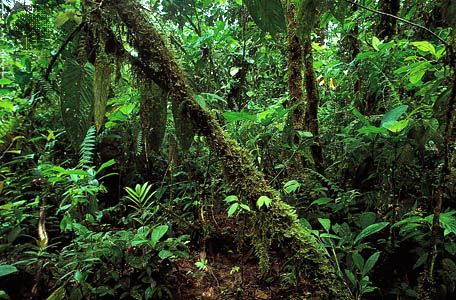
The abundant rainfall on the western side supports dense tropical rain forest ecosystems. These environmental conditions have also shaped local agriculture; the slopes of the mountains provide a suitable climate for the commercial cultivation of crops such as pepper and cardamoms.14
What is the cultural significance of the Krâvanh Mountains to the local Cambodian people?
The available information from the Britannica knowledge base does not contain details regarding the specific cultural significance of the Krâvanh Mountains to the local Cambodian people.
While the mountains are recognized as a significant geographical feature that separates the central plain from the Gulf of Thailand, they are described as a remote and largely uninhabited region. Current records focus primarily on the range’s physical relief, climate, and agricultural utility, such as the commercial cultivation of cardamoms and pepper on its slopes.12
Where are the Krâvanh Mountains located in Cambodia?
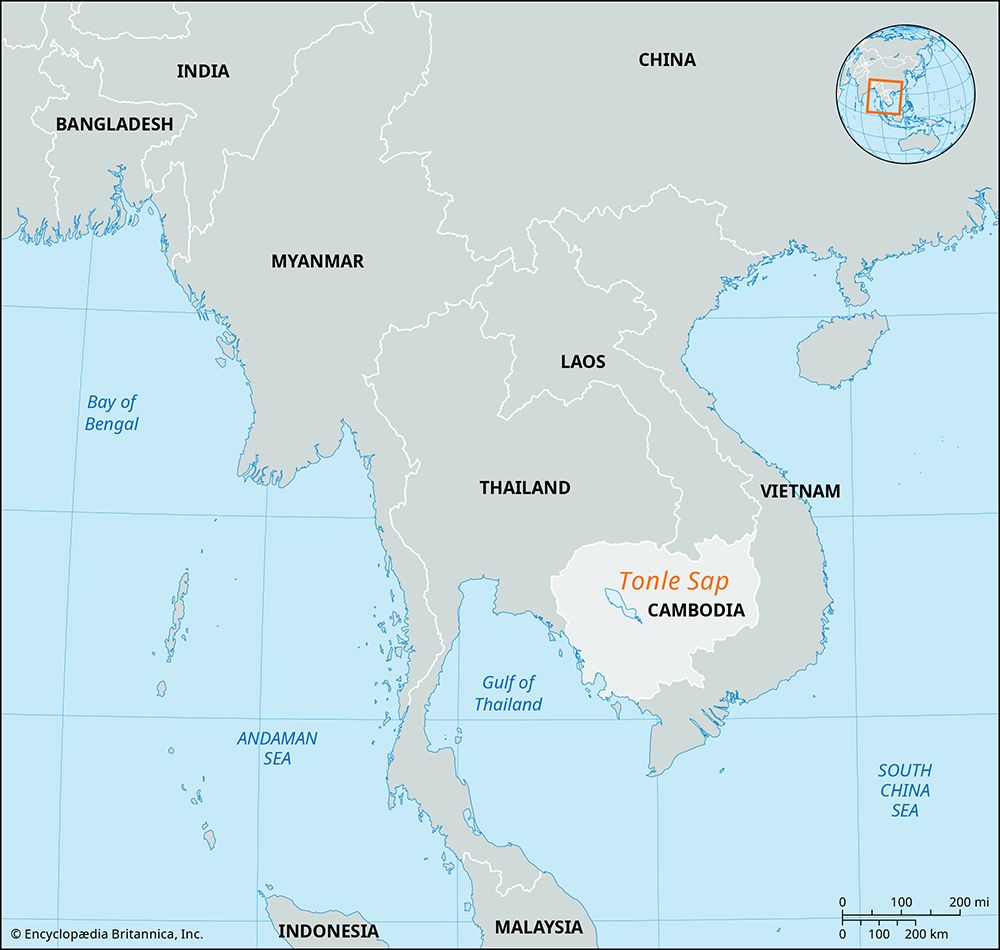
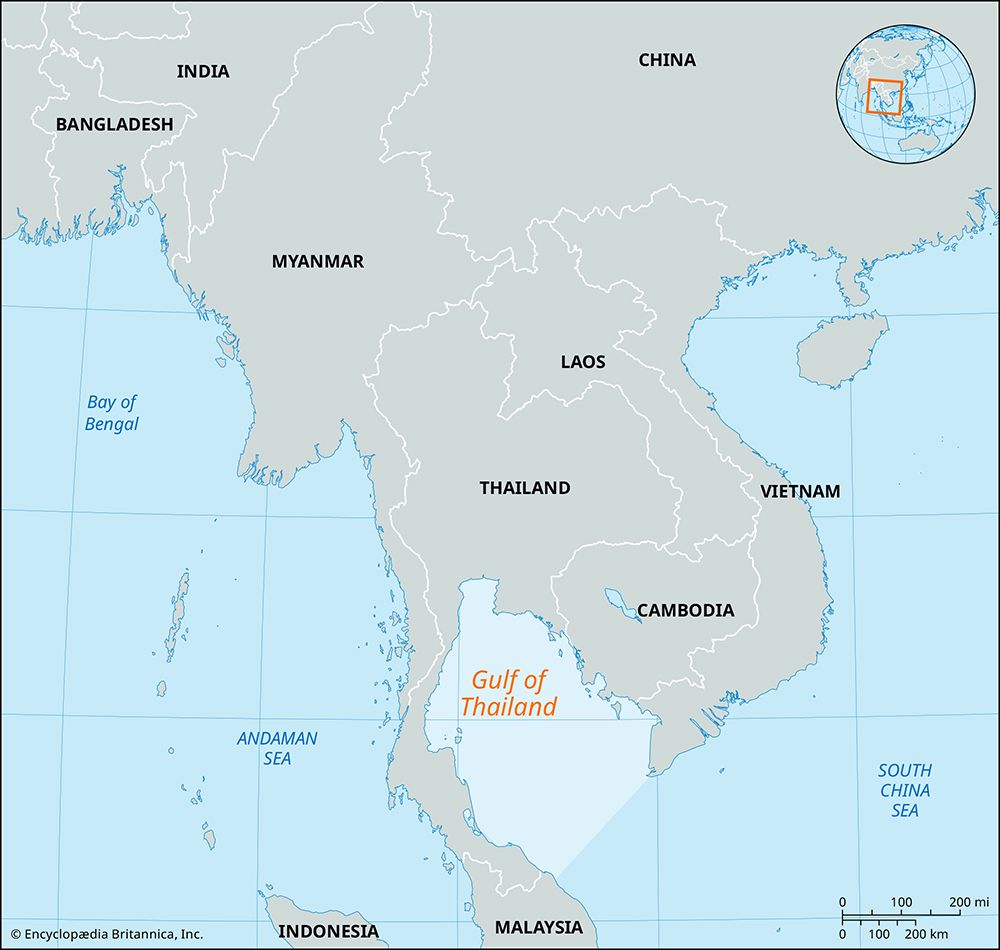
The Krâvanh Mountains (also known as the Cardamom Mountains) are located in southwestern Cambodia. They form a significant highland region that covers much of the territory situated between the Tonle Sap (Great Lake) and the Gulf of Thailand.1
The range is oriented on a southeast-northwest axis and extends for approximately 100 miles (160 km), continuing westward into the highland areas near Chanthaburi, Thailand. To the southeast, the range connects to the Dâmrei Mountains. This remote and largely uninhabited area contains the country’s highest peak, Mount Aôral, which reaches an elevation of 5,949 feet (1,813 meters).41
Sources
- Krâvanh Mountains — Encyclopædia Britannica
- Cambodia - Relief — Encyclopædia Britannica
- Cardamom Hills — Encyclopædia Britannica
- Dâmrei Mountains — Encyclopædia Britannica
- Laos - Cultural milieu — Encyclopædia Britannica
Published on · 2 min read