Tropical Rainforest
Tropical rainforests are characterized by a highly vertical stratification of plant and animal life, organized into distinct layers.
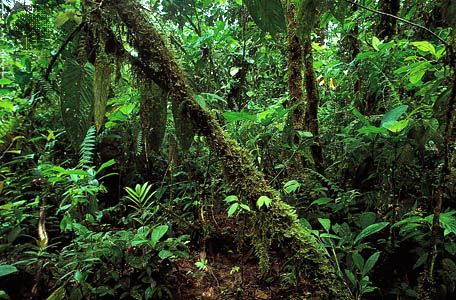
What layers make up the structure of a tropical rainforest?
Tropical rainforests are characterized by a highly vertical stratification of plant and animal life, organized into distinct layers.1
- Canopy: The highest layer, reaching heights between 30 and 50 meters. It consists primarily of broad-leaved trees that provide a habitat for animals adapted to climbing, leaping, and gliding, such as monkeys and flying squirrels.1
- Undergrowth: Located beneath the canopy, this layer is composed of small trees, lianas, and epiphytes—such as orchids, ferns, and bromeliads—that utilize larger trees for support or nutrients.1
- Ground Layer: The forest floor is typically bare, covered only by a thin layer of humus and fallen leaves. Despite common misconceptions, it is not impassable and supports large animals like elephants and gorillas, as well as burrowing creatures and microorganisms that decompose organic matter.1
The upper layers act as a filter, stabilizing the climate of the ground layer by regulating sunlight, heat radiation, and wind speeds.1
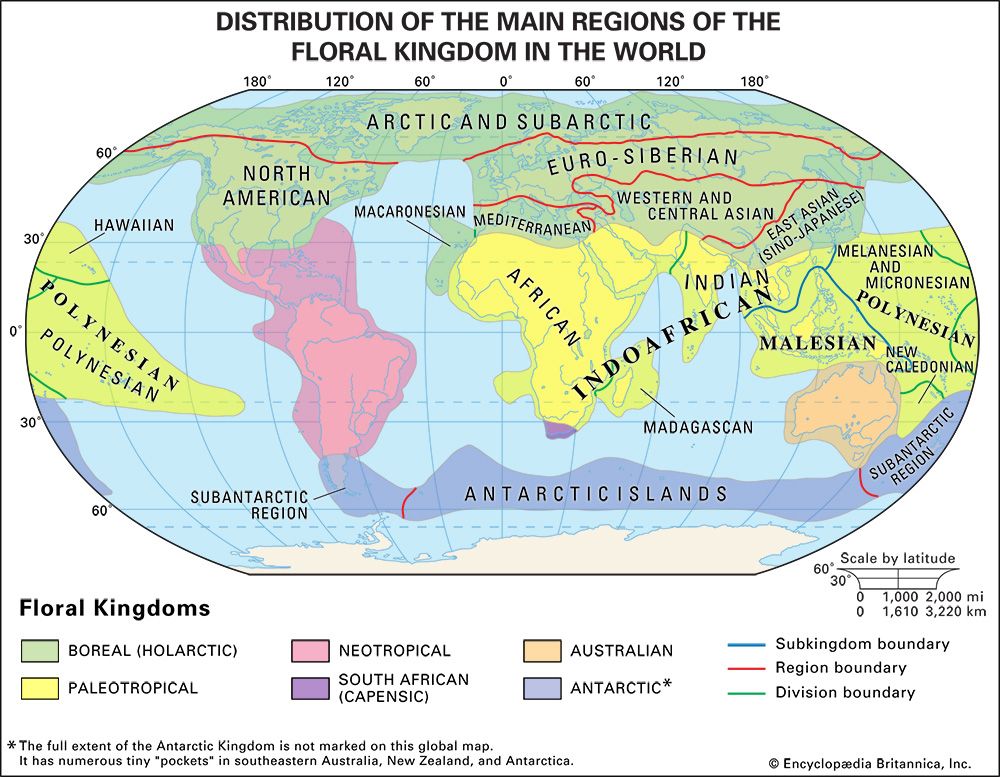
How might climate change impact tropical rainforests in the future?
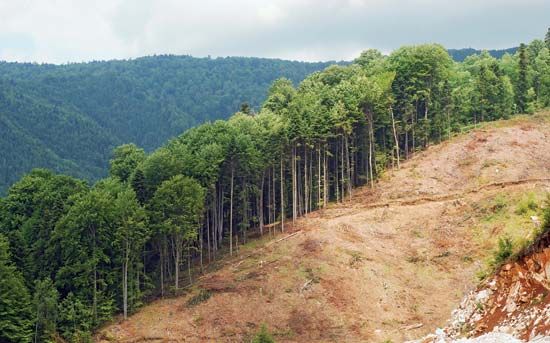
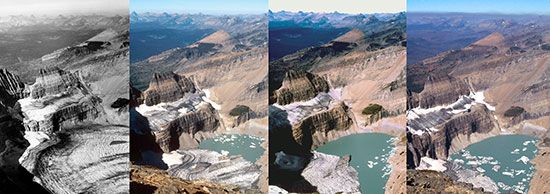
Climate change poses a severe threat to tropical rainforests, primarily by exacerbating the damage caused by human-driven deforestation and habitat alterationdriven deforestation and habitat alteration.32
The future impacts of climate change on these ecosystems include:
- Increased Vulnerability to Drought and Fire: As forests are cleared or selectively logged, they become more open and drier, making them highly susceptible to natural droughts and the accidental spread of wildfires from adjacent agricultural lands.2
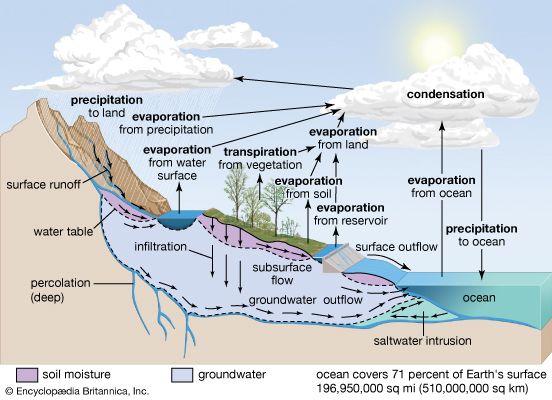
- Disruption of the Hydrologic Cycle: Tropical rainforests play a critical role in recycling rainfall through transpiration and evaporation. The loss of these forests can lead to regional droughts, as seen in the Amazon basin, where the forest supplies about half of the local rainfall.3
- Loss of Carbon Sequestration: Rainforests act as massive carbon reservoirs, absorbing over 50 percent of the carbon dioxide taken up by plants annually. When these forests are destroyed or burned, this stored carbon is released back into the atmosphere as greenhouse gases, further accelerating global warming.432
- Biodiversity Collapse: Because these forests host roughly two-thirds of Earth’s species, the combined pressure of climate change and habitat fragmentation threatens to drive an unprecedented number of species to extinction.23
We must recognize that protecting these ecosystems is a moral imperative, as their destruction undermines the health of the entire planet. Would you like to explore how reforestation efforts might help mitigate these impacts?3
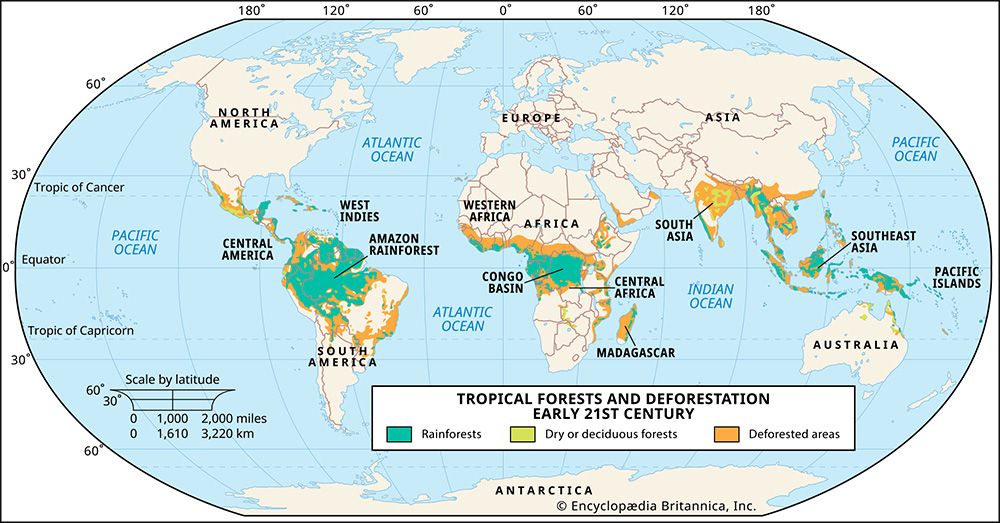
Where are tropical rainforests located around the world?
Tropical rainforests are primarily located in three major regions across the globe where the climate remains consistently hot and wet throughout the year. These regions include:23
- The Malesian Botanical Subkingdom: This area extends from Myanmar to Fiji. It encompasses the entirety of Thailand, Malaysia, Indonesia, the Philippines, Papua New Guinea, the Solomon Islands, and Vanuatu, as well as parts of Indochina and tropical Australia/Indochina) and tropical Australia.3
- The Americas: Extensive rainforests are found throughout tropical South and Central America, with the Amazon basin serving as the largest and oldest forest area in the world.36
- Africa: Significant rainforest coverage exists across West and Central Africa.3
Smaller pockets of tropical rainforest occur elsewhere in the tropics wherever local climatic conditions—specifically high annual rainfall and consistently warm temperatures—are suitable. Distribution within these regions is often influenced by topography, such as the orientation of coastlines relative to prevailing winds.23
What are some unique plant and animal adaptations found in tropical rainforests?
Tropical rainforests are characterized by intense competition for resources, leading to a remarkable array of evolutionary adaptations in both flora and fauna.
Plant Adaptations
Plants have developed specialized structures to survive in the dense, competitive environment of the rainforest:
- Structural Support: Many trees develop buttress roots—planklike extensions from the trunk—to stabilize themselves in shallow, saturated soils. Other plants, such as lianas, use grapnel-like hooks to climb toward the canopy, avoiding the energy cost of developing massive trunks.18
- Epiphytic Lifestyle: Epiphytes, including many orchids and ferns, grow on other plants to access sunlight in the upper canopy. They rely on rain and debris for nutrients rather than soil.89
- Strangler Habits: Strangler figs begin as epiphytes, eventually sending roots to the ground that encase and often kill the host tree, allowing the fig to stand independently.8
Animal Adaptations
Animals have evolved diverse strategies for movement, feeding, and survival:
- Locomotion: To navigate the vertical layers of the forest, many species have developed specialized movements, including swinging, climbing, gliding, and leaping.10
- Concealment: Animals without rapid locomotion often rely on concealing coloration to avoid predators. This includes Batesian mimicry, where harmless species evolve to resemble dangerous or unpalatable ones to deter predators.1011
- Nocturnal and Sensory Adaptations: In the dense undergrowth, many animals communicate primarily through sound rather than sight, and those that are not camouflaged often adopt nocturnal feeding habits to avoid detection.10
Sources
- Rainforest — Encyclopædia Britannica
- Tropical rainforest - Environment — Encyclopædia Britannica
- Tropical rainforest - Origin — Encyclopædia Britannica
- Deforestation - Effects — Encyclopædia Britannica
- Why are rainforests so important? — Encyclopædia Britannica
- Amazon River - Plant life — Encyclopædia Britannica
- South America - Tropical and subtropical rainforests — Encyclopædia Britannica
- Tropical rainforest - General structure of the rainforest — Encyclopædia Britannica
- Epiphyte — Encyclopædia Britannica
- Tropical rainforest - Fauna — Encyclopædia Britannica
- Tree - Tree roots — Encyclopædia Britannica
- buttress root — Merriam-Webster
- mimicry - Batesian mimicry — Encyclopædia Britannica
- concealing coloration — Encyclopædia Britannica
Published on · 4 min read