Lake Clark National Park and Preserve
Lake Clark serves as a vital component of the Lake Clark National Park and Preserve ecosystem. As the largest of more than twenty glacial lakes situated on…
What role does Lake Clark itself play in the park’s ecosystem?
Lake Clark serves as a vital component of the Lake Clark National Park and Preserve ecosystem. As the largest of more than twenty glacial lakes situated on the rim of the Chigmit Mountains, it acts as the essential headwaters for the most significant spawning ground for sockeye (red) salmon in North America.1
Beyond its role in supporting salmon populations, the lake and its associated streams provide a habitat for various other fish species, including trout and grayling. The lake is a central feature of the park’s rugged wilderness, which supports a diverse array of wildlife, such as caribou, Dall sheep, and grizzly bears, all of which rely on the health of the park’s interconnected aquatic and terrestrial environments.1
How do volcanic activities in the region affect the park’s landscape?
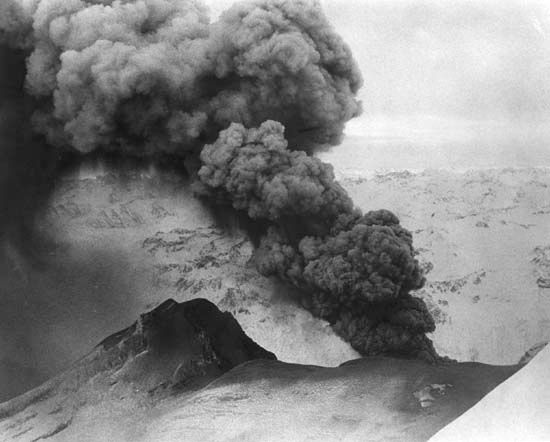
The Chigmit Mountains, which form a significant part of Lake Clark National Park and Preserve, contain two active volcanoes: Mount Redoubt and Mount Iliamna. Both of these peaks rise to elevations exceeding 10,000 feet (3,000 meters) above sea level, contributing to the park’s rugged and geologically diverse landscape.1
While the provided search results confirm the presence of these active volcanoes within the park’s boundaries, they do not detail specific, ongoing effects of volcanic activity on the park’s current landscape beyond their contribution to the region’s high-altitude terrain. More broadly, volcanic activity in such regions can result in the deposition of volcanic ash, which is often transported downwind and can serve as a stratigraphic marker in geological records.4
What are the main geographical features of Lake Clark National Park and Preserve?
Lake Clark National Park and Preserve is a rugged wilderness area in southern Alaska characterized by significant geological and ecological diversity. Its primary geographical features include:
- Mountains and Peaks: The park is situated where the Alaska Range and Aleutian Range meet, featuring the Chigmit Mountains. This range is defined by jagged peaks, granite spires, and two active volcanoes, Mount Redoubt and Mount Iliamna, both exceeding 10,000 feet in elevation.14
- Glacial Features: The landscape is shaped by dozens of glaciers and more than twenty glacial lakes, the largest of which is Lake Clark itself.1
- Hydrology: The park contains hundreds of waterfalls and numerous streams that serve as vital habitats for fish, including sockeye salmon, trout, and grayling.1
- Vegetation Zones: The terrain transitions from boreal forests (taiga) of spruce, birch, and poplar at lower elevations to tundra in the hills of the western interior.1
What kinds of wildlife can be found in Lake Clark National Park and Preserve?
Lake Clark National Park and Preserve supports a diverse array of wildlife across its varied ecosystems, ranging from boreal forests to alpine tundra.
The park is home to several large mammal species, including:
- Caribou: Often referred to as reindeer, these animals roam the park’s interior regions.1
- Bears: Both grizzly (Alaskan brown) bears and black bears inhabit the area.1
- Dall sheep: These animals are found in the rugged, mountainous terrain of the Chigmit Mountains.1
The park’s extensive network of lakes and streams provides critical habitat for various fish species, most notably serving as the primary spawning ground for sockeye (red) salmon in North America. Other fish species, such as trout and grayling, are also abundant in these waters.1
Additionally, the park hosts a variety of bird species, including bald eagles and peregrine falcons, which thrive in the park’s diverse wilderness environment.1
We could dive deeper into the specific conservation efforts protecting these species or explore the seasonal migration patterns of the park’s wildlife.
Sources
- Lake Clark National Park and Preserve — Encyclopædia Britannica
- Lake Clark National Park — Merriam-Webster
- Iliamna Lake — Encyclopædia Britannica
- Aleutian Range — Encyclopædia Britannica
- lake - Clastic sediments — Encyclopædia Britannica
Published on · 3 min read