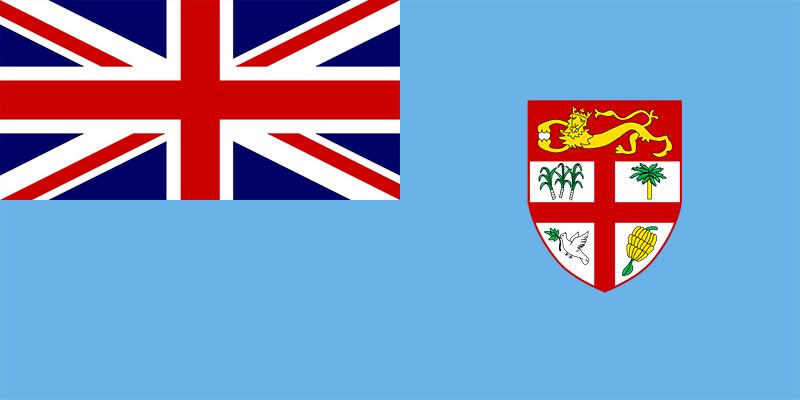
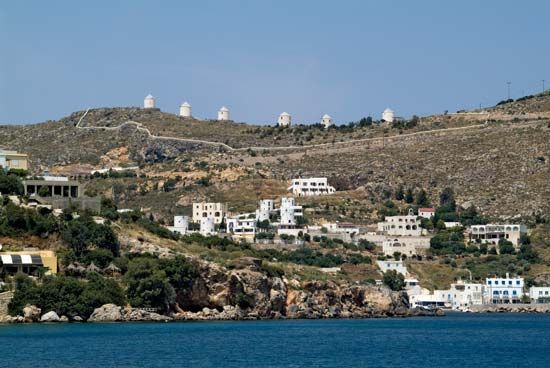
Lakeba Island
Lakeba Island is a volcanic island located in the Lau Group of Fiji in the South Pacific Ocean.
What is Lakeba Island?
Lakeba Island is a volcanic island located in the Lau Group of Fiji in the South Pacific Ocean.1
Spanning 22 square miles (57 square km), the island reaches an elevation of 720 feet (220 metres). Historically, it is significant as the site of Fiji’s first Wesleyan missionary settlement, established in 1835. Geographically, the Lakemba Passage separates Lakeba from the nearby islets of Nayau and Tuvuca to the north.1
What is the significance of the Lau Group in Fiji?
The Lau Group is a significant island cluster in eastern Fiji known for its unique cultural and historical profile. Composed of 57 limestone islands, the group serves as a cultural bridge between Melanesia and Polynesia due to its geographic proximity and long-standing historical ties to Tonga.23
Key aspects of the group’s significance include:
- Cultural Synthesis: The population exhibits a distinct blend of Polynesian and Melanesian characteristics, resulting from extensive intermarriage with neighboring Tongans.23
- Historical Milestones: Lakeba Island hosted Fiji’s first Wesleyan missionary settlement in 1835, a pivotal event in the region’s religious history.21
- Political History: The island of Vanua Balavu, specifically the port of Lomaloma, served as the base for the Tongan chief Maʻafu during his 1855 attempt to dominate the Fijian islands.2
Today, the group remains a vital part of Fiji’s diverse social fabric, with the village of Tubou on Lakeba serving as the main settlement.2
How did Wesleyan missionaries influence Fijian culture?
Methodist missionaries, who first arrived in Fiji in 1835, played a transformative role in shaping the nation’s cultural and political landscape. Their influence was characterized by several key developments:45
- Religious Conversion: The missionaries were instrumental in the widespread adoption of Christianity among indigenous Fijians. A major turning point occurred in 1854 when the influential chief Cakobau converted to Christianity, which subsequently brought the majority of the population under the influence of the Methodist church. Today, the vast majority of indigenous Fijians remain Christian, with Methodism being the most prominent denomination.456
- Political Consolidation: Missionaries often acted as intermediaries between Fijian society and foreign powers, serving as political advisers and interpreters. By aligning with powerful chiefs, they helped stabilize political structures, though this also created tensions with those who remained loyal to traditional religious beliefs and the concept of mana.5
- Social Transformation: Missionaries introduced European goods and values, which altered traditional social mores and leadership structures. Their presence helped mitigate some of the lawlessness associated with early European traders and beachcombers by promoting scriptural codes of law.5
What are the unique geological features of volcanic islands?
Volcanic islands are distinct geological structures formed primarily through volcanism, where molten rock reaches the surface to build landmasses from the seafloor. Their unique features are shaped by their origin, age, and environmental interactions:8
Formation Settings
- Island Arcs: Formed at subduction zones where tectonic plates converge, these islands often appear in long, curved chains and are frequently characterized by explosive volcanic activity.8
- Hotspots: Islands like those in the Hawaiian chain form as a tectonic plate moves over a stationary hotspot. This creates a linear progression of islands where the youngest, most active volcanoes are at one end, and the islands become progressively older and more eroded with distance.91011
Geological Evolution
- Erosion and Subsidence: As volcanic islands move away from their magma source, they become extinct and begin to cool and subside. Over millions of years, they transition from volcanic mountains to fringing reefs, then atolls, and finally submerged seamounts or flat-topped guyots.1210
- Terrain Features: Young islands often feature domelike terrain and clearly defined calderas. Older islands exhibit dramatic erosion, including sharp, craggy silhouettes, vertically grooved cliffs, and deep V-shaped valleys carved by wind, rain, and wave action.11
Sources
- Lakeba Island — Encyclopædia Britannica
- Lau Group — Encyclopædia Britannica
- Fiji - Ethnic groups — Encyclopædia Britannica
- history of Fiji - European contact and colonialism in the Fiji islands — Encyclopædia Britannica
- Pacific Islands - Missionary activity — Encyclopædia Britannica
- Fiji - Languages and religion — Encyclopædia Britannica
- Celtic religion - The impact of Christianity — Encyclopædia Britannica
- volcano - Submarine volcanoes — Encyclopædia Britannica
- volcano - Long-term environmental effects — Encyclopædia Britannica
- volcanism — Encyclopædia Britannica
- hotspot — Encyclopædia Britannica
- volcano - Fissure vents — Encyclopædia Britannica
- plate tectonics - Hotspots — Encyclopædia Britannica
- Hawaii - Relief — Encyclopædia Britannica
Published on · 3 min read