Lava Beds National Monument
The volcanic landscape of Lava Beds National Monument profoundly shapes its environment by creating a diverse array of geological features that support…
How does the volcanic landscape of Lava Beds National Monument impact its ecosystem and wildlife?
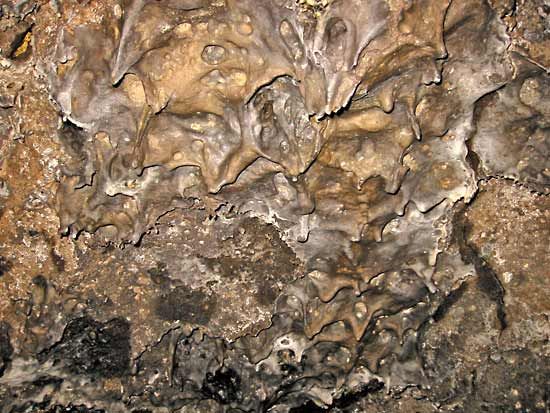
The volcanic landscape of Lava Beds National Monument profoundly shapes its environment by creating a diverse array of geological features that support varied biological communities. The monument is defined by extensive lava flows, cinder cones, and spatter cones, which provide a rugged foundation for the local ecosystem.
A key feature of this landscape is the presence of approximately 450 lava tube caves. These subterranean environments are ecologically significant, as some contain permanent ice deposits that create unique microclimates. These caves serve as essential habitats for various species, including bats.
Above ground, the volcanic terrain supports a mosaic of vegetation, ranging from grasslands and sagebrush to juniper and ponderosa pine at higher elevations. This diverse plant life sustains a wide range of wildlife, including deer and rodents. The area is also notable for its abundant bird populations, particularly raptors such as hawks, owls, and eagles, which thrive in the monument’s varied habitats.
What is the cultural significance of Lava Beds National Monument to Native American tribes in the area?
Lava Beds National Monument holds significant cultural and historical importance for Native American tribes, particularly the Modoc people. The region contains petroglyphs that are up to 4,000 years old, serving as a testament to the long-standing presence and artistic heritage of Indigenous peoples in the area.
Beyond its ancient archaeological sites, the monument is deeply connected to the Modoc War of 1872–73. During this conflict, a small group of Modoc fighters led by Kintpuash (Captain Jack) utilized the monument’s complex volcanic landscape—characterized by rugged ravines and lava tube caves—to mount an effective resistance against U.S. military forces. Captain Jack’s Stronghold remains a preserved site within the monument, marking a pivotal chapter in the struggle of the Modoc and Klamath people to maintain their autonomy and ancestral lands.
These sites are protected today as vital links to the history and resilience of the Indigenous peoples of the region.
What recreational activities are available to visitors at Lava Beds National Monument?
Visitors to Lava Beds National Monument can engage in a variety of recreational activities centered on the area’s unique volcanic geology and historical significance:
- Cave Exploration: The monument is home to approximately 450 lava tube caves. Many of these are accessible to hikers, with a high concentration of explorable caves located along Cave Loop Road, situated just south of the visitor center.1
- Hiking: Beyond the caves, visitors can explore the landscape via various trails. These paths provide access to significant historical sites, including Captain Jack’s Stronghold, where visitors can walk through the terrain used by Modoc fighters during the Modoc War.1
- Sightseeing and History: Guests can visit the Petroglyph Section in the northeastern part of the monument to view Native American rock art that dates back as far as 4,000 years.1
- Wildlife Viewing: The diverse habitats—ranging from grasslands and sagebrush to juniper and ponderosa pine forests—offer opportunities to observe local wildlife, including deer, bats, and various raptors such as hawks, owls, and eagles.1
What role did Lava Beds National Monument play in the Modoc War of 1872-1873?
Lava Beds National Monument served as a critical strategic stronghold during the Modoc War of 1872–1873, the only major conflict between Native Americans and white settlers in California1.
In 1870, an insurgent band of Modoc people led by Kintpuash, known to the U.S. military as Captain Jack, left their reservation due to poor conditions and conflict with the Klamath tribe. Seeking to maintain their autonomy, approximately 80 warriors and their families retreated into the rugged terrain of the Lava Beds.1
The area’s complex landscape of deep ravines and lava tube caves allowed the small group to mount an effective resistance against significantly larger U.S. military forces for several months. Today, the site known as Captain Jack’s Stronghold is preserved within the monument, marking this pivotal chapter of the conflict. The war concluded following the murder of Brig. Gen. Edward Canby and the eventual surrender and execution of Captain Jack.31
Sources
- Lava Beds National Monument — Encyclopædia Britannica
- Mount Saint Helens — Encyclopædia Britannica
- Modoc and Klamath — Encyclopædia Britannica
- Lava Beds National Monument — Merriam-Webster
- Native American - California — Encyclopædia Britannica
Published on · 3 min read