Logwood
Logwood (Haematoxylum campechianum) is a tree belonging to the pea family (Fabaceae), native to Central America and the West Indies. It is characterized by a…
What is logwood?
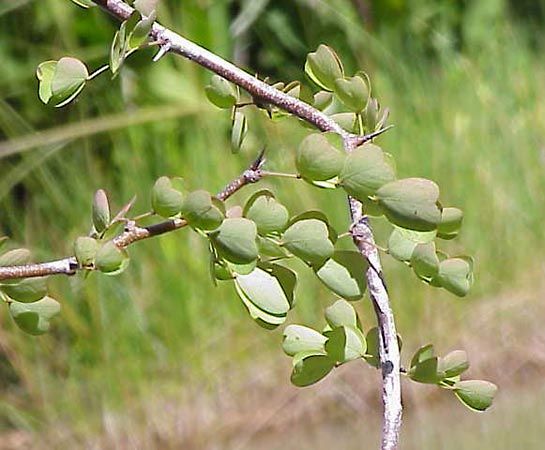
Logwood (Haematoxylum campechianum) is a tree belonging to the pea family (Fabaceae), native to Central America and the West Indies. It is characterized by a short, crooked trunk and heavy, extremely hard wood.1
Historically, the tree’s red heartwood was a significant source of black dye1. Today, logwood remains the only natural dye still in use. Its extracts yield hematoxylin, which oxidizes to hematein; when combined with chromium, it produces charcoal, gray, and black shades, primarily used for silk and leather. Beyond its industrial applications, hematoxylin is widely utilized as a histological stain, and the plant is employed in certain traditional medicine systems.21
Note that the name “logwood” is sometimes incorrectly applied to bluewood (Condalia hookeri), a different species native to southwestern North America.1
How is hematoxylin used in medical laboratories today?
In medical and biological laboratories, hematoxylin is primarily used as a staining agent to visualize cellular structures in tissue specimens.3
Because hematoxylin itself is not a direct dye, it is typically oxidized to hematein and combined with a metallic salt, such as alum, to form a complex known as alum hematoxylin. This solution is a fundamental tool in histology, where it is frequently paired with other dyes—most commonly eosin—to provide high-contrast images of cell nuclei and cytoplasm under a microscope. By staining the acidic components of the nucleus, it allows pathologists and researchers to examine the morphology of cells, which is essential for diagnosing diseases and conducting biological research.43
What other plants were historically used to create natural dyes?
Before the rise of synthetic dyes in the late 19th century, humans relied on a variety of natural sources to produce color. While many plants were tested, only a select few became widely used due to stability and extraction challenges.2
Key historical plant-based dyes include:
- Red Dyes: Alizarin was extracted from the roots of the madder plant. When combined with different mordants—such as aluminum hydroxide or ferrous salts—it could produce a range of colors, including the famous “Turkey red”.25
- Blue Dyes: Indigo was highly prized and sourced from the indigo plant in Asia or the dyerswoad herb in Europe.2
- Yellow Dyes: Common sources included luteolin from the leaves of weld and quercetin from the bark of the North American oak tree. Additionally, crocetin was obtained from the stigmas of the saffron crocus.2
These dyes often required the use of metal salts as mordants to fix the color to fibers like cotton, wool, and silk.5
Why did synthetic dyes eventually replace most natural ones?
The transition from natural to synthetic dyes was driven by the rapid expansion of the textile industry during the Industrial Revolution, which created an urgent demand for dyes that were inexpensive, readily available, and easy to apply.6
Natural dyes faced significant economic and practical limitations:
- Inconsistency: Dye quality was often subject to the whims of nature and the varying skill levels of the dye maker.6
- Logistics: Most natural dyes were imported from distant sources, leading to transportation delays that hindered production.6
- Complexity: Many natural processes were inefficient; for example, achieving a high-quality “Turkey red” could require over 20 distinct steps.6
The emergence of synthetic dyes, beginning with William H. Perkin’s discovery of mauve in 1856, offered superior brightness, stability, and a wider color range at a lower cost. These synthetic alternatives were developed through advances in organic chemistry, particularly through the systematic study of coal tar—a previously underutilized industrial byproduct. By 1900, this scientific foundation allowed synthetic dyes to capture nearly 90 percent of the industrial market.786
Sources
- logwood — Encyclopædia Britannica
- dye - Natural dyes — Encyclopædia Britannica
- hematoxylin — Merriam-Webster
- alum hematoxylin — Merriam-Webster
- dye - Mordants — Encyclopædia Britannica
- dye - Decline of natural dyes — Encyclopædia Britannica
- Sir William Henry Perkin — Encyclopædia Britannica
- dye - Synthetic dyes — Encyclopædia Britannica
- dye - Food dyes — Encyclopædia Britannica
- textile - Application process — Encyclopædia Britannica
Published on · 3 min read