Fabaceae
The Fabaceae family, commonly known as the pea or legume family, is one of the largest and most economically significant groups of angiosperms. Its members…
What are the main characteristics of plants in the Fabaceae family?
The Fabaceae family, commonly known as the pea or legume family, is one of the largest and most economically significant groups of angiosperms. Its members include a diverse range of trees, shrubs, vines, and herbs.12
Key characteristics include:
- Nitrogen Fixation: A defining ecological feature is the ability to host nitrogen-fixing bacteria in root nodules, which converts atmospheric nitrogen into a form usable by plants, significantly benefiting soil health.34
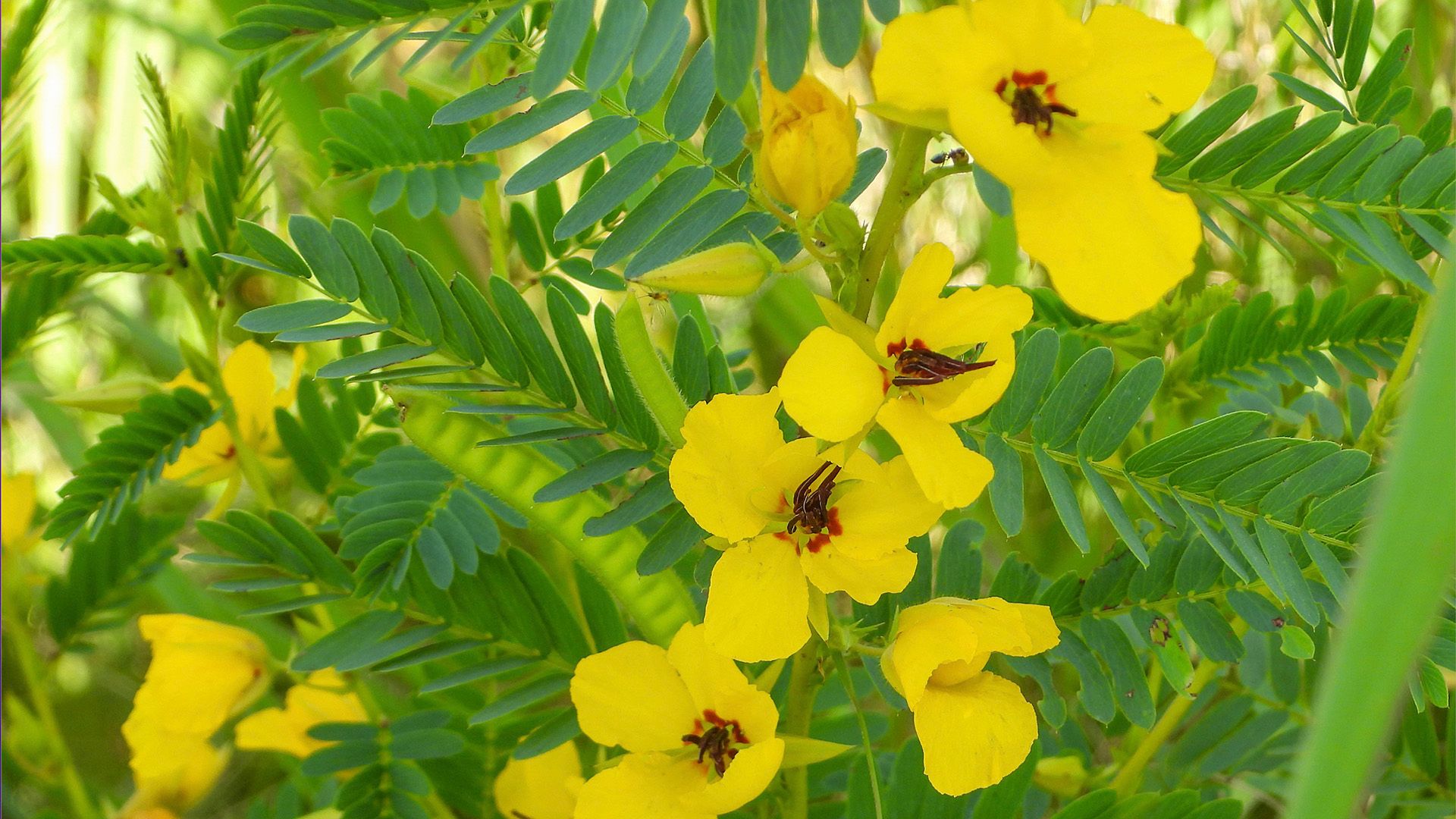
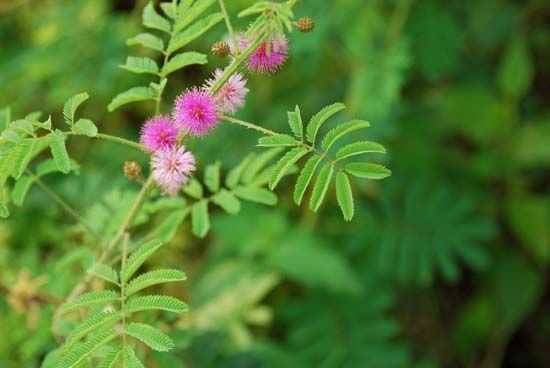
- Leaves: Typically compound (pinnate, trifoliolate, or palmate), though some species have simple leaves. A pair of stipules is usually present at the base of the petiole.25
- Flowers: Generally bisexual, often featuring five petals and commonly 10 stamens, which may be free or fused.25
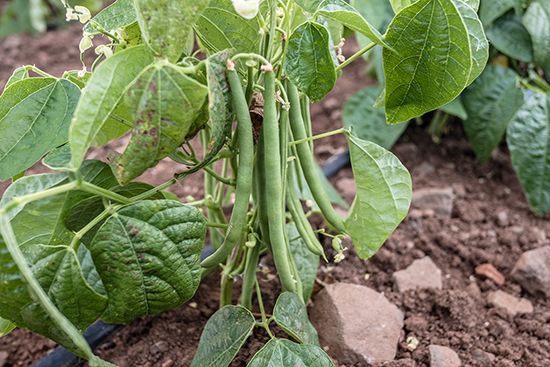
- Fruit: The unique gynoecium develops into a legume, or pod, which typically splits open along its sutures to release seeds, though many evolutionary variations exist, including indehiscent or fleshy pods.25
How many species are included in the Fabaceae family, and what are some well-known examples?
The Fabaceae family, also known as the pea or legume family, is one of the largest and most diverse groups of flowering plants. It comprises approximately 766 genera and roughly 19,580 species, ranking as the third-largest family of angiosperms globally.1
This family is vital to human and livestock nutrition, as well as industrial production. Some of the most well-known and economically significant examples include:
- Soybeans (Glycine max)
- Garden peas (Pisum sativum)
- Peanuts (Arachis hypogaea)
- Alfalfa (Medicago sativa)
- Green beans (Phaseolus vulgaris)
- Lentils
- Chickpeas
- Carobs (Ceratonia siliqua)
- Tamarind
These plants are highly valued for their protein-rich seeds and their unique ability to perform nitrogen fixation through a symbiotic relationship with Rhizobium bacteria, which helps maintain soil fertility.167

How have Fabaceae plants been used in traditional medicine and cuisine across different cultures?
Plants in the Fabaceae family have served as foundational elements in both global cuisine and traditional medicine for millennia.
Culinary Uses
Legumes are a primary source of protein and dietary fiber for billions of people, often balancing the nutritional deficiencies of cereal-based diets.829
- East Asian Staples: Soybeans have been used for thousands of years to produce tofu, soy milk, soy sauce, miso, and tempeh), miso, and tempeh.12
- Middle Eastern and Mediterranean Cuisine: Chickpeas are central to dishes like hummus and falafel, while various beans are staples in soups and stews.10
Traditional Medicine and Pharmacological Potential
While many legumes are nutritious, some produce secondary compounds—such as alkaloids and flavonoids—that are being studied for their medicinal properties.11
- Historical Medicine: In East Asia, soybeans have long been utilized as a component of traditional medicines.12
- Modern Research: Compounds like phytohemagglutinin, found in the common bean, have shown potential in treating aplastic anemia and inactivating certain tumor cells.11
However, it is vital to note that some species are toxic; for example, the jequirity bean is deadly poisonous, and excessive consumption of certain legumes can cause serious neural or bone diseases.211
What is the evolutionary history of the Fabaceae family?
The evolutionary history of the Fabaceae family is characterized by complex phylogenetic relationships and significant structural diversity. The family belongs to the order Fabales, which is closely related to other nitrogen-fixing Rosid orders, including Rosales, Cucurbitales, and Fagales.13
Molecular evidence and fossil records indicate that the Caesalpinioideae subfamily contains the earliest diverging lineages within the legumes. This group exhibits high tropical diversity and a wide range of floral and vegetative structures. Research suggests that the other major subfamilies, Mimosoideae and Papilionoideae, were derived from specific lineages within the diverse Caesalpinioideae group.13
A defining evolutionary trait of the family is the symbiotic relationship with Rhizobium bacteria for nitrogen fixation. While this trait is central to the family, it appears to have originated within the Caesalpinioideae and became more specialized in later groups. Furthermore, while the basic fruit type is a dehiscent pod, evolution has led to diverse modifications, including indehiscent structures and subterranean pods, such as those found in the peanut.134
Sources
- Fabaceae — Encyclopædia Britannica
- Fabales: Top Questions — Encyclopædia Britannica
- Fabales - Characteristic morphological features — Encyclopædia Britannica
- Fabaceae - Nitrogen fixation — Encyclopædia Britannica
- Fabaceae - Physical description — Encyclopædia Britannica
- Fabaceae - Major subfamilies and their genera — Encyclopædia Britannica
- Legume — Encyclopædia Britannica
- Fabales — Encyclopædia Britannica
- Chickpea — Encyclopædia Britannica
- Fabaceae: Top Questions — Encyclopædia Britannica
- Fabaceae - Biochemicals — Encyclopædia Britannica
- soybean — Encyclopædia Britannica
- Fabales - Evolution — Encyclopædia Britannica
- Fabales - Classification of Fabaceae — Encyclopædia Britannica
Published on · 3 min read