Bird’s-foot Trefoil
Bird’s-foot trefoil (Lotus corniculatus) is a perennial herbaceous plant belonging to the pea family (Fabaceae). Native to Europe and Asia, it is widely…
What is bird’s-foot trefoil?
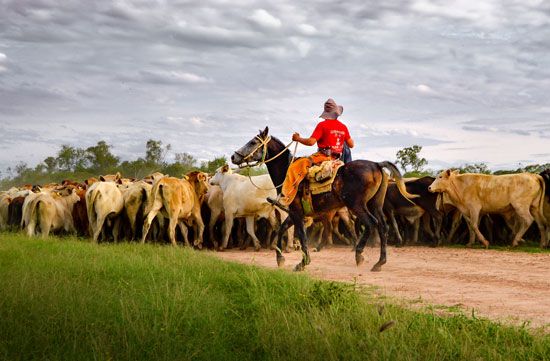
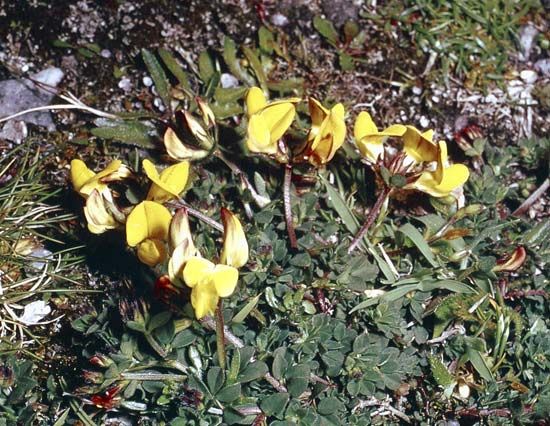
Bird’s-foot trefoil (Lotus corniculatus) is a perennial herbaceous plant belonging to the pea family (Fabaceae). Native to Europe and Asia, it is widely cultivated as forage for cattle and is also utilized for erosion control.12
The plant features spreading stems that grow up to 60 cm (2 feet) long, bearing compound leaves with three or five oval leaflets. Its flowers are typically yellow, sometimes streaked with red, and appear in clusters. The plant derives its common name from its fruits—straight, thin legumes that grow in clusters resembling the feet of a bird. While occasionally considered a weed, a double-flowered variety is sometimes grown as a garden ornamental.132
What are some other common plants in the pea family?
The Fabaceae family, commonly known as the pea or legume family, is one of the largest and most economically significant groups of angiosperms. It encompasses a vast array of trees, shrubs, vines, and herbs that provide essential food crops, forage, timber, and ornamental beauty.45
Below are some common and economically important members of the family categorized by their primary uses:
- Food Crops: Soybeans, garden peas, peanuts, chickpeas, lentils, common beans, and tamarind.465
- Forage and Fodder: Alfalfa, clover, lupine, and bird’s-foot trefoil.5
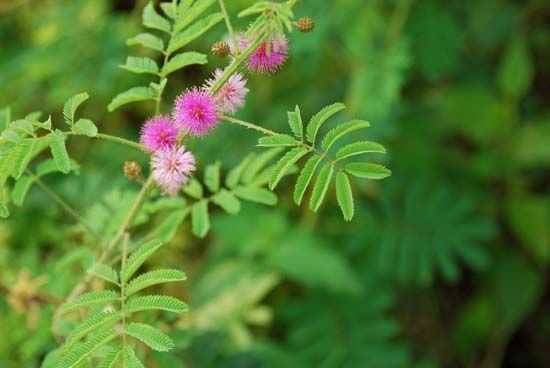
- Ornamentals: Wisteria, sweet pea, redbud, mimosa, and golden chain.5
- Invasive Species: Kudzu vine, honey locust, mesquite, and sensitive plant.5
- Dyes and Timber: Indigo, logwood, and narra.5
These plants are highly valued for their nutritional content, particularly their high protein levels, and their role in sustainable agriculture.65
How do legumes help improve soil health?
Legumes play a vital role in improving soil health primarily through a unique symbiotic relationship with nitrogen-fixing bacteria known as Rhizobium.
The Process of Nitrogen Fixation
These bacteria inhabit root nodules on the legume, where they convert atmospheric nitrogen—which is otherwise unusable by most plants—into ammonia compounds. This process provides the host plant with essential nutrients for growth. When the legume’s roots and other plant parts decay, these nitrogen-rich compounds are released into the soil, significantly increasing its fertility for subsequent crops.89
Agricultural Benefits
Beyond nitrogen enrichment, legumes contribute to soil health in several ways:
- Erosion Control: As cover crops, legumes help stabilize the ground and reduce soil erosion.9
- Green Manure: Legumes can be plowed directly into the soil to act as green manure, adding organic matter and nutrients.9
- Crop Rotation: Alternating legumes with other crops helps break pest and weed cycles by changing the growing environment.9
Why is bird’s-foot trefoil useful for erosion control?
Bird’s-foot trefoil (Lotus corniculatus) is a perennial herbaceous plant in the Fabaceae family that is widely utilized for erosion control.12
Its effectiveness in this role is largely attributed to its growth habit. The plant features a spreading stem that can reach up to 60 cm (2 feet) in length, allowing it to form a dense ground cover that helps stabilize soil and protect it from the elements. As a member of the legume family, it also benefits from the ability to improve soil quality through nitrogen fixation, which supports the growth of a robust root system that further anchors the earth.12
Sources
- bird’s-foot trefoil — Encyclopædia Britannica
- bird's-foot trefoil — Merriam-Webster
- lotus — Encyclopædia Britannica
- Fabaceae — Encyclopædia Britannica
- Fabaceae - Major subfamilies and their genera — Encyclopædia Britannica
- Legume — Encyclopædia Britannica
- list of economically important members of the family Fabaceae — Encyclopædia Britannica
- Nitrogen-fixing bacteria — Encyclopædia Britannica
- Fabaceae - Nitrogen fixation — Encyclopædia Britannica
Published on · 2 min read