Lough Derg
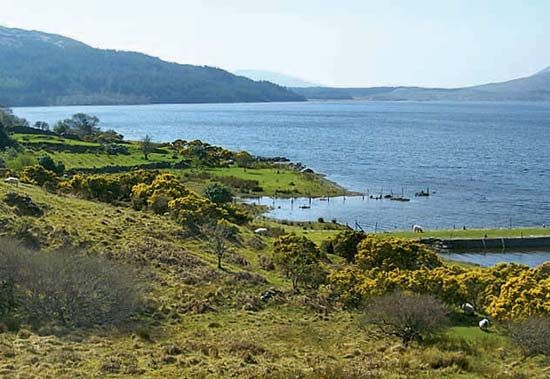
Lough Derg is a lake located on the River Shannon in Ireland. It spans the boundaries of Counties Tipperary, Galway, and Clare.
What is Lough Derg?
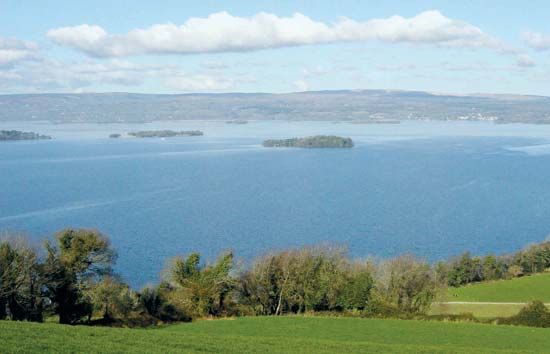
Lough Derg is a lake located on the River Shannon in Ireland. It spans the boundaries of Counties Tipperary, Galway, and Clare.1
The lake measures 24 miles (39 km) in length and covers an area of 37 square miles (96 square km), reaching a maximum depth of 119 feet (36 m). It features numerous islands, and its southern gorge was the site of Ireland’s first modern hydropower system. Notable towns along its shores include Portumna at the northern end, and Killaloe and Ballina at the southern end. It is important to distinguish this lake from another body of water sharing the same name located on the River Derg in County Donegal.1
What is the significance of the River Shannon to Ireland?
The River Shannon is the longest river in Ireland, serving as the primary drainage system for the country’s central lowlands. Its significance is defined by its historical, economic, and geographical roles:23
- Geographical Importance: Spanning approximately 161 miles, it flows through a landscape of marshes, bogs, and lakes, including Lough Ree and Lough Derg. It acts as a vital inland waterway that connects various regions of the island.2
- Energy and Infrastructure: The river is a critical source of renewable energy; its waters feed the Ardnacrusha hydroelectric power station, which utilizes the significant drop in elevation between Lough Derg and the sea. Additionally, the estuary near Limerick has been utilized for major infrastructure, including Shannon International Airport.2
- Historical Connectivity: In the 19th century, the Shannon was a vital link in Ireland’s transportation network, connected to Dublin via the Grand Canal and the Royal Canal. While commercial traffic has declined, the river remains a popular destination for tourism and pleasure craft.24
How does a hydropower system work?
A hydroelectric power system generates electricity by converting the potential energy of falling or fast-flowing water into mechanical energy and, ultimately, into electricity.6
The process typically functions as follows:
- Water Collection: Water is stored at a higher elevation, often behind a dam, creating a difference in elevation known as the head. A higher head allows for greater power generation from a smaller volume of water.6
- Conveyance: The water is directed downward through large pipes or tunnels called penstocks into a [powerhouse].6
- Energy Conversion: The falling water strikes the blades of a turbine, causing it to rotate. This rotation converts the water’s energy into mechanical energy.67
- Generation: The turbine is coupled to an electric generator, which converts the mechanical rotation into electricity.68
- Transmission: Transformers increase the voltage of the generated electricity to make it suitable for long-distance transmission.6
Some systems, known as pumped-storage stations, can pump water back to an elevated reservoir during periods of low electricity demand to be reused during peak hours.6
What are some other famous lakes in Ireland?
Ireland is home to numerous significant lakes, often referred to as “loughs.” Here are some of the most notable:
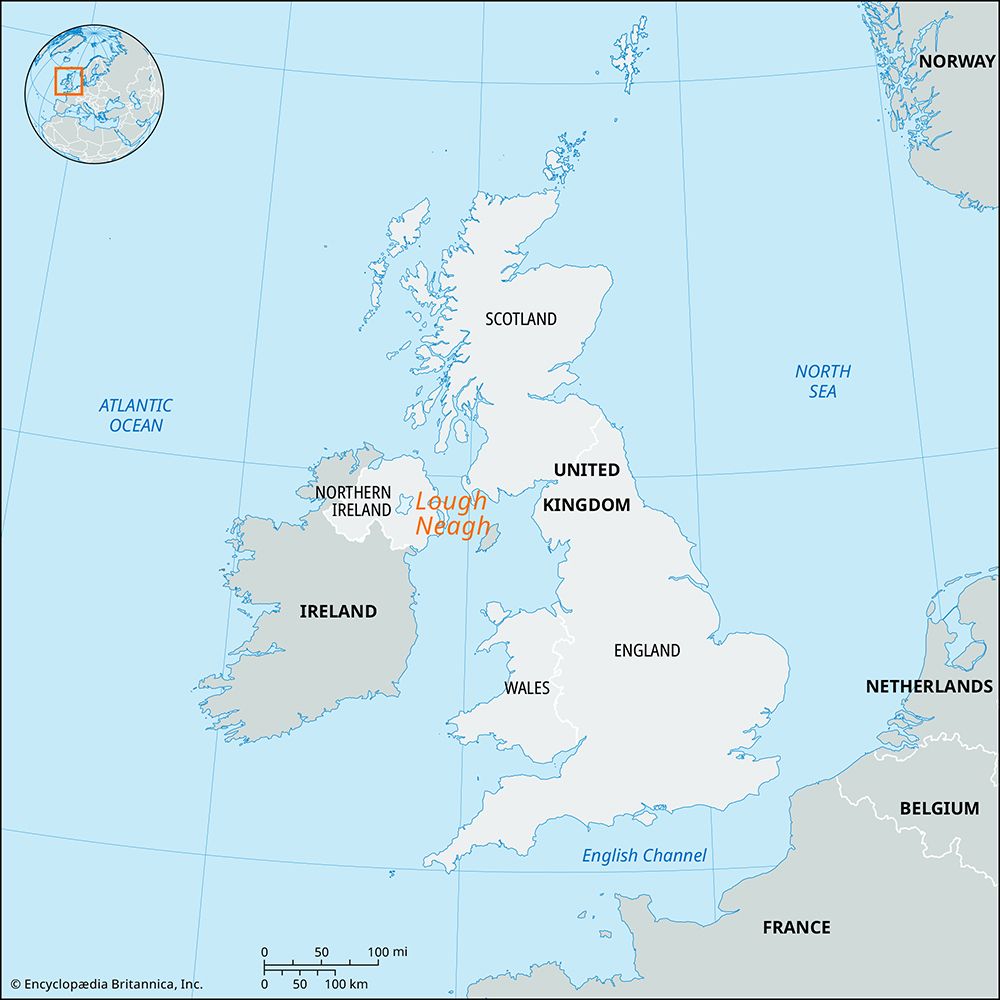
- Lough Neagh: Located in Northern Ireland, this is the largest lake in the British Isles, covering 153 square miles. It is historically significant for yielding some of the oldest human artifacts found in Ireland.11
- Lough Corrib: Situated in Counties Galway and Mayo, this large limestone lake is famous for its many islands, which house ancient ecclesiastical ruins and castles.12
- Killarney Lakes: Located in County Kerry, this system includes Lough Leane, Muckross Lake, and the Upper Lake. They are renowned for their scenic beauty and are situated within Killarney National Park.13
- Lough Derg: A major lake on the River Shannon, it is notable for its role in early Irish hydropower development and its position bordering three counties.14
- Lough Mask: Connected to Lough Corrib by an underground river, this lake is well-regarded by anglers for its brown trout.15
- Lough Foyle: An inlet on the north coast, this body of water has served as a vital fishing area and maritime passageway since ancient times.1
Sources
- Lough Derg — Encyclopædia Britannica
- River Shannon — Encyclopædia Britannica
- Ireland - Waterborne traffic — Encyclopædia Britannica
- Ireland - Drainage of Ireland — Encyclopædia Britannica
- Shannon — Merriam-Webster
- Did you know? — Merriam-Webster
- hydroelectric power — Encyclopædia Britannica
- turbine — Encyclopædia Britannica
- turbine - Water turbines — Encyclopædia Britannica
- electric generator - Waterwheel generators — Encyclopædia Britannica
- Lough Corrib — Encyclopædia Britannica
- Killarney — Encyclopædia Britannica
- Lough Neagh — Encyclopædia Britannica
- Lough Mask — Encyclopædia Britannica
- Lough Foyle — Encyclopædia Britannica
Published on · 3 min read