Lough Corrib
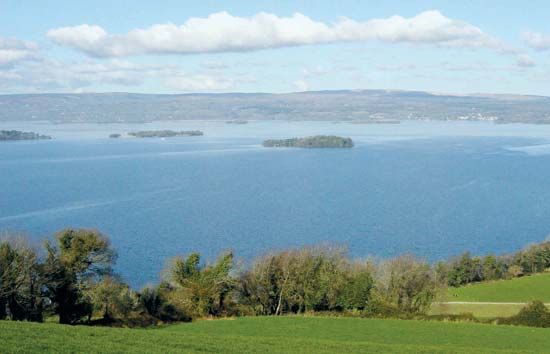
Lough Corrib is a large lake located in Counties Galway and Mayo in western Ireland. It was formed through the glacial deepening and the dissolution of…
What is Lough Corrib?
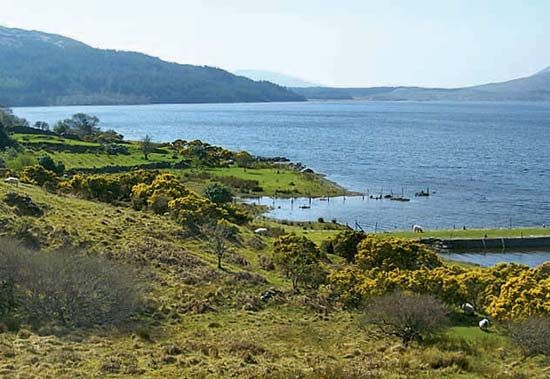
Lough Corrib is a large lake located in Counties Galway and Mayo in western Ireland. It was formed through the glacial deepening and the dissolution of limestone bedrock. Covering an area of 68 square miles (176 square km), the lake is characterized by its irregular shape and a long arm that extends northwest toward Lough Mask. The lake is drained by the River Corrib.
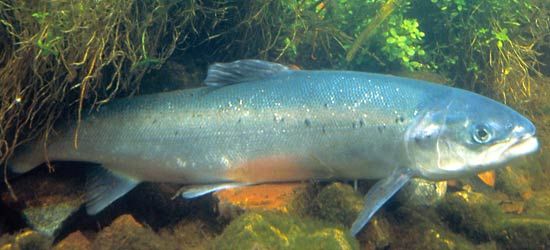
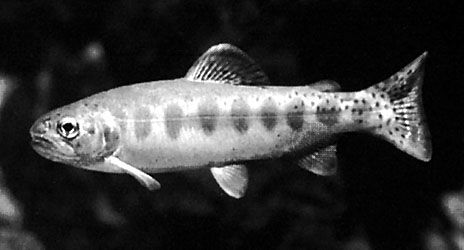
Beyond its geography, the lake is notable for its many islands, which feature various castles and ecclesiastical ruins. It is also a popular destination for anglers, particularly for its populations of salmon and trout.1
How was the limestone bedrock shaped by glaciers?
Glaciers shape limestone bedrock primarily through mechanical erosion and by preparing the surface for subsequent chemical weathering. The process involves several key mechanisms:
- Scouring and Abrasion: As glaciers move, they act like powerful sandpaper. The basal ice, embedded with rock debris ranging from fine particles to large boulders, grinds against the underlying limestone. This process creates streamlined landforms and leaves behind “tool-marks,” such as scratches and deep gouges, while scraping away soil and weathered material to expose bare bedrock.2
- Plucking and Quarrying: Glaciers remove larger blocks of limestone through a process called plucking. This occurs when ice flows around bedrock obstacles, creating high stress gradients that pull the rock apart along existing joints or cracks. Additionally, the pressure of refreezing meltwater (regelation) can force rock fragments apart, allowing the glacier to lift and transport them.2
- Pavement Karst Formation: By stripping away soil and loose debris, glaciation initiates the development of pavement karst. Once the bare limestone is exposed, it becomes susceptible to solutional weathering from rainfall and snowmelt, which creates small, intricate landforms known as karren.
What kind of wildlife lives in and around the lake?
Lough Corrib is well known for its diverse aquatic life, which makes it a popular destination for anglers. The lake supports significant populations of salmon and trout, along with various other fish species that thrive in its limestone-rich waters.1
While the provided information focuses on the lake’s primary game fish, the surrounding environment of the lake—including its many islands and shoreline—provides habitats for a variety of birds and terrestrial wildlife common to the Irish landscape.
What is the historical significance of the ruins on the islands?
The ruins found on the islands of Lough Corrib hold significant historical value, serving as remnants of Ireland’s rich ecclesiastical and medieval past. These sites include various ecclesiastical ruins and castles, which reflect the historical importance of monasticism in the region.
During the 6th and 7th centuries, a comprehensive monastic system flourished in Ireland. These settlements were often linked to the reputations of great saints and the political dynasties that supported them. While early Irish monasticism was characterized by an austere existence and a focus on missionary work—exemplified by figures like St. Columba and St. Columban—the ruins on the islands of Lough Corrib stand as physical evidence of the influence and reach of these early Christian communities before the eventual adoption of the Roman administrative church system.81
Sources
- Lough Corrib — Encyclopædia Britannica
- glacial landform - Glacial erosion — Encyclopædia Britannica
- cave - Pavement karst — Encyclopædia Britannica
- glacial landform - Glaciolacustrine deposits — Encyclopædia Britannica
- Ireland - Relief — Encyclopædia Britannica
- lake - Basins formed by glaciation — Encyclopædia Britannica
- Europe - Pleistocene glaciation — Encyclopædia Britannica
- Ireland - Irish monasticism — Encyclopædia Britannica
Published on · 2 min read