Luzon
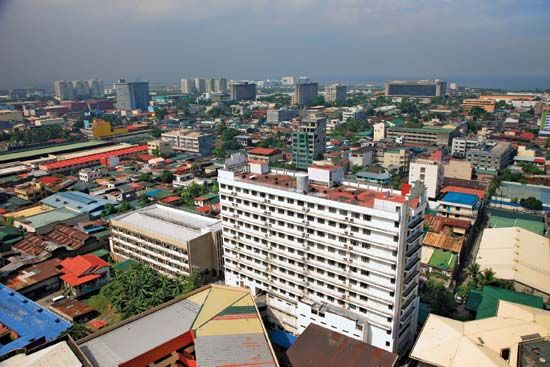
Luzon, the largest island in the Philippines, is home to several major cities that serve as vital economic, cultural, and educational hubs.
What are some of the major cities on Luzon, and what are they known for?
Luzon, the largest island in the Philippines, is home to several major cities that serve as vital economic, cultural, and educational hubs.
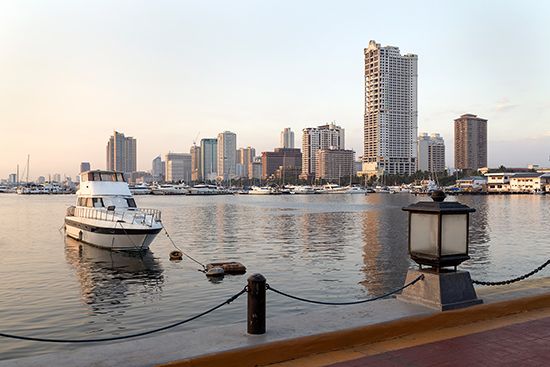
- Manila: The nation’s capital and a major metropolis, it is the center of government, trade, and Roman Catholicism. It has a rich history as a colonial center and is a primary gateway for international commerce.12
- Quezon City: Located northeast of Manila, it served as the national capital from 1948 to 1976. It is known for its educational institutions, such as the University of the Philippines, and as a significant transportation and commercial junction.3
- Baguio: Situated in the pine-clad mountains of west-central Luzon, it was formerly the summer capital. It is a premier resort city and a center for gold and copper mining.4
- Makati: A key financial and industrial suburb of Manila, it is known for its modern manufacturing complexes and affluent residential areas.5
- Angeles: Historically linked to the former Clark Air Base, it has transitioned into an important economic zone and international airport hub following the base’s conversion.6
What are the major ethnic groups and languages found on Luzon?
Luzon is home to a diverse array of ethnic and linguistic groups, most of which belong to the Austronesian (Malayo-Polynesian) language family.78
Major Ethnic and Linguistic Groups
- Tagalog: The largest cultural-linguistic group in the Philippines, they are concentrated in Manila, central Luzon, and surrounding provinces. Their language serves as the foundation for Pilipino, the national languagePilipino](https://www.britannica.com/topic/Pilipino-language), the national language.9107
- Ilocano: The third-largest group, traditionally inhabiting the northwestern coastal plains of Luzon. Their language is a prominent member of the Northern Luzon subfamily.117
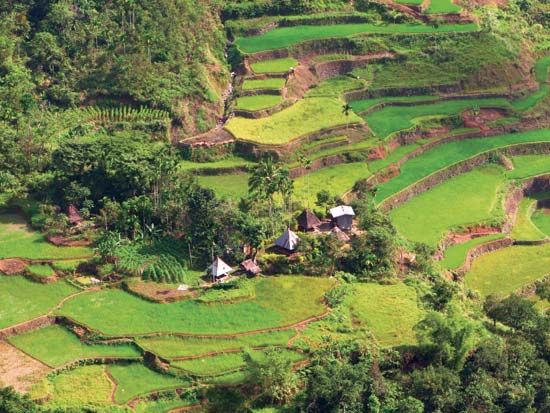
- Igorot: A collective term for various ethnic groups residing in the mountains of northern Luzon. They are known for their distinct cultures, such as terrace rice cultivation, and are divided into approximately 10 main ethnic units, including the Ifugao, Bontoc, and Kalinga.8
- Kapampangans: Located in south-central Luzon, they represent a distinct cultural-linguistic group with their own language.79
- Pangasinan: Occupying west-central Luzon, they are a significant cultural-linguistic group known for their rich agricultural traditions.12
- Bicol: Inhabiting the Bicol Peninsula in southern Luzon, they speak various dialects of the Bicol language.79
What role does Luzon play in the overall geography and politics of the Philippines?
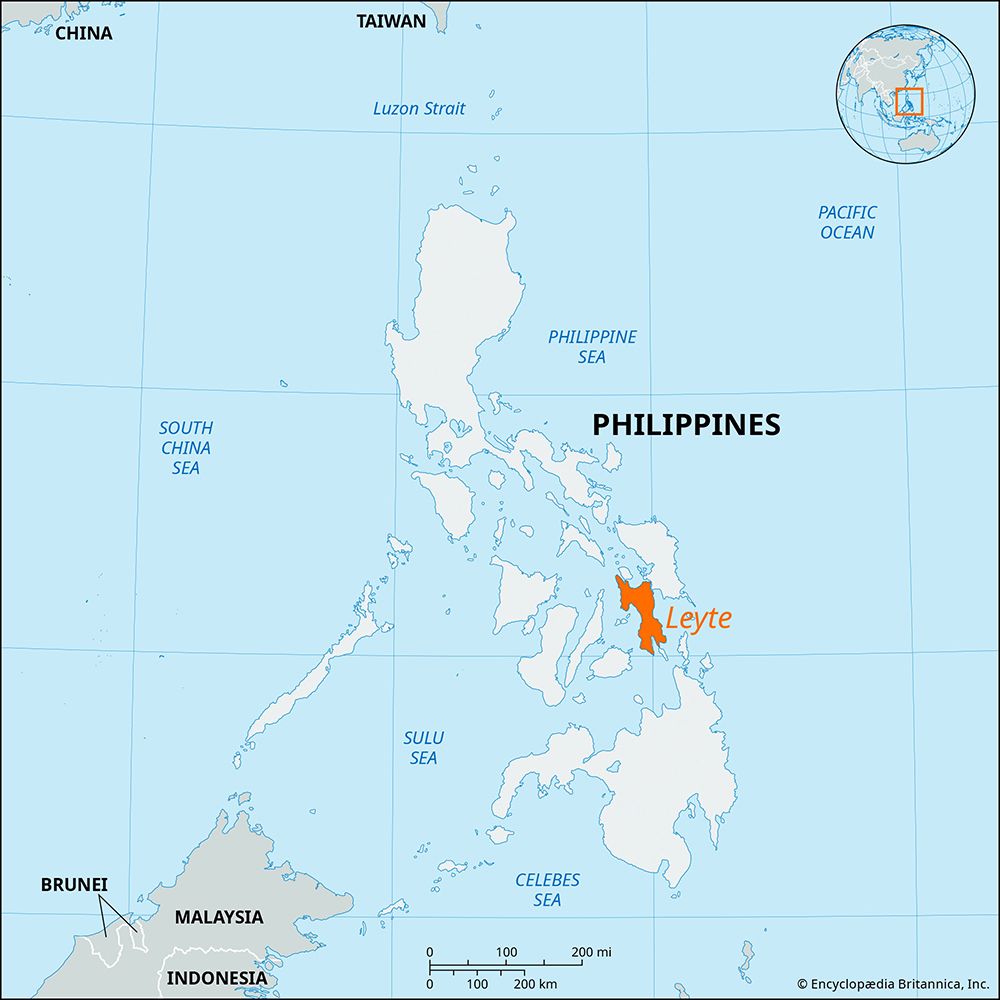
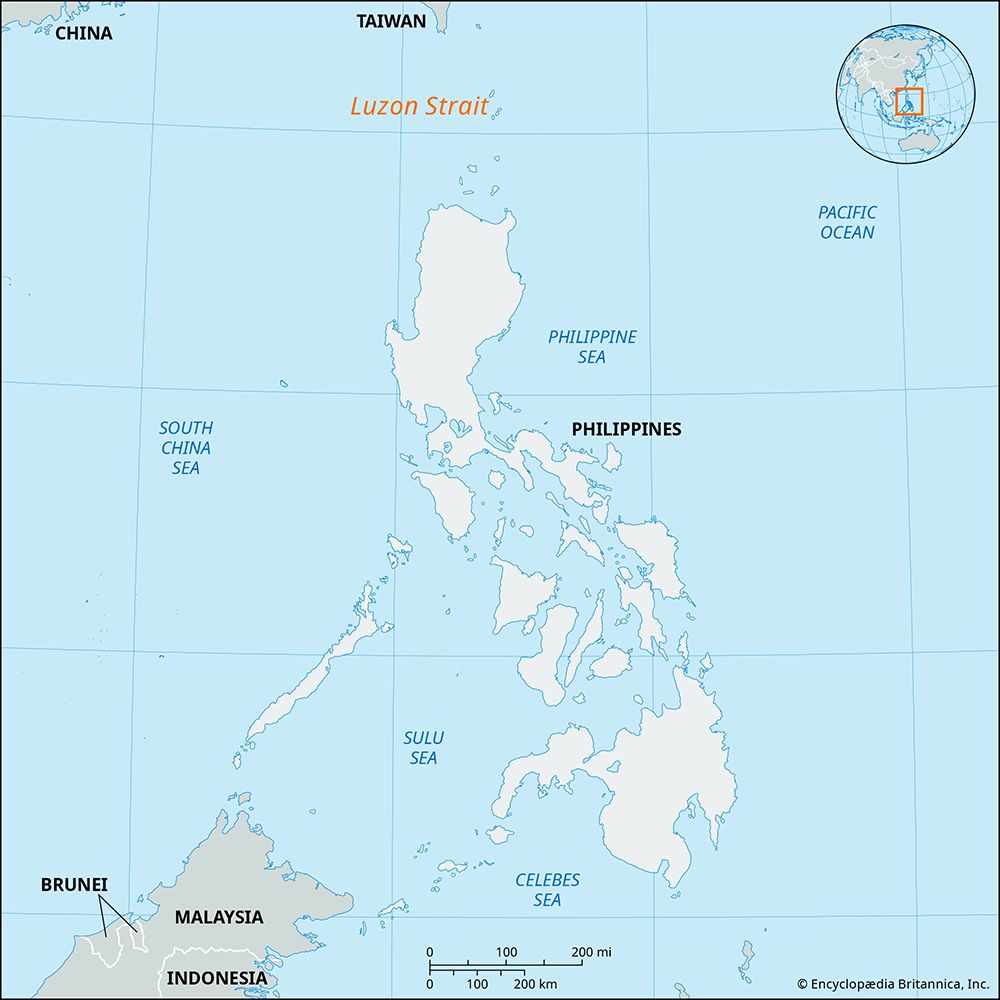
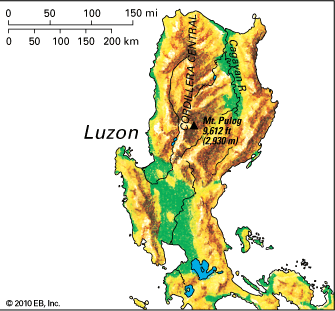
Luzon serves as the cornerstone of the Philippines, both geographically and politically. As the largest island in the archipelago, it encompasses approximately one-third of the nation’s land area and is home to more than half of the total Filipino population.1
Geographical Significance
Luzon is the site of the nation’s capital, Manila, and the highly populous Quezon City, which together form the National Capital Region. The island’s geography is defined by a north-south orientation featuring major mountain ranges like the Cordillera Central and the Sierra Madre, as well as extensive central plains that serve as the country’s primary grain-producing region. It is also a vital hub for industry and mineral resources, including gold, iron, and copper.11415
Political Role
Politically, Luzon has historically been the center of national governance and the stage for major movements. It was the primary theater for the Hukbalahap (Huk) Rebellion, which emerged from agrarian unrest in the central plains, and it served as the focal point for the People Power movement in 1986 that restored democratic government. Additionally, the island’s proximity to former U.S. military bases made it a central site for the complex, evolving Philippine-U.S. relations throughout the 20th century.1614
How does Luzon’s culture differ from other regions of the Philippines?
Luzon shares the fundamental cultural pillars of the Philippines, such as the centrality of the extended family and a blend of Asian heritage with Western influences. However, its culture is distinguished by its role as the nation’s political and industrial hub, which has fostered a unique synthesis of traditions.192021
While the Philippines as a whole maintains a degree of cultural homogeneity through shared religious and educational institutions, Luzon’s regional diversity is marked by:
- Linguistic Variety: Luzon hosts distinct groups like the Ilocano in the north, Kapampangan and Pangasinan in the central plains, and Tagalog speakers in the capital region.17
- Urban vs. Traditional Dynamics: As the site of Manila, Luzon is the primary center for modern urban culture, including the consumption of unique street foods like balut. Conversely, it preserves ancient traditions, such as the spectacular rice terraces cultivated by the Ifugao mountaineers.1021
- Regional Lore: Like other regions, Luzon maintains its own specific epics and storytelling traditions, such as the Ilocano Biag ni Lam-ang, which preserve local history and identity.20
Sources
- Luzon — Encyclopædia Britannica
- Baguio — Encyclopædia Britannica
- Manila - History of Manila — Encyclopædia Britannica
- Makati — Encyclopædia Britannica
- Quezon City — Encyclopædia Britannica
- Angeles — Encyclopædia Britannica
- Philippines - Languages — Encyclopædia Britannica
- Philippines - Ethnic groups — Encyclopædia Britannica
- Tagalog language — Encyclopædia Britannica
- Pangasinan — Encyclopædia Britannica
- Igorot — Encyclopædia Britannica
- Tagalog — Encyclopædia Britannica
- Ilocano — Encyclopædia Britannica
- Philippines - Resources and power — Encyclopædia Britannica
- Philippines - The early republic — Encyclopædia Britannica
- Philippines - Political process — Encyclopædia Britannica
- Philippines — Encyclopædia Britannica
- history of the Philippines - World War II — Encyclopædia Britannica
- Philippines - Cultural milieu — Encyclopædia Britannica
- Philippines - Daily life and social customs — Encyclopædia Britannica
- Philippines - Cultural life — Encyclopædia Britannica
Published on · 4 min read